







by: bumpbot
2 hrs
|
It is currently 05 Sep 2026, 18:30 |
|
|

Customized
for You
Track
Your Progress
Practice
Pays

09:30 AM EDT
-12:30 PM EST

01:00 PM EDT
-11:59 PM EDT

10:00 AM EDT
-11:59 PM EDT

12:01 AM PDT
-11:59 PM PDT
10:00 AM PDT
-11:00 AM PDT
07:00 AM PDT
-10:00 AM PDT
10:00 AM PDT
-11:00 AM PDT

07:00 PM EDT
-09:00 PM EST

08:00 PM EDT
-10:00 PM EDT

Difficulty:
 35%
(medium)
35%
(medium)
Question Stats:
69% (01:52) correct 31%
(02:00)
wrong
based on 282
sessions
31%
(02:00)
wrong
based on 282
sessions
History


 Updated on: 23 May 2020, 05:18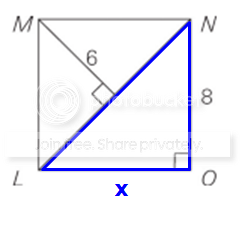
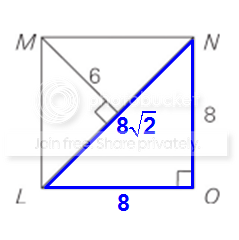
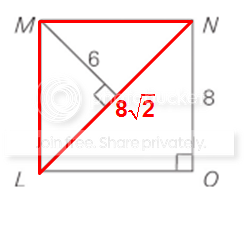


Success stories and strategies from high-scoring candidates.