Events & Promotions
| Last visit was: 22 Apr 2026, 05:38 |
It is currently 22 Apr 2026, 05:38 |
|
|
Customized
for You
Track
Your Progress
Practice
Pays
10:00 AM EDT
-10:30 AM EDT
12:00 PM PDT
-01:00 PM PDT
08:30 PM IST
-09:30 PM IST
| FROM LBS MiM Admissions Blog: Make Your Choices Work: The Journey from employment to a Graduate Masters Programme |
|
By Yvett Gong, MAM2025 So, you just graduated! You are excited, maybe a little nervous, and the world is your oyster... If you are anything like I was three years ago, you are probably wondering: Okay, now what? Or perhaps you’ve got a year or two of experience under your belt! You are feeling more confident, maybe a bit restless, and starting to ask bigger questions about the future and wondering: What’s next? No matter where you are in your journey, each stage presents its own crossroads and choices. It’s at these junctions that we craft our unique paths, in which when we look back, reveal themselves as pivotal moments. In this blog, I’ll take you through the three “junctions” I encountered over the past few years. From kickstarting a career in consulting to taking a leap back into a Masters in Analytics & Management (MAM) at LBS, my hope is to inspire reflection on your journey and provide some encouragement to embrace change, resilience, and growth. Moreover, if you’re considering an Early Career Master’s after some work experience, this might just be the nudge you need. Ready? Let’s dive in! Junction 1: Fresh Out of Uni – Now What? Figure out your short-term goal: the earliest opportunity to experience being a working professional in your “dream” job. Graduation was surreal, it felt like standing at the peak of possibility – but also like staring down a dizzying number of paths. My own journey began with the classic choice that many graduates face: should I continue learning or dive into the workforce? With a Bachelor of Commerce from the University of British Columbia in Canada, I was surrounded by friends jumping straight into masters programmes. Business Analytics was all the rage at the time, but I wasn’t sure if the technical route was for me. So, I decided to start my career in strategy consulting, something I had dreamed of for years (yes, I was one of those kids). The decision to step into a full-time role was a reality check. Full-time experience wasn’t a mere extension of internships; it was a whole new world of responsibility, self-discovery, and a true test of my interest in consulting. Looking back, it was a critical turning point that clarified my future decisions about further study. So, standing at this junction, take a moment to ask, “what do I really want to learn about myself short-term?” Option 1: Continue education with a Graduate Masters Programme straight away [*]Buying Extra Time: Explore career options if you haven’t made up your mind[/*] [*]Deepen Expertise: Gain advanced knowledge in the chosen academic field[/*] [*]Pivot Academic Background: Build cross-disciplinary skills and pivot from undergrad degree[/*] [/list] Option 2: Kickstart career in consulting or other fields [*]Real-World Exposure: Get firsthand full-time experience that differs from internships significantly[/*] [*]Testing Career Fit: Find out if the “dream job” is truly so dreamy[/*] [*]Skill Discovery: Identify your strengths and practical skill gaps for further investment[/*] [/list] Junction 2: Two Years In – Skills Gaps and Growth Knowing your own professional persona, assessing skill gap, and the first taste of your desired workplace culture and corporate value Fast-forward two years and I found my stride in consulting. I genuinely enjoyed the work, from delivering technology and data strategy projects that assess organisational technology landscape, data management practices to evaluating AI readiness and crafting AI strategy. The growth opportunity was invaluable. However, like many consultants, the inevitable ‘imposter syndrome” kicked in. I found myself facing a realization – with every AI strategy discussion and data project, I began to sense that something was missing – a deeper analytical foundation and more forward-looking insights of technology and data to help me advise my client more confidently. Those two years also brought another insight: the importance of team culture and dynamics. Working with a team of truly intelligent, collaborative, and supportive colleagues and mentors and having given the opportunities to lead meetings, manage client relationships, represent the firm in panel discussions at recruitment events showed me the kind of workplace culture I wanted to seek and advocate for. This realisation about people and values turned into a guiding factor in my career pursuit later on. Food for thought: Option 1: Continue growing in my current role [*]Career Growth: Invest in building a career with trusted team and colleagues within the company[/*] [*]Professional Relationships: Strengthen and build lasting relationships with a compatible team[/*] [*]Hands-on Learning: Continuously gain practical experience from hand-on projects[/*] [/list] Option 2: Pursue a full-time Graduate Masters Programme at LBS [*]Focused Learning: A dedicated to systematically acquire targeted skills of interest[/*] [*]Career Pivot Opportunity: Ideal timing to explore a new direction early in my career[/*] [*]Global Perspective: Transition to a new location (e.g., from Canada to London) and gain a global outlook beyond one organisation, region, or industry[/*] [/list] Having chosen option 2, I realized that my full-time experience set me apart in multiple ways: [*]Career-Driven Motivation Statement: Full-time experience provides a strong foundation for a well-positioned, purpose-driven reason to pursue a specific programme[/*] [*]Clear Career Plan and Objectives: Work experience shapes a thoughtful, actionable career path with both short- and long-term goals[/*] [*]Leverage Real-Life Project Experience: Showcase complex, hands-on project work that adds depth beyond typical school or internship examples.[/*] [*]Dynamic Classroom Contribution: Being able to bring real-world insights and professional dynamics to elevate classroom discussions.[/*] [/list] Junction 3: What’s Happening Now & Next – Lessons In and Beyond the Classroom How full-time experience allows me to get the most out of the programme, stay true to my goals and values, and empower exploration of other career opportunities. Being part of the LBS community and a Graduate Masters Programme after two years in consulting is as fruitful as it gets. The work experience has shaped how I approach learning: every lecture, concept, or tool now feels like something I can connect directly to real-life scenarios. With clear goals in mind, learning feels grounded, purposeful, and I was able to identify and focus on the practical content that I can bring back to future projects. Socially, my work experience has also added depth to how I interact within the LBS community. I can approach networking and connections with a bit more focus and confidence. There’s comfort in knowing how to present myself, whether at LBS events or when interacting with MBA students and mentors with skills I’d honed in the workplace. But let’s be honest – LBS is no walk in the park, nor is the MAM. Between a demanding schedule, the pressure of job hunting from day one, the overwhelming FOMO of events, and the challenge of finding your own place in a mega city like London, there’s a lot to balance. This is why I’m grateful for the resilience and problem-solving mindset I gained through work. Handling high-pressure situations with a structured way of thinking, staying grounded during crisis, and adapting quickly have been invaluable skills in navigating the academic and social demands. Returning to school with a clear purpose to pivot careers is common among those with work experience. For me, having enjoyed two years in strategy consulting, I always wondered what else is out there. Investing in a Graduate Masters Programme at LBS opens the door to other opportunities. With the two years of consulting experience under my belt, I’ve felt encouraged to explore new career paths, such as innovation consulting and product management, knowing that my consulting background and the transferrable skills I acquired remains a solid foundation I can always rely on. Food for thought: Option 1: Continue in Strategy Consulting [*]Competitive Edge: Leverage the more advanced technical knowledge and deeper understanding in data & analytics, as well as a holistic global perspective[/*] [*]Leverage Existing Experience: Accelerate growth in a familiar field[/*] [*]New Perspectives: Work in a different country and company to gain fresh insights[/*] [/list] Option 2: Explore New Career Areas [*]Diverse Experience: Gain exposure to various industries or functions early in the career, adding flexibility and potential to future career path[/*] [*]Skill Diversification: Develop a broader skillset beyond typical consulting skills[/*] [*]End-to-End Perspective: Experience end-to-end project from strategizing through execution[/*] [/list] Final Thoughts: There Are No Right Choices, We Make Our Choices Right You probably noticed that I’ve listed some pretty convincing reasonings for each decision at each of these junctions, it is apparent that the choices weren’t always obvious or easy. Whether it was stepping into a full-time role, going back to school, or exploring new career paths, every decision required both courage and conviction. The biggest lesson is that there is no single “right” choice – only the choices we made right by fully committing fully, learning from every step, and adapting along the way. So, if you’re standing at your own crossroads, remember that “sometimes you make the right decision, sometimes you make the decision right.” Embrace the choice wholeheartedly, stay resilient, and trust that each choice will shape you in ways that will become clear only in hindsight. Here’s to making our own paths – and making them right. |
| FROM LBS MiF Admissions Blog: Navigating uncertainty in the pursuit of growth: Reflections from my time on the MiF at LBS |
By Christian Leon, MiFFT2025![]() Studying the Masters in Finance (MiF) at London Business School has made me think about the future. Since the very first class in September, over the last eight months, my thoughts about my future have evolved. As Joan Manuel Serrat says in his evocative song “Caminante no hay camino”, (‘Traveller, there is no road’), we build our path as we walk it, through life, whether that path is personal or professional. These lyrics encapsulate what it has been like studying the programme. When I was flying from Peru to London, I believed my professional path was clearly defined, with little room for change. Let me confess... I was mistaken. The courses, especially the electives, have opened my mind to new people and areas of finance that had never truly piqued my interest before. After engaging lectures, world-class guest speakers, and conversations with classmates who bring deep expertise from all corners of the globe, I felt inspired to explore new fields that were unfamiliar to me and to reorientate my goals accordingly. Adding to this academic and professional transformation has been the cultural richness that surrounds life at LBS. London’s energy and historical depth (emphasis on the music history of London), blended with the vibrant diversity of the student body, have made this journey even more rewarding. From learning basic phrases in Japanese or Hindi to cooking traditional meals with friends from across the world, these simple yet meaningful experiences have enriched my perspective in ways I couldn’t have imagined. They’ve reminded me that personal growth often happens in between the lectures, in shared laughs, new customs, and moments of cultural exchange. This journey has, at times, been disorientating, but immensely fulfilling. Whether it’s sharing a Guinness near Regent’s Park with good friends or exploring new corners of England over the weekends, the experience has been as joyful as it has been transformative. What once felt like a very puzzling Rubik’s cube has slowly begun to take shape. And while I can’t say for certain that I’ll leave the programme with all the colours perfectly aligned, I’ve come to appreciate the process just as much as the outcome. For that, I’m profoundly grateful to LBS, to the people I’ve met, and to the new paths that now lie ahead, waiting to be walked. |

| FROM LBS MiM Admissions Blog: A Global Experience week in Vietnam: Exploring entrepreneurship in an emerging market with LBS |
|
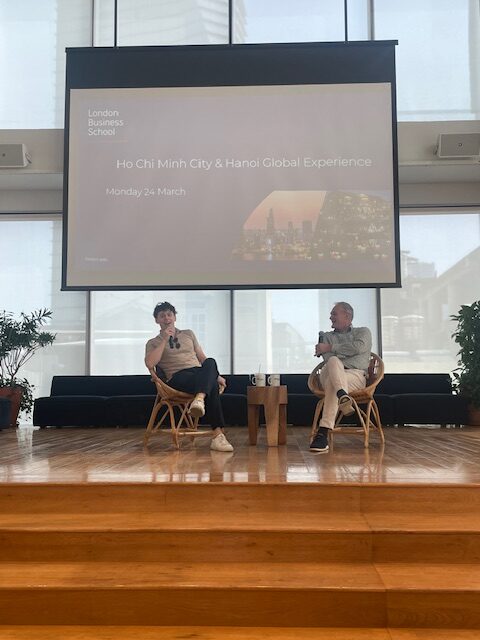
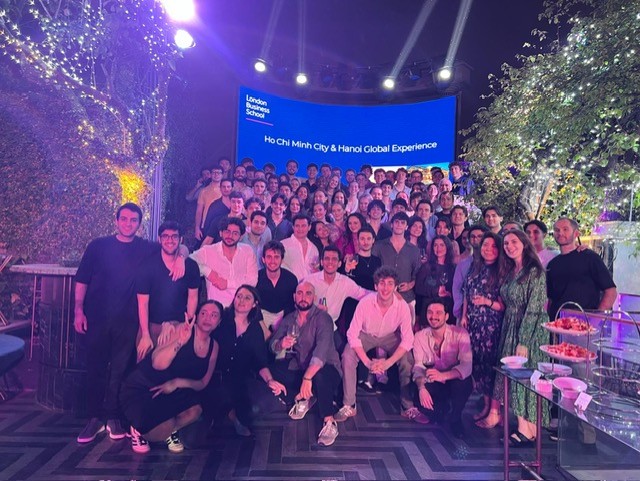
By Cesar Savino, MiM2025 When applying to London Business School’s MiM programme, I spoke with alumni to better understand what the LBS experience was. During my conversations, one thing stood out: the Global Experience (GE), which was always described as a transformative and impactful learning opportunity. I couldn’t wait to experience it for myself and when I finally did, it became a true milestone, if not the highlight of my own MiM journey. What is the GE? The GE is an immersive international programme available to all graduate students. It allows each student to explore a faculty designed theme in an international setting. providing the chance to meet and visit great leaders, entrepreneurs, CEOs, startups, banks and many more. It is a great opportunity to see how what you have learned in class is applied in a real-world context and to better understand specific industry landscapes. The Vietnam GE: Exploring entrepreneurship in an emerging market Among a long list of GEs offered across all continents, Vietnam stood out to me as a great choice! This GE was focused on how the Vietnamese economy is becoming more and more favourable for entrepreneurship and how founders operate in this ever-changing landscape. This was very interesting to me as, like many students, I want to pursue an entrepreneurial journey after my consulting career. I had never explored this part of Asia, and it reshaped my perspective on what it takes to build a business as well as the opportunity to do it so far away from Europe. From Hanoi to Ho Chi Minh: A Cultural Journey Through Entrepreneurship and Innovation ![]() Our week began in Ho Chi Minh City. Located in the very south of the country, the city was a testimony to Vietnam’s development over the past years with skyscrapers and new infrastructure everywhere, whilst it kept a traditional atmosphere in smaller streets with smaller local markets and restaurants. Our first event was a Founder’s Panel, where entrepreneurs such as Stephen Turban, Harvard and McKinsey Alumni, explained how and why they chose to settle in Vietnam to conduct their entrepreneurial ventures. What was immersive about this experience is that everyone could very much relate to the successful people who were in front of us as the LBS community is full of ambitious students. One of the entrepreneurs explained to us how traditional “boring” businesses are actually full of opportunity in emerging markets as she was running an online mattress business and was called the “Queen of sleep” by her peers, which gave me a new lens through which to approach entrepreneurship Moreover, we were invited by the British consulate in Vietnam for networking drinks. This was a great occasion to connect with important players of this emerging market and understand better what the country’s dynamics are, as well as to talk about LBS with prospective Vietnamese students. Our journey did not stop there as we then travelled to Hanoi. There, we were able to visit the offices of Techcombank, a leading Bank in the country, as well as attending a talk from the CEO Jens Lottner, who gave us a detailed overview of what the banking landscape in Vietnam is and how digitalized it is becoming. We also got lunch at the American Chamber of Commerce with a panel of American stakeholders in Vietnam, which was particularly insightful in understanding how US-Vietnam relations have evolved since the war. Overall, the Vietnam GE was an enriching experience for me. It combined cultural exploration with both entrepreneurial and corporate business insights. It opened my eyes to the potential of emerging markets and gave me a fresh perspective on what it means to build a business in a global context. Beyond Business: The People, Places, and Shared Memories Outside the classrooms and talks, what truly shapes the Global Experience is the people you meet along the way. The GE is a unique opportunity to create meaningful connections that often turn into lifelong friendships. Everyone is given free time to explore the country, embrace the local culture, and share those moments with fellow students. Doing this alongside your peers adds a whole new layer to the experience—one that goes beyond business insights. Whether it’s navigating bustling markets, enjoying street food, or simply reflecting on the day’s visits over dinner, these shared memories are what make the GE truly unforgettable. Without a doubt, you’ll leave with friends from across all LBS programmes and memories that will stay with you long after the trip ends. ![]() |
| FROM LBS MiM Admissions Blog: End of Year Reflections: My Journey as a Women in Business scholar |
|
By Cecilia Sacklen, MiM2025 When I was awarded the Women in Business (WiB) Scholarship at LBS, it did more than just help me attend one of the world’s leading business schools – it gave me access to a community, a platform, and a powerful sense of purpose. As a MiM student, I’ve had the privilege of learning in an environment that blends academic excellence with real-world application. One of the standout features of the programme for me has been its practical nature. From live case studies and group simulations to hands-on projects, I constantly found myself applying concepts to real business challenges. This approach not only solidified my understanding but also helped shape my confidence in navigating complex, fast-paced professional environments. Beyond the classroom, it’s the people I met who made my LBS journey truly special. My cohort was full of driven, supportive, and inspiring individuals from all over the world – each with a unique story and background. Through projects, events, and late-night brainstorms, many of them became close friends and mentors. Being a Women in Business Scholar also encouraged me to join the WiB Club, where I had the chance to contribute to events and discussions around female leadership and equity in the workplace. It was empowering to be part of a network of women who are actively reshaping the narrative in business – and cheering each other on while doing it. Another unexpected highlight was being part of the LBS Scholars Network. This community introduced me to students outside of the MiMclass, across MBA, MFA, and other programmes. These interactions not only broadened my perspectives, but also sparked friendships that might not have happened within my immediate programme. There’s something powerful about connecting with others through a shared sense of gratitude and ambition. This summer, I’m interning in private equity, a path that feels like a natural next step. Before coming to LBS, I had experiences in both consulting and investment banking, and I found private equity to be the ideal combination of strategic thinking and financial rigor. It’s exciting, challenging, and deeply aligned with the skillset I’ve developed during my time at LBS. As I look ahead, I feel incredibly grateful – not just for the education I received, but for the doors that were opened, the people I met, and the growth I experienced. My time at LBS has been transformative, and I’m proud to carry these lessons, relationships, and values with me into the next chapter. |
| FROM LBS MiM Admissions Blog: End of Year Reflections: My Journey as a LATAM scholar |
|
By Camila Garate La Torre, MiM2025 6,335 miles (10,177 km), over 20 hours of travel, at least 3 planes, 3 internships, 1 part-time job, 2 years of full-time work, several scholarships during undergrad, and many, many extracurricular... that’s what it took to bring me to LBS. Hola, I’m Camila, but everyone calls me Cami. I’m from a small town in the south of Peru (like Paddington), and it’s truly been an honour to be this year’s LATAM Scholar. Mucho gusto! When I applied to LBS, I had one main goal: to find a job in London. After working in investments with a focus on the US and South American financial markets, I knew I wanted to explore European ones. LBS’s employment report was outstanding, graduates were landing roles at the world’s top 20 asset managers. I wanted to be part of that. LBS did not disappoint. After two months of weekly meetings with the Career Centre, 76 coffee chats with alumni, MBAs, and MiFs from my target companies, and sending countless CVs, I finally received that call: “We want to make you an offer.” It was from PIMCO, one of the world’s leading fixed income asset managers. Easily one of the best moments of my life. But LBS gave me much more than just a job. I was selected as a Walpole Scholar, which allowed me to be mentored by Frank Arnold, the CEO of The Savoy, and to attend exclusive events with top leaders in the UK’s luxury industry. I represented LBS at the Clash of Titans in Paris (an LVMH case competition), competed at the Selling Competition in Athens, and won a gold medal in the 4×400 relay at the MBATs at HEC Paris, where LBS brought home two trophies. I learned about Asian financial markets during my Global Experience in Hong Kong and skied for the first time ever on the snow trek in Val Thorens. Most importantly, LBS introduced me to incredible people from all over the world, giving me the chance to learn about different cultures and build lifelong friendships. I learned Indian dances for the Diwali Ball, took salsa classes with the Dance Club, played football with my stream in the Battle of the Streams, and served as a bartender every two weeks at Sundowners and as Student Association ExCo. For my 25th birthday, I made friends from 4 different countries try tacos, tequila, and dance to Latin music (and yes, as Shakira says, they moved like they come from Colombia!). I am beyond grateful for everything LBS has given me and taught me, the friendships, the experiences, the memories, and even someone special along the way. The journey wasn’t easy, but it was absolutely worth it. If I could go back and tell Cami from a year ago, the girl who raised her hand to read a poem in front of +800 people at the welcoming event, everything we would live, overcome, and achieve, she simply wouldn’t believe it. Many LBS students say it, and now I can truly confirm it myself: This has been, without a doubt, the best year of my life! |
| FROM LBS MiM Admissions Blog: From Sun to Submit: Using the Summer to Boost Your Graduate Masters Application |
By Elizabeth Taiwo (Student Recruitment Manager)![]() Summer isn’t just for holidays and sunshine – it’s also the perfect time to get a strategic head start on your business school application. This period offers a valuable window to reflect, research, and prepare. Whether you’re aiming to start your Graduate Masters next year or just exploring your options, investing time now can make your application stronger, less stressful, and more authentic. From refining your goals to polishing your CV, here’s how to make the most of your summer and set yourself up for success. Consider your ‘why?’ You should aim to anchor the application to your core goal(s). Think about the experience you want during the programme, as well as the ideal short-term impact. These will be shaped by the academic, social and career-focused activities you’ll participate in, so it’s important to do your research and connect them to your career goal. If you have a long-term career plan, also reflect on how the programme will support this. Refine your profile The admissions process is competitive, the job market even more so. Career development is at the heart of everything on offer at LBS and the Graduate Masters Programmes are designed to build a strong foundation. We’re not looking for ten years of coding experience for an entry level role... but we do like to see some business exposure. Our students typically join with at least one or two internships under their belt, showcasing their ability to contribute to class discussions and benefit from the programme. If you could benefit from gaining more experience, now is the time to start thinking about internships for next summer. Summer internships are a great way to explore potential career paths. Ideally, your admissions profile will show alignment between your existing experience and your post-masters goal. With this in mind, you should be strategic with your internship applications – be focused, not limited. If you aren’t able to test your chosen sector, use this summer to think about how the experience you have gained informed this interest and how it will support the transition. Research I mentioned earlier that the journey to your career goal will be shaped by your academic, social and career-focused activities, so naturally, you need to research them. Research to understand, not for a quick shoutout in the essays – the latter will be quite... evident. Discover the clubs on campus and the range of activities held throughout the year (the clubs’ social media accounts are perfect for this). Explore the Career Centre’s coaching, networking events and company presentations. Learn about the courses and electives as well as the amazing faculty teaching them – from their books to publications, there are endless resources for you to sample. The connection to LBS doesn’t stop at graduation, so you’ll want to have an idea of the long-term impact it will have on your life, and that you will have on the community. You can dive into all of this through the blog and social media. To hear from staff supporting the admissions and student experience, current students and alumni, join our events throughout year. If you can, I recommend going along to an in-person event to get a sense of the atmosphere on campus. We’d love to see you at our next Open Day in September – a faculty masterclass and insights from the Career Centre, Programme and Recruitment & Admissions Teams will certainly help your application journey! Reading list: Exceptional: Build Your Personal Highlight Reel and Unlock Your Potential | Dan Cable (Organisational Behaviour) May Contain Lies: How Stories, Statistics and Studies Exploit Our Biases | Alex Edmans (Finance) Entrepreneurial Finance: The Art and Science of Growing Ventures | Luisa Alemany (Strategy and Entrepreneurship) 100-year Life: Living and working in an age of longevity | Lynda Gratton (Organisational Behaviour) & Andrew Scott (Economics) The Ends Game: How smart companies stop selling products and start delivering value | Oded Koenigsberg (Marketing) |
| FROM LBS MiF Admissions Blog: How to Make Your MiF Application Stand Out |
|
by Masters in Finance Recruitment & Admissions Team Applications for our Masters in Finance Full-time and Part-time programmes at London Business School are competitive. A strong, well-researched application can set you apart. Here’s our advice on how to make your MiF application stand out: 1-Page CV Your CV is the front page of your application. Keep it professional, polished and precise. Focus on your achievements, but make sure they are relevant. Use the LBS CV template and guidance notes on our How to Apply pages to ensure it meets our expectations. Avoid gaps, exaggerations, jargon, or underselling your experience and achievements. Research Demonstrate your interest by researching the Masters in Finance and London Business School in depth. Read our Brochure and Employment Report to learn about the School’s faculty, core courses, electives, and explain how these will help you achieve your career goals. Tailor your writing to reflect this alignment. It is important you describe how the programme fits into your personal and professional journey. Have Clear Career Goals Clarity is key! Whether you’re aiming for investment banking, asset management, or private equity markets, to advance into a senior role or switch from the sell-side to the buy-side, articulate your career aspirations with precision. Explain why the MiF is the right bridge between where you are now in your career and where you would like to go. Find the balance between ambitious but realistic goals – do your research on the area of the finance industry you aspire to, and understand what the trends in the market are right now. Stay Flexible and Open to Opportunities While it’s important to have defined goals, demonstrate that you are open to exploring new opportunities. We look for candidates who are flexible, can embrace growth and adapt to a competitive and dynamic finance job market. Engage with our LBS Community Contact our Student Ambassadors, alumni, and the MiF Recruitment & Admissions Team. Attend our events, information sessions, and webinars. We’re frequently on the road – check our Events page to find out when we will be in your city and come join us for a coffee. Referencing your engagement in your application shows initiative, ambition and your commitment to LBS. Some application questions will ask you to name individuals you’ve met or events you’ve attended. Highlight the Value You Bring What makes you unique? We want to know how you will contribute to our community. What perspective, experience, or skill will you contribute to your study group, class discussion and our alumni network? We look for candidates who will not only gain from the programme but also help enrich a diverse and tight-knit community for the class and the School as a whole. Whether that will be within the clubs you’re interested in joining, as a Student Ambassador, academic or career representative, or even as you develop your leadership and mentoring skills. The best advice we can share is to prepare thoroughly, be honest and consistent. Give it your best shot! We want to get to know you in detail, and more than just your GMAT/GRE score (whilst your scores are important too). We want to know what makes you special and how you will fit in our MiF community! |
| FROM LBS MiM Admissions Blog: The Career Centre guide to success |
|
Studying at London Business School is far more than the academics. LBS prepares you for the next steps of your career. If you are an incoming student, an applicant or have just started looking at London Business School, you should know that our Career Centre will guide and support you throughout your time with us, preparing you for what is next. Planning for post-programme life might seem far in the future but it is never too early to start thinking about your plans and goals. The Career Centre at LBS starts working with students before they even step foot on campus, offering a one-to-one coaching session, CV reviews and sector briefings from July onwards. Using the summer to prepare ensures readiness for the recruiting cycle, which may begin as early as August, depending on sector(s) of interest. To help you on your journey, I sat down with one of our Graduate Masters Career Coaches, Sarah Wissing, to ask the common questions we receive, and the information they want you to know. Does the Career Centre place me in an internship/full-time role at the end of my programme? [*]No, we don’t place students. We provide students with the tools and skills to ensure they can find their own opportunities post-LBS and beyond, which is more valuable than simply being placed. This is done through workshops, tailored coaching and networking opportunities. We also have an extensive jobs board and have many employers come on campus to speak with our students. [/*] [/list] Can the career centre help me with interview prep? [*]Yes! We have Interview and Assessment Centre workshops throughout the year as well as the opportunity to book one-to-one interview practice at any time with a coach. [/*] [/list] What are the skills most students need help with? [*]As Career Coaches, we see lots of different students. Peer Pressure and the fear of missing out seems to be a big concern for students, we therefore encourage you to follow your own path. We note that students who have greater self-awareness and are able to articulate genuine motivation for the role they are applying for are more successful. Therefore, we encourage students to really think about what they want from their careers, what their values are and ensure they align with the roles and companies they are applying for. [/*] [/list] Which services or opportunities do you wish students took better advantage of? [*]We would love for you to take advantage of the coaching. You do not need to be ‘prepared.’ Just come as you are, that is a great place to start. We are here to support you; you do not have to do this on your own. [/*] [/list] Does the career centre have exclusive contacts with recruiters and companies? [*]No. However, through our career learning curriculum, students will be equipped to put themselves forward to roles in a competitive market. We also do have strong relationships with recruiters, allowing us to hold numerous networking opportunities so that students can get to know different employers. [/*] [/list] What is the best time to get in touch with the Career Centre? [*]As soon as you start! We have our summer series to support you in creating your CV. But we are here for you throughout the year and coaching is unlimited. [/*] [/list] What is the one piece of advice you have for the incoming students? [*]Do not compare yourself to others. You are unique and we are here to help you. We often have conversations with students who feel they are not where they want to be, and this is normal. The job search can be hard but the challenges you face now will make you more resilient! [/*] [/list] If you are still curious about the Career Centre and our Graduate Masters Programmes, please get in touch with the Recruitment Team today! |
| FROM LBS MiM Admissions Blog: Why I Chose LBS: Masters in Management |
|
By Ceyda Serhat, MiM2026 Why I chose LBS and How I Got In I chose London Business School for a few big reasons. First, LBS is exceptional for networking and relationship building. The Alumni community is active and global, and that mattered to me as much as rankings. Second, it’s one of the top business schools in the world, and the quality shows in the faculty, the curriculum, and the people you meet from day one. Finding the Right Programme I took a deep dive to figure out which programme and school fit me best. I looked at the faculty and their research interests, course lists and electives, clubs and events I could actually see myself joining, research options and how they connect to real business problems, and the overall community and culture. LBS made this easy for me. The website was clear, up to date, and transparent. I could find almost everything I needed without digging. Conversations That Sealed It To go beyond the website, I spoke with the recruitment manager and several Student Ambassadors. They were generous with their time and honest about what to expect. Their energy and pride in LBS stood out. After those conversations, I told myself: this is where I want to be. I also attended several online events. They gave me a broader view of the school and helped me meet impressive people across programmes and industries. What Helped Me Secure My Place A few things made a difference for my application. I demonstrated clear motivation by explaining why LBS specifically fit my goals, particularly in terms of networking, its global community, and the alignment of its courses with my ambitions. I highlighted my international background and showed how my experiences would contribute to the classroom. I shared my academic story by connecting my past work and studies to what I hope to achieve next. I also showed real engagement by referencing specific faculty members, courses, clubs, and events that I planned to join. Finally, I mentioned insights from staff, Student Ambassadors, and events to show that I had taken the time to truly understand the culture of LBS. Tips for Applicants Start with your career goals, then map them to specific LBS resources such as courses, clubs, and centres. Talk to Student Ambassadors and ask targeted questions you can’t answer from the website. Attend an event and take notes. You can also use them in your essays and interviews. Be concise and honest, and focus on the one or two strengths that make you a great fit. Why I Accepted the Offer I accepted LBS because I knew it was the best place to build connections, learn how to use those connections to create value, and push myself to be my best self. The people I met (students and staff) made it clear that LBS isn’t just a degree; it’s a community I want to be part of. |
| FROM LBS MiM Admissions Blog: Why I chose LBS: Masters in Financial Analysis |
ByRavan Namazov, MFA2026![]() A Clear Direction Coming from a bachelor’s degree in finance and having passed CFA Level I, I was confident that my next step would continue in the same direction. I wanted a master’s programme that could strengthen my technical foundation, challenge me with real-world applications, and surround me with ambitious, globally minded peers. London Business School offered all of that and more. Why LBS Stood Out When I began researching universities, I explored global rankings where LBS consistently appeared among the top schools for finance. Curious to learn more, I booked an online consultation with one of the Recruitment Team members. (To book a consultation, you can submit your CV here. ) We had an engaging discussion about my background, programme fit, and how to prepare a strong application. That conversation already gave me a sense of the school’s supportive and approachable culture. What impressed me most was how the Masters in Financial Analysis balances theory with practicality. Coming from a finance background, I appreciated that I could apply my existing skills to real business cases instead of focusing only on theoretical concepts. The London Advantage London itself played a major part in my decision. As a global financial hub and one of the most diverse cities in the world, it offers endless opportunities to grow both professionally and personally. Beyond academics, I wanted to live in a city full of culture, innovation, and people who constantly inspire new perspectives. Learning from the Community Before applying, I spoke with several student ambassadors and an alumnus from Azerbaijan who generously shared their experiences and advice. While working in Baku, I could not attend live sessions, but I watched the recorded webinars available on the LBS website. Hearing directly from students and alumni gave me a genuine insight into what life at LBS is like and reassured me that this was the right choice. The Application Experience Applying in Round 4 was challenging, but I enjoyed every step. My interview felt more like a meaningful conversation with an alumnus who wanted to understand my goals and interests. When I received my offer in June, I immediately knew that LBS was where I wanted to be. The diversity, close ties with financial institutions, and collaborative community made the decision effortless. A Message for Future Applicants My journey at LBS has already been incredible, and it feels like I am part of something larger than myself. For future applicants, I encourage you to research deeply, speak to ambassadors and alumni, attend webinars, and truly reflect on how LBS fits into your story. The clearer your vision, the stronger your application will be. |
| FROM LBS MiM Admissions Blog: Why I Chose LBS: Masters in Financial Analysis |
ByRavan Namazov, MFA2026![]() A Clear Direction Coming from a bachelor’s degree in finance and having passed CFA Level I, I was confident that my next step would continue in the same direction. I wanted a master’s programme that could strengthen my technical foundation, challenge me with real-world applications, and surround me with ambitious, globally minded peers. London Business School offered all of that and more. Why LBS Stood Out When I began researching universities, I explored global rankings where LBS consistently appeared among the top schools for finance. Curious to learn more, I booked an online consultation with one of the Recruitment Team members. (To book a consultation, you can submit your CV here. ) We had an engaging discussion about my background, programme fit, and how to prepare a strong application. That conversation already gave me a sense of the school’s supportive and approachable culture. What impressed me most was how the Masters in Financial Analysis balances theory with practicality. Coming from a finance background, I appreciated that I could apply my existing skills to real business cases instead of focusing only on theoretical concepts. The London Advantage London itself played a major part in my decision. As a global financial hub and one of the most diverse cities in the world, it offers endless opportunities to grow both professionally and personally. Beyond academics, I wanted to live in a city full of culture, innovation, and people who constantly inspire new perspectives. Learning from the Community Before applying, I spoke with several student ambassadors and an alumnus from Azerbaijan who generously shared their experiences and advice. While working in Baku, I could not attend live sessions, but I watched the recorded webinars available on the LBS website. Hearing directly from students and alumni gave me a genuine insight into what life at LBS is like and reassured me that this was the right choice. The Application Experience Applying in Round 4 was challenging, but I enjoyed every step. My interview felt more like a meaningful conversation with an alumnus who wanted to understand my goals and interests. When I received my offer in June, I immediately knew that LBS was where I wanted to be. The diversity, close ties with financial institutions, and collaborative community made the decision effortless. A Message for Future Applicants My journey at LBS has already been incredible, and it feels like I am part of something larger than myself. For future applicants, I encourage you to research deeply, speak to ambassadors and alumni, attend webinars, and truly reflect on how LBS fits into your story. The clearer your vision, the stronger your application will be. |
| FROM LBS MiF Admissions Blog: Exploring the Masters in Finance: Insights from the MiF Programme Team |
|
Want to get to know the Master’s in Finance programme a bit better? We sat down with our Master’s in Finance Programme Team to explore what prospective students can expect as part of their MiF experience. From industry and alumni engagement to opportunities to tailor learning both inside and outside the classroom, the programme offers a highly flexible and practice-driven approach. With its distinctive fourth term, adaptable study options for part-time students, and a strong focus on developing practical, career-ready skills, the MiF equips graduates with the knowledge, experience, and professional exposure needed to thrive in global finance careers. What opportunities do students have to interact with industry professionals and alumni during their studies? Engagement with alumni and industry professionals begins even before students join the MiF programme. During the admissions process, prospective students have opportunities to connect with alumni, and this engagement continues from the very start of the programme. Alumni not only interview for us as part of the admissions process, buy they also play an active role in Orientation, supporting students as they begin their LBS journey and helping them integrate into the School community. Throughout the programme, alumni (many of whom are senior industry professionals) are regularly involved in both academic and careers-focused events. These interactions take place in a variety of settings, from informal networking opportunities such as the annual BBQ to more structured insight sessions where professionals share guidance, sector-specific knowledge, and career advice. Industry engagement is also embedded within the learning experience. Practitioner-led courses, within electives, and guest lectures provide frequent opportunities for students to learn directly from MiF alumni and other professionals, drawing on their real-world and personal experiences. Faculty members, many of whom have strong industry backgrounds themselves, regularly invite leading figures into the classroom. Recent speakers have included the Head of M&A at HSBC, the CFO of Deutsche Bank, and the UK Head of Citi, among others. Together, these touchpoints ensure that MiF students benefit from sustained, meaningful exposure to industry perspectives and a strong, engaged alumni network throughout their studies. Are there specific areas of finance (e.g. investment management, corporate finance, private equity, or fintech), the programme particularly emphasises? How can our students personalise their learning outside of the classroom? The MiF programme provides a strong and comprehensive foundation in finance through core courses, Financial Accounting and Analysis, Investments, and Corporate Finance. These core subjects equip students with essential knowledge across key areas of finance, forming the backbone of the degree. Building on this foundation, students can tailor their studies through an extensive elective portfolio of up to 60 electives. This flexibility allows students to deepen their expertise in specific areas aligned with their career goals, including investment management, corporate finance, private markets, risk management, derivatives, and fintech-related topics. Students may also choose to pursue a formal concentration, which enables them to demonstrate focused expertise in a particular discipline. Current concentrations include Private Markets, Investment Management & Analysis, Risk Management & Derivatives, Corporate Finance, and CFO. These concentrations are regularly reviewed to ensure they remain aligned with the evolving demands of the global finance profession. Personalisation extends well beyond the classroom. Through a wide range of student-led clubs and associations, such as the Private Equity & Venture Capital Club and the Investment Management Club, students can further engage with their areas of interest in a collaborative and informal setting. These clubs provide opportunities to build practical skills, share industry insights, and connect with peers and professionals. By combining academic choice with experiential and extracurricular opportunities, the MiF programme encourages students to explore new sectors, challenge their perspectives, and develop into versatile, well-rounded finance professionals. What opportunities are available in the fourth term (full-time format only)? The fourth term offers additional flexibility to further tailor your experience. Students can enrol in extra electives, participate in programme-led activities, and engage with careers events designed to support professional development. There is also the opportunity to undertake a full-term exchange at one of our partner schools, allowing students to broaden their international perspective. Continuing for the fourth term provides valuable space to explore career opportunities, gain global experience, and fully benefit from the resources and events offered by LBS. This distinctive structure empowers students to progress in a way that best supports their individual goals. Do I have to be on campus to study the MiF Part-time programme? Whilst the MiF Part-time programme offers a degree of flexible study in terms of what electives you can choose in the second year, our classes are delivered in person on our London campus. On-campus study plays a key role in the MiF experience for both our Part-time and Full-time students, providing valuable opportunities for networking, collaboration, and in-depth learning. Classroom participation enables interaction with students across all programmes at the school, allowing you to exchange insights, perspectives, and professional experiences. What skills do our students develop that are needed for the professional world? How does the programme integrate real-world finance challenges into the classroom learning? The MiF programme is designed to develop both technical expertise and essential professional skills that are directly applicable in the workplace. From the outset, students begin a structured professional development journey through the Personal Assessment and Development (PAD) course. PAD encourages students to reflect on their individual development priorities, leadership ambitions, and career goals, providing a strong foundation for continuous growth throughout the programme. Insights from PAD guide students in selecting relevant professional and technical skills courses, ensuring their learning aligns with both personal objectives and market needs. The portfolio is made up of sessions such as Power Presenting: Advanced Presentation Skills or Driving Decisions: Influence with Confidence and Clarity or Advanced Financial Statement Modelling. This development portfolio is reviewed annually, allowing the programme to adapt and provide targeted support that reflects the evolving demands of today’s business and financial environments. Real-world application is embedded across the curriculum. Many electives, such as Negotiation and Bargaining, are highly practical and use current, real-world cases to help students apply professional skills in realistic scenarios. In addition, programme-led initiatives such as the Crack a Case sessions strengthen analytical and problem-solving capabilities by giving students hands-on practice in structuring, analysing, and presenting case solutions. Electives are designed and delivered by faculty who are actively engaged in research and industry-relevant case development. This ensures classroom discussions are grounded in current market trends and challenges, offering students exposure to up-to-date perspectives across global sectors. Beyond the classroom, students benefit from extensive support from the Careers Centre, which offers a wide range of online modules and workshops. These include coaching and relationship-building skills, giving and receiving feedback, interview preparation, practical “How To” sessions, and guidance on leveraging AI for networking and career advancement. Through a combination of core courses, applied electives, real-world cases, industry-informed teaching, and dedicated career support, the MiF programme equips students with the skills, confidence, and practical experience needed to transition successfully into professional roles after graduation. |
| FROM LBS MiM Admissions Blog: Study Groups: Masters in Financial Analysis |
|
By Carlos Montes, MFA2026 When I first heard that I’d be doing a lot of group projects at LBS, I was worried it would be a nightmare — especially about the possibility of having free riders on my team. In reality, most students at LBS contribute fairly, and the academic team is always attentive to making sure it stays that way. What is a study group? Each term, every LBS student is assigned to a study group: a team of 6-7 classmates (depending on the programme) with whom you complete most of your group projects. What makes these groups special is how intentionally diverse they are. LBS builds teams that bring together different nationalities, genders, academic backgrounds and professional experiences. This ensures that every student is exposed to a variety of working styles and cultural perspectives. In my case, this past term, our group had six students — three women and three men from Germany, China, Montenegro, Poland, India, and Mexico. It’s hard to find a more global classroom than that. What kinds of projects do study groups work on? It depends on the programme, but in the Masters in Financial Analysis (MFA), the projects closely mirror the type of work you’ll do early in your career, especially in Investment Banking or Asset Management, the two most common paths. Some examples of the projects my study group completed in Term 1 were: [*]A trade idea: equity research, a full financial model, and a buy/sell pitch for a public company.[/*] [*]Portfolio optimization: building a mean–variance allocation for a diversified set of securities.[/*] [*]M&A analysis: evaluating a competitive acquisition battle for a company.[/*] [*]Risk simulation: a risk-based model to assess whether a new product should be launched given uncertain cash flows.[/*] [/list] These projects are hands-on and practical. They teach you how to actually do the work, rather than simply memorize the underlying theory. Why do study groups matter? [*]Learning how to work in a global environment[/*] [/list] London is one of the world’s most international financial centers. As an analyst, you’ll constantly collaborate with people from different cultures, time zones, and professional norms. Study groups give you a safe space to learn how different cultures approach problems, how disagreements are expressed and resolved, and how to leverage diverse viewpoints to reach stronger outcomes. [*] Improving your market and business intuition[/*] [/list] Additionally, working with international teammates exposes you to how people from different countries think about markets, how cultural context shapes business decisions, and how global perspectives strengthen investment theses. You start connecting dots faster and understanding the world in a more nuanced way. [*] Making LBS diversity truly meaningful[/*] [/list] Many international universities feel diverse but remain socially segmented — students stick to their regional groups, speak their language, and take comfort in familiarity. Study groups prevent that. They encourage you to truly engage with the global nature of LBS, ensuring you learn as much from your peers as you do from your professors. Final thoughts Study groups are not just a logistical tool; they’re a core part of the LBS learning experience. They challenge you, broaden your perspective, and prepare you for the global workplace you’re about to enter. And if, like me, you’re initially worried about group work — don’t be. With the right mindset, your study group will become one of the most enriching parts of your LBS journey. |
| FROM LBS MiM Admissions Blog: Study Groups: Masters in Management |
|
By Vaishnavi Chavali, MiM2026 When I first arrived at London Business School, I knew that study groups were an important part of the learning experience, but I didn’t fully appreciate just how impactful they would be. Our group of six brings together a vibrant mix of nationalities and academic backgrounds: Indian, Chinese, Vietnamese and European perspectives meet in a single room, shaped by experiences in fields ranging from arts and history to statistics and finance. Some of us came straight from university, while others had worked in consulting or in family businesses. It is a combination that sounds eclectic on paper, but in practice it has been one of the most rewarding aspects of my time at LBS so far. Collaborating across strengths From strategy discussions to data heavy assignments and group presentations, we have tackled a wide variety of coursework together. Early in the programme, we also participated in team building exercises that pushed us to plan, communicate clearly and execute tasks under pressure, lessons that still influence how we operate today. What makes our collaboration work so well is that we genuinely lean into each person’s strengths. Some teammates are natural early morning thinkers, while others come alive creatively at night. A few of us love diving into numbers and building graphs, while others excel at structuring presentations or crafting the narrative. As a result, we often split tasks based on what each person enjoys and does best. It is a simple approach, but a powerful one, and it has taught me that even when workloads seem intense, the right teamwork makes everything manageable. A personal learning journey For me, the experience has been overwhelmingly positive. Everyone in the group steps up proactively, and when one person is overwhelmed, whether academically or personally, the rest rally around them without hesitation. One of the biggest lessons I have taken away is that not everything needs to be stressed over. Before LBS, I often felt that every task demanded perfection on the first try. Working with this team has shown me that when people bring different strengths to the table, the pressure naturally distributes. Collaboration allows for more creative thinking, better problem solving, and a healthier approach to challenges. It is not just an academic exercise; it is reshaping how I think about teamwork and leadership. The impact of study groups Beyond completing assignments, our group has helped me feel deeply connected to the LBS community. The diversity of perspectives, cultural, academic and professional, has widened my way of thinking in ways I had not expected. Conversations that begin with coursework often lead to discussions about work psychology, national differences in communication styles, or how family business experiences shape decision making. The group has also been a source of balance. When the pace gets intense, there is always someone who cracks a joke, someone who brings snacks, or someone who reminds us to zoom out and see the bigger picture. Those small moments matter, they turn a demanding programme into a fulfilling shared experience. A group with its own rhythm Like every study group, we have developed our own quirks and routines over time. We tend to meet in the same study room, partly out of habit and partly because one teammate insists it has the “best lighting for productivity.” Someone always has a spreadsheet open, someone else always has a colour coded slide deck, and there is always at least one debate about whether we should plan ahead or embrace last minute inspiration. But these small rituals are part of what makes the group feel like a team. They remind me that learning at LBS is not only about the content of the courses, it is also about the people beside you, the perspectives they offer, and the shared journey you build together. A foundation for the future Looking back at the first months of the programme, I can say confidently that my study group has been one of the defining aspects of my LBS experience. It has taught me to trust in others’ strengths, appreciate different ways of working, and prioritise communication and empathy. Most importantly, it has shown me that when a team is diverse, supportive and aligned in purpose, no challenge feels too big. I am grateful for the learning, the balance and the laughter, and I am excited to see where the rest of the year takes us, together. |
| FROM LBS MiM Admissions Blog: Masters in Management: My first term reflections |
|
By Margot Decobecq, MIM2026 “How LBS Made Me Dream Again About a Career in Sports” As the new year and the second term begin, I’ve found myself looking back at my first few months in the Masters in Management (MiM) program. If I had to sum up my first term at London Business School in one word, it would be community. “Supportive Environment” My first term at London Business School was more challenging than I expected, but I quickly realised that LBS is a place where people look out for each other. My first term got difficult when a family member was diagnosed with cancer, but the support from the Programme Management and Wellbeing teams was incredible. Between them, the Career Centre, and my classmates, I felt supported, which allowed me to keep going and make the most of the term despite everything. “Daring to Dream Again: The Sports Business Path“ Despite the personal hurdles, the Career Centre at LBS helped me reconnect with my passions. They didn’t just help me with my CV, they encouraged me to dream again about a career in sports. Through the Sports and Business Club, I met and learnt from people such as Peter Hutton (a sports media executive), Mark Plettels (CFO of PTO), and Sarah Powell (CEO of British Gymnastics). Engaging with people of this calibre felt like a dream coming true. These connections opened doors I previously thought were closed and showed me the tangible, human power of the LBS network. “First Elective” One of the highlights of December was my first elective. I chose the course Creativity in Business, a subject I knew very little about. It was my first time working closely with MBA students, and the experience was incredibly insightful. Seeing how different cohorts approach problem-solving added a new dimension to my learning. “The Power of Diversity” I came to LBS seeking diversity, but the reality of it still surprises me. Working within my Study Group has been one of the most formative parts of the term. Is it challenging to collaborate with people from entirely different professional and cultural backgrounds? Yes. But that challenge is exactly what has reinforced my capacity to adapt and lead. “What’s next?” After this winter break, I am looking forward to discovering my new study group during the London Hunt, starting the London LAB, and heading to Stockholm for my Global Experience. I am entering this new year and new term with excitement and the knowledge that LBS is not just a school, but a community where you can find support whenever you need. |
| FROM LBS MiF Admissions Blog: Finding Balance at LBS: Competition, Community, and Showing Up Fully |
|
by Andres Rodriguez, MIFFT2026 When people think about business school, they often imagine classrooms, case discussions, recruiting events, and packed schedules. All of that is very real at London Business School. What I didn’t fully anticipate before arriving, however, was how much emphasis there is on building a life beyond academics – and how central that balance is to the overall experience. One of the most meaningful ways I’ve found to balance at LBS has been through clubs and community, particularly through sport. Not because sport replaces the academic or professional side of the experience, but because it complements it in ways that are grounding, energising, and surprisingly instructive. Rediscovering competition in a new environment As a member of the LBS Tennis Team, I travelled to Barcelona to compete in the World Inter-University Championships (WIUC), a multi-sports event held at the 1992 Olympic venues. More than 5,000 student-athletes from universities across Europe came together for what felt like a genuine celebration of sport. For me, the trip had an added layer of meaning. It was my return to competitive tennis after several years away – the first time since representing Universidad de Chile during my undergraduate studies. Being back on court, competing again, and cheering for teammates reminded me how powerful it can be to reconnect with parts of yourself that existed long before your CV started to define you. What stood out most wasn’t just the matches themselves, but the collective experience: supporting teammates through tough moments, celebrating wins together, and sharing the emotional swings that come with competition. Those moments created a sense of camaraderie that’s hard to replicate elsewhere. Lessons that travel beyond the court While tennis was the vehicle for this experience, the lessons extended far beyond sport. Many of them show up repeatedly in life at LBS. A few that have stayed with me: [*]Ownership On a tennis court, there’s nowhere to hide. You’re fully accountable for your performance, your decisions, and how you respond when things don’t go your way. That sense of ownership mirrors the LBS culture, where students are encouraged to actively shape their own academic, professional, and personal journey. [/*] [/list] [*]Managing highs and lows Even when you’re playing well, you’re still losing points regularly. Learning not to overreact — to a mistake or a great moment — is a skill that translates directly to business school life, whether it’s a tough class discussion, a rejected application, or a successful interview. [/*] [/list] [*]Pressure as a privilege Competitive moments carry weight. Over time, you learn that pressure isn’t something to avoid; it’s something you earn. That mindset has been particularly useful at LBS, where expectations are high and opportunities are meaningful. [/*] [/list] Clubs as the backbone of the community One of the biggest surprises for me at LBS has been how central clubs are to the experience. They aren’t side activities you fit in when you have spare time; they are a key part of how the community functions. Across the School, clubs create: [*]spaces to decompress [/*] [/list] [*]opportunities to meet people outside your immediate programme [/*] [/list] [*]ways to explore interests that may have nothing to do with your career [/*] [/list] Whether sporting, professional, cultural, or impact-focused, clubs make it easier to connect with people from different backgrounds and perspectives — one of LBS’s greatest strengths. Life beyond academics Business school can easily become all-consuming. There’s always another case to read or an event to attend. What I’ve learned at LBS is that stepping outside that intensity – through clubs, sport, or community events – doesn’t detract from the experience. It strengthens it. Having something that grounds you, reminds you who you were before business school, and gives you perspective when things feel overwhelming isn’t a luxury; it’s essential. A note to prospective students If you’re considering LBS and wondering whether there’s room for life beyond academics, my experience has been a clear yes — but with intention. Balance doesn’t happen by accident; you create it by choosing to engage and show up. A few things I’d encourage prospective students to keep in mind: [*]Bring your interests with you — don’t leave them behind [/*] [/list] [*]Use clubs as a way to build community early [/*] [/list] [*]Embrace pressure rather than fearing it; it often means you’re in the right place [/*] [/list] LBS offers an environment where you can push yourself intellectually and professionally while still reconnecting with the things that energise you. For me, rediscovering competitive sport has been one of the most rewarding parts of that journey – not because it defines my experience, but because it complements it. |
| FROM LBS MiM Admissions Blog: Clubs @LBS — Our Experience So Far |
|
The London Business School community plays a central role in shaping student life, with more than 80 student-led clubs covering social, regional and professional interests. These clubs organise everything from casual networking sessions and international professional treks to major conferences, offering countless opportunities to get involved. Beyond the classroom, LBS’s vibrant community gives students the chance to unwind, step away from lectures and assignments, and connect with like-minded peers. Here are just a few examples of how our students make the most of everything on offer. Ishaque Rahman Sadat, MiM2026 One of my most enriching experiences at LBS has been serving as a Project Consultant for a 10-week consulting project, coordinated by the Impact Consulting Club in partnership with Bain & Company. Our team was tasked with a critical challenge to guide a Mexican NGO seeking to diversify its funding sources and help secure its future growth. The challenge felt both meaningful and intellectually stimulating. The project itself was a masterclass in cross-programme collaboration. I was part of the Finance workstream and helped build a scenario-based three-statement financial model. This was a unique opportunity to collaborate closely with LBS MBAs who brought experience from firms like J.P. Morgan and McKinsey. Witnessing their experienced approach to problem-solving was very motivating, and I really valued the chance to adopt their best practices. The experience culminated in a final presentation at Bain’s London office. Guided throughout by a Bain consultant, we transformed raw data into a compelling narrative for the client. Walking into our final meeting, knowing that our deliverables provided data-driven actionable steps for our client, perfectly bridged the gap between LBS coursework and real-world consulting. Lisa Baudet, GMiM2026 I’ve been involved in a mix of clubs and programmes that reflect my interest in luxury, fashion, and business. One of the most formative experiences has been interviewing for and starting the Walpole Future Leaders Programme. The interview process challenged me to clearly articulate my motivation for pursuing a career in luxury and sharpen my understanding of the industry. Since joining the programme, I have taken part in talks, workshops, and networking events with senior professionals, gaining first-hand exposure to the UK luxury ecosystem and its different career paths. At university, I joined the RLCC (Retail Luxury & Consumer Club), where I’ve participated in brand talks, panel discussions, and networking events with luxury houses. Being part of the society has allowed me to deepen my understanding of luxury strategy while engaging with students who share similar interests. Overall, I am happy that LBS provides opportunities for all interests and passions. Even if a club for your own interests doesn’t exist yet, nothing stops you from starting it! In fact, I am one of the founding members of the LBS Beauty society. Al-Ameen Oyewo, MFA2026 Student clubs have been a key part of my experience at LBS so far. With over 80 clubs, it’s been easy to get involved in activities that align with both personal interests and areas I wanted to work on. I joined the Public Speaking and Debating Society early on because I wanted to become more confident and articulate in how I speak. Sessions are highly interactive, ranging from storytelling and improv to table topics where you’re called on without warning. Being pushed out of my comfort zone in such a supportive environment has made me far more confident speaking in front of others, both inside and outside the classroom. Alongside this, I’m a junior executive in the LBS Volunteers Club, where we organise initiatives aimed at creating a positive social impact. It’s been a rewarding way to contribute to the wider community while working closely with students across programmes. Through clubs, I’ve built meaningful connections with people I wouldn’t otherwise have met, all through shared interests outside the classroom. Caren Tohme, MiM2026 I am currently involved in the Women in Business Club as a Junior ExCo member, working within the Chief of Staff team for the annual EQUALL Conference, Europe’s largest student-led equity event and the flagship conference of the club. EQUALL 2026 will take place on March 6 and will feature inspiring speakers, interactive workshops, and opportunities to connect with and learn from accomplished women across industries. This year’s theme is Rewriting the Rules. Within the Chief of Staff team, we are a small group of three responsible for shaping the overall conference experience, from logistics-related aspects to creative ideas that enhance value for attendees. We meet weekly as a team and regularly with the wider ExCo, which has been a great way to build strong working relationships. A highlight was the ExCo bonding getaway to Balfour Winery, where I met incredibly warm, supportive, and welcoming people. The workload has been manageable and has helped me develop skills such as stakeholder management, time management, and communication, all within a positive and collaborative environment. I am currently taking ownership of organising a workshop, including sourcing a speaker, which has been rewarding and has given me meaningful responsibility. Alongside this, I have also joined the Running Club for several runs. The group is extremely flexible and welcoming across all levels and paces, encouraging me to step outside my comfort zone. Overall, being involved in student clubs has added real depth to my experience at LBS. |
| FROM LBS MiM Admissions Blog: Finding Meaning in Community: What Out in Business and EUROUT Taught Me About Leadership and Belonging |
|
By Rishi Ghiraiya, MiM2026 When I arrived at London Business School, I thought I knew what I was coming for. I expected to sharpen my analytical skills, learn how companies make decisions, and prepare myself for the next step in my career. What I did not expect was how much my understanding of people, and of myself, would shift along the way. I had heard the language of diversity and inclusion before LBS. It came up in presentations, panels, and company websites. I understood that it mattered, but it often felt removed from day-to-day experience. It was only through being involved in Out in Business, and later the EUROUT Conference, that those ideas went from theoretical to real. What I Learned by Being in These Rooms I grew up and studied in Nepal and India, in environments where most people around me shared similar cultural references and ways of thinking. That gave me a strong sense of grounding, but it also meant I had rarely been in spaces where difference was openly explored rather than quietly managed. At LBS, and especially through Out in Business, I found myself in rooms where people brought very different perspectives into the same conversation. What stayed with me was not the fact that people were different, but how comfortable it felt to speak without constantly filtering myself. People listened carefully. They disagreed without dismissing one another. There was space to ask questions without worrying about having the “right” answer. Over time, I realised how rare that feeling had been for me. I did not need to work to fit into the room. I could just be present in it. That sense of ease changed how I showed up, not just socially, but professionally as well. Out in Business at London Business School Out in Business quickly became more than an extracurricular commitment. It became one of the spaces where I felt most grounded during my time at LBS. Some of the most meaningful learning happened outside formal events, through conversations after sessions, shared reflections, and quiet check-ins that came from genuine care. What struck me was how naturally empathy shaped interactions. People remembered small details. They followed up. They asked questions that showed they were actually listening. Over time, I began to recognise these behaviours not just as kindness, but as leadership. It reminded me that strong teams are built on trust, and trust comes from feeling respected and understood. EUROUT and What It Taught Me About Leadership EUROUT brought many of these lessons into focus. This year’s theme, Redefine the Room, felt especially relevant. It invited us to think about who gets space in leadership conversations and how those spaces are shaped. The conference brought together students, professionals, and organisations who were willing to engage honestly. The conversations were open and, at times, challenging. Speakers spoke candidly about their journeys, the trade-offs they faced, and the responsibilities that come with leadership today. What stood out was how involved everyone felt. People were not just attending sessions. They were contributing, asking thoughtful questions, and forming connections that extended beyond the conference. Serving as Vice President of Corporate Sponsorships allowed me to experience this collaboration from the inside. Working with corporate partners pushed me outside my comfort zone. I spent time navigating different priorities, aligning expectations, and building partnerships that felt meaningful rather than transactional. What surprised me was how open organisations were when conversations were approached with clarity and intention. I saw how students, corporates, and institutions can work together when there is mutual respect and a shared sense of purpose. This experience taught me practical skills around stakeholder management, negotiation, and relationship building, but it also shaped how I think about my career. Through conversations with speakers, sponsors, and alumni, I was exposed to paths I had not previously considered. The mentorship and informal guidance within the community made career conversations feel less daunting and more honest. Instead of focusing on outcomes, I learned the value of asking better questions and building relationships that felt genuine. How This Has Shaped the Way I Think About My Career My journey, from supporting family businesses in Nepal to working in growing organisations and studying at LBS, has always been driven by a desire to build something meaningful. Being part of Out in Business and EUROUT sharpened that motivation. These experiences helped me see empathy as a core leadership capability, not something separate from performance. They connected me with mentors and friends who continue to challenge how I think and who I want to become. Most importantly, they reshaped how I view the role business can play in society. As I think about what comes next, whether in consulting, strategy, or building impact-driven ventures, these lessons stay with me. Teams that make space for different perspectives are better equipped to solve complex problems. Leaders who create inclusive environments build trust, and trust is what allows people to do their best work. A Final Reflection If you had asked me early on what diversity meant, I would have tried to explain it. Today, I think about specific people and specific moments. Conversations that stayed with me long after they ended. Spaces where I felt supported, challenged, and heard. Out in Business and EUROUT did more than shape my experience at LBS. They changed how I think about leadership, learning, and belonging. They showed me that these things are deeply connected, and that leadership begins with listening and with how we choose to show up for others. |
| FROM LBS MiM Admissions Blog: Financing Your Studies at London Business School: Perspectives from an Masters in Management Student |
|
One of the most practical questions prospective students ask when considering London Business School is how students finance their studies. It is a valid and important consideration, particularly given the investment involved in pursuing a postgraduate degree in London. As a current student in the Masters in Management (MiM) programme, I have found that there is no single model that defines how students fund their time at LBS. Instead, most students rely on a combination of funding sources, shaped by their personal circumstances, professional backgrounds, and long-term goals. The diversity of approaches reflects the diversity of the student body itself. Personal Savings Many MiM students choose to use personal savings to finance part of their studies. Given that the MiM cohort often includes recent graduates as well as students with some work experience, the level of savings varies widely. For some, savings cover a portion of tuition fees; for others, they help manage living expenses in London. Using savings can reduce reliance on external funding and provide greater financial flexibility during the programme. In practice, however, savings are often combined with other sources of financing rather than used on their own. Scholarships and Financial Awards Scholarships play an important role in making LBS accessible to students from a wide range of backgrounds. The School offers several scholarships based on merit, leadership potential, diversity, and regional representation, among other criteria. Within the MiM programme, many students receive partial scholarships that meaningfully reduce the overall cost of attendance. Beyond the financial benefit, scholarships often provide a sense of recognition and encouragement, reinforcing students’ confidence in their decision to pursue their studies at LBS. Student Loans Student loans are a common financing option for both MiM students and those in other programmes. Depending on nationality and eligibility, students may access government-backed loans, private loans, or financing through LBS partner institutions. While taking on debt requires careful consideration, many students approach loans as a structured and manageable way to invest in their education. LBS provides resources and guidance to help students understand repayment terms and make informed decisions aligned with their career plans. Family Support Some students receive financial support from their families, either in full or in part. This may take the form of contributions toward tuition fees, living expenses, or general financial support during the programme. Family support can offer additional stability and reduce financial pressure, allowing students to focus fully on their academic and professional development. Students are generally thoughtful and transparent about this support, recognising the role it plays in enabling their LBS experience. Employer Sponsorship and Professional Support Although employer sponsorship is more common in programmes with higher average work experience, some MiM students also receive partial support from employers, family businesses, or organisations they have previously worked with. In these cases, sponsorship is often viewed as a mutual investment, with students returning to their organisations equipped with new skills, perspectives, and networks gained at LBS. Internships, Part-Time Work, and Project-Based Opportunities While the MiM programme is academically intensive, some students supplement their finances through internships, short-term projects, or part-time work, particularly during academic breaks. London’s dynamic business environment offers opportunities across consulting, startups, finance, and technology. For many students, these experiences not only provide financial support but also enhance practical learning and inform future career decisions. A Balanced and Individual Approach In reality, most students use a combination of the options above rather than relying on a single source of funding. Financing an LBS degree is typically a carefully planned process that evolves over time, rather than a one-off decision. For prospective MiM students in particular, early research and open conversations are key. Speaking with current students, engaging with the Financial Aid team, and exploring all available options can make the process significantly clearer and more manageable. Final Reflections Financing a degree at London Business School is a highly personal decision, and there is no universal approach that suits everyone. What I have observed across the MiM programme and the wider LBS community is a shared commitment to planning thoughtfully and investing intentionally in personal and professional growth. For those considering LBS, understanding the available financing options is an important step but it should be viewed as part of a broader conversation about goals, values, and long-term aspirations. |
| FROM LBS MiM Admissions Blog: How I Got My Role in Consulting |
|
By Rebecca Holderness & the Career Centre Team We caught up with Clive, a MiM 2026 student, to find out how he partnered with the Career Centre to secure his role in consulting. Tell us a bit about your exploration and how you decided to go into consulting. I have an offer from Bain as an Associate Consultant at Bain & Company in London. I’ve always been passionate about the business world and inspired by the impact it can have on society. The idea that businesses can drive profound social change while creating value really resonated with me. Early on, I explored this interest through entrepreneurship, joining incubator programmes and working with start‐ups. While these experiences were exciting, I realised they exposed me to only specific stages and functions of a business’s journey rather than the full picture. This prompted me to explore consulting, which stood out for its breadth, problem‐solving intensity, and exposure to diverse industries and challenges. This realisation came during my final year of undergraduate study, and it was one of the reasons I chose to attend London Business School: to gain exposure, learn from peers, and validate my career direction. Through conversations, workshops, and employer events, I realised that consulting aligned with my interests and strengths. How did you use the Career Centre during your job search and applications? I used the Career Centre throughout my job search in three key ways. First, for career exploration. I booked a session with a career coach early on in September, which helped me take a step back and reflect on what I genuinely wanted. That self‐discovery gave me clarity and focus before starting applications. Second, I attended skill‐building workshops on storytelling and self‐awareness, which helped me sharpen my approach and communicate my experiences more confidently. Finally, the Career Centre provided hands‐on support during applications and beyond. They reviewed my CV and cover letters multiple times, which strengthened my materials, and they also supported me through the emotional side of the process, helping me handle rejections and stay motivated. Having that support made a real difference. What challenges did you face during recruitment? One major challenge was adapting to structured hiring processes. My previous experiences were in small teams without formal recruitment steps, so online tests and technical interviews were new to me. Time management was another hurdle, particularly when balancing multiple applications efficiently. The Career Centre helped me develop a structured approach and prioritise tasks. For technical preparation, I leaned heavily on peer leaders and resources like case interview practice sessions, which were essential for building confidence. How did you stay motivated during the process? It wasn’t easy; I had moments when I felt like giving up. What helped was breaking big tasks into smaller, manageable steps. For example, instead of stressing about an entire week of preparation, I focused on daily goals like completing one application or practising one case. This approach made the process less overwhelming and kept me moving forward. What advice would you give to others still seeking opportunities? I would say keep pushing and know yourself. The job market is tough, and rejections are part of the process, so it’s important to break tasks into smaller chunks and tackle them systematically. Once you finish something, move on without dwelling on it. Equally important is understanding your strengths, values, and preferred work culture, because recruitment is a two‐way process. Tailor your applications to companies where you genuinely fit, and remember that sometimes rejection happens simply because the culture isn’t the right match, and that’s okay. The right opportunity will align with who you are. |
Success stories and strategies from high-scoring candidates.