Events & Promotions
| Last visit was: 08 May 2026, 14:47 |
It is currently 08 May 2026, 14:47 |
|
|
Customized
for You
Track
Your Progress
Practice
Pays
03:00 PM PDT
-04:00 PM PDT
08:00 AM PDT
-08:30 AM PDT
10:00 AM EDT
-11:00 AM EDT
05:00 PM PDT
-06:00 PM PDT
| FROM LBS MiM Admissions Blog: Journeying from Consulting to Private Equity |

![]() My Journey to Consulting With a broad horizon of professional possibilities to choose from, selecting a career path can often be a daunting and challenging process. To approach this decision, I opted to explore various fields that piqued my interest, intending to refine my career choice through experiential elimination, which led me to the consulting sector. Having carried out a Bachelor of Business Administration, I had repeatedly been exposed to the consulting field through consulting-like class projects and discussions with professionals within the field. The prospect of working with talented professionals on a variety of projects in different industries, solving complex business problems, understanding the ins and outs of client centricity, and developing both my soft and technical skills propelled me to undertake an end-of-studies internship in consulting. During my internship, I was also in the process of writing my thesis on “Company Valuation and the Acquisition Methodology,” as the topic of mergers and acquisitions (M&A) had long fascinated me. Needless to say, M&A often appears in the latest news, sparking my interest as well as questions concerning M&A. Why do companies spend substantial amounts of money on acquisitions? What are the motivations behind these deals? How is the final price agreed upon? The answers to these questions can often be a mystery, which led to my desire to uncover the rationale hidden in plain sight by conducting theoretical and academic research alongside interviewing professionals within the industry. Not only did my thesis allow me to discover the topic of M&A, but it also allowed me to apply theory to my work in the financial services sector. My experience in financial services consulting during my internship provided me with a plethora of skills and served as a unique learning experience, enriching both my professional and personal development. Choosing London Business School My professional experience also led me to the realisation that there was so much more to learn, and although I already had a business background, the Master in Management (MiM) programme at LBS particularly sparked my interest due to the diversified core courses, which would allow me to delve even deeper into the subjects I had studied in my undergraduate degree, but also tailor the many available electives to my interest, learn from distinguished faculty members across numerous disciplines, and develop a strong network (among many other aspects!). Prior to my arrival in London, my goal was to pursue a career in financial services consulting. From the get-go, LBS provided significant support in assisting me with selecting a career direction and preparing for applications. From the Curriculum Vitae (CV) reviews in the summer leading into the start of the course to the one-to-one meetings with the career centre faculty, LBS truly demonstrated a strong commitment to ensuring the success of students post-MiM. Upon my arrival at LBS in August, I leveraged the Career Centre to help guide me through the recruiting process and get general advice concerning my chosen career path. After many discussions with various sector experts, faculty, and MBA students, I realised that I wanted to pursue a career in M&A. Although recruitment had already started for investment banking and private equity, I jumped right on the bandwagon with the help of the career centre and MBA mentors, who supported me through curriculum vitae and cover letter reviews and fit and technical practice interviews. I sent out countless job applications, some more successful than others, and prepared for technical interviews whenever I had some down time in order to make sure that I was always prepared for a potential interview. It was not an easy process; it required significant time, effort, and energy over a long period of time. But, with the support of the career centre, family, and friends, I found that my most valuable skills were optimism and perseverance. After months of searching, I finally saw the light at the end of the tunnel: I successfully secured an internship in the private equity sector. With that being said, despite the intimidating nature of the recruitment process, I gained considerable insights throughout, and I would like to share a few key insights I wish I’d had before jumping into the recruitment process. Key Lessons and Advice
Written by Smilla Høgh MiM2024 |
| FROM LBS MiF Admissions Blog: WHAT IS A GMAT/GRE? AND HOW TO REQUEST A WAIVER FOR THE MASTERS IN FINANCE PRE APPLICATION |
|
What is a GMAT or GRE? These tests are important tools which allow the Admissions Committee to assess your aptitude for rigorous graduate/business study. Both exams are multiple-choice, computer-based standardised exams, both tests will have multiple sections, including but not limited to, verbal reasoning and quantitative reasoning. Both GMAT and GRE have undergone changes to their tests in the last few months, so it’s worth updating yourself on those changes as you start to prepare. At London Business School, we review applications with a holistic approach so your test score will be one component considered alongside other application elements, such as your previous academics, your work experience so far, the quality of your essays, your professional reference etc. Do I have to take the GMAT or GRE test? The GMAT/GMAT Focus or GRE is a mandatory requirement of the application process, acting as a supporting document to your online application. However, in some cases the Admissions Committee can grant waivers to applicants who can demonstrate previous academic excellence, strong grades with an emphasis in quantitative subjects and outstanding professional finance experience. How will I know if I am eligible for a waiver? For the Masters in Finance, applicants who have obtained a CFA II or above will receive an automatic GMAT/GRE waiver. As this waiver is guaranteed, you do not need to contact our Recruitment and Admissions team in advance for this to be granted. If you do not hold a CFA II or above but would like to be considered for a GMAT/GRE waiver, we encourage you to submit your CV, full academic transcripts and a short supporting statement demonstrating your quantitative skills and experience. In writing this statement you are welcome to include academic and professional qualifications, employment experience or any other relevant information. Please email the documents and statement to [email protected] before submitting your application. What scores are Admissions looking for? Our class scores for GMAT have traditionally ranged anywhere from 600 up to 780. In the new GMAT Focus Edition test, this is roughly equivalent to a range of 565-785. Submitting with a high score (GMAT 680+, GMAT Focus 635+ or GRE 155 Verbal and 165 Quantitative) can positively impact your Masters in Finance application, and can offset any possible weaknesses in your university grades. However, it’s important to reiterate that GMAT/GRE scores are just one part of the application. A higher score does add weight to a profile, but it doesn’t guarantee admission. Similarly, a low score doesn’t automatically discount you from the process. Does the Admissions committee have a preference over GMAT or GRE? We have no preference between GMAT and GRE, it will not have any impact on your application whether you choose to do GMAT or GRE, we look at them both equally. Our advice here is to take practice tests for both GMAT and GRE to determine which best suits you. Practice the GMAT test with London Business School’s GMAT simulator. GMAT practice tests are also available via mba.com and GRE practice tests available via ets.org. If you have any further questions regarding a GMAT/GRE waiver please email [email protected] |
| FROM LBS MiM Admissions Blog: Breaking Barriers and Building Bridges: My Experience with EUROUT’s Corporate Engagement Team |

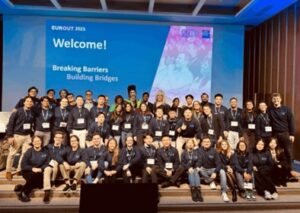
![]() Diving into the intricate process of orchestrating the annual EUROUT conference alongside the Out in Business Club at London Business School has been an immensely transformative journey. In a world that is gradually recognizing the importance of diversity and inclusion, this experience has allowed me to witness the pivotal role played by the corporate sector in fostering an inclusive environment for everyone. In this blog post, I invite you to join me as I reflect on my time within EUROUT’s Corporate Engagement Team, working collaboratively to bridge the gap between corporate worlds and diverse talents. EUROUT: A Beacon for diversity and inclusion on a global scale The Out in Business Club at London Business School (LBS) is a vibrant and inclusive community dedicated to empowering LGBTQ+ students and allies. Beyond its role in organizing the EUROUT conference, the club plays a crucial year-round role in creating a supportive environment within the academic realm. The Out in Business Club (OiB) serves as a nexus for networking, mentorship, and skill-building, providing its members with resources to navigate and thrive in the corporate landscape. Committed to fostering dialogue and promoting diversity, the club organizes a myriad of events, from insightful speaker series to skill development workshops. These initiatives not only enrich the academic experience but also contribute to the broader goal of creating a more inclusive corporate world. The main event organized by OiB is EUROUT—an annual conference designed to empower LGBTQ+ graduate business students to build the life and career they want. EUROUT stands as a beacon for diversity and inclusion on a global scale, striving to create spaces where individuals from all walks of life feel valued and empowered. Day-to-Day Efforts: Forging partnerships and breaking barriers EUROUT is orchestrated by an executive committee within the Out in Business Club, uniting members of the community and allies who collaborate within designated sub-teams. I am proud to be a member of the Corporate Engagement Team, where our mission is to forge connections within the corporate sphere to make EUROUT successful. Our goals are multifaceted. Firstly, we work to raise funds for the organization of EUROUT, the running of the club year-round, and the scholarships put in place by OiB. Additionally, we engage with companies to organise corporate events such as the careers fair and coffee chats during the conference. Most of our work within the Corporate Engagement Team took place in the months leading up to the conference. We diligently reached out to prior sponsors and compiled a list of potential companies to collaborate with. Actively seeking partnerships with organizations committed to fostering diversity and inclusion on a global scale became our mission. Then came the outreach phase, where I sent hundreds of emails and LinkedIn messages in hopes that they would reach the right person. Here, I learned that persistence and personalizing messages are key to breaking through. Understanding the individuals, I was reaching out to allowed me to adapt my message so that it would stand out amidst their busy schedules. Follow-up, I discovered, is also essential, given that these professionals have varied priorities. It became clear that maintaining a continuous dialogue and demonstrating genuine interest were critical elements in building successful partnerships. The outreach efforts from the Corporate Engagement Team were truly a collaborative endeavour. Every member of the Out in Business Club contributed by reaching out to their contacts, expanding our outreach to more companies. The collective effort was palpable as individuals outside the Corporate Engagement Team generously offered their support, leading pitching calls when needed. Valuable advice poured in from various corners, guiding the organization of the career fair and coffee chats. It was heartening to witness the commitment of everyone involved, transcending their responsibilities in other EUROUT sub-teams to ensure the success of these events. This collective dedication made EUROUT not just an event but a transformative experience for all involved. Thanks to this collective effort, we managed to raise £ 100,000 for EUROUT and the scholarship. The Executive Committee: A story of collaboration ![]() One of the most profound learnings from my experience within EUROUT’s Corporate Engagement Team has been the undeniable power and benefits of collaboration. As we worked diligently to forge connections with corporate partners, I witnessed firsthand how collaboration amplifies our collective impact. Collaborating within the CE team and more broadly with members of the club, not only expanded our reach but also enriched the depth of our initiatives. Through these collaborations, we discovered innovative approaches to fundraising, gained access to a broader network of potential sponsors, and enhanced the overall quality of the conference experience. Moreover, the synergy generated by collaborative efforts fostered a sense of unity and shared purpose. The exchange of ideas and perspectives within our team and with our corporate partners led to creative solutions and a more inclusive approach to our outreach. This experience reinforced the notion that true progress in fostering diversity and inclusion is achieved through cooperative endeavours. The collaborative ethos wasn’t restricted to specific roles either; it manifested in an open exchange of ideas and resources, especially during the three days of the conference. This collaborative spirit wasn’t confined to scheduled meetings or official channels; it became an organic part of our day-to-day interactions. In brainstorming sessions, quick problem-solving meetings, and last-minute communication requests, team members consistently pitched in to support one another, creating a collaborative environment that went beyond assigned roles. The benefits of collaboration extended beyond the immediate goals of EUROUT, permeating into the broader mission of the Out in Business Club. Our collaborative efforts laid the foundation for lasting relationships with corporate partners who share our commitment to creating an inclusive corporate landscape. These partnerships extend beyond the conference, contributing to the year-round support and mentorship programs facilitated by the club. The collective readiness to face challenges at any time and help where needed transformed EUROUT into more than just a conference; it became a community driven by a shared commitment to inclusivity and empowerment. As I reflect on this aspect of the journey, I am struck by the realization that the true success of EUROUT lies not just in the execution of the conference but in the bonds of collaboration that were forged, laying the groundwork for a legacy of unity and support within the Out in Business Club. In conclusion, working with EUROUT’s Corporate Engagement Team has been a global journey of growth, learning, and connection. If you are enthusiastic about fostering diversity, inclusion, and positive change on a global scale, consider joining similar initiatives. Together, let’s continue to pave the way for a more inclusive future, transcending borders and building bridges that connect us all. Written By Bianca-Rose Mao, MiM 2024 |
| FROM LBS MiM Admissions Blog: Study Groups: A Melting Pot of Ideas and Minds |
![]() Olivier Espitalier Noel, MFA 2024: As a humbled member of the Masters in Financial Analysis (MFA) 2024 class at London Business School, I have embarked on a journey that transcends borders and cultures at this respected institution. Our discussions, enriched by this mix of academic and life experiences, allow us to approach problems from various angles and develop comprehensive solutions. The variety of perspectives has been crucial in improving my communication and listening skills. Effective communication is key in our collaborative efforts, where we’ve learned to articulate our thoughts clearly and listen actively. This practice has helped us achieve our academic goals and understand the nuances of different academic and educational backgrounds. Working in such a diverse group has brought significant learning experiences. Navigating differences in academic training demands patience and adaptability, enhancing our ability to communicate across cultural and academic lines. This prepares us to work effectively in diverse teams in the future. Conflicts arising from differences in opinions and approaches have also been part of our dynamics, necessitating the development of negotiation and diplomacy skills to ensure productive outcomes. Adapting to a common academic standard, while respecting each member’s background, has been a conscious and collective effort. These challenges have been invaluable in my personal and professional development. Being part of this study group has been transformative, broadening my cultural understanding, enriching my perspectives, and sharpening my communication skills. Engaging with such a diverse set of minds has emphasized the importance of empathetic communication in a multicultural context. In summary, being involved in this international study group has been a key part of my MFA journey. It highlights the benefits of diversity, not only in our academic pursuits but also in enhancing our interpersonal skills, particularly in communication. This experience paves the way for personal and professional growth, underscoring the value of diverse collaboration. ![]() Jean Zwerger, MAM2024: As a student in the Masters in Analytics and Management programme, I have had the privilege of being part of a group that not only represents a spectrum of nationalities and professional backgrounds but also epitomizes the power of collaboration in the face of diverse challenges. Throughout our first term we had the opportunity to tackle a range of projects, each requiring a unique blend of our skills and perspectives. Whether it was developing Python-based trading strategies, conducting sentiment analysis on Twitter data, designing data architectures for IoT systems, or creating compelling data visualizations about the best global cities for post-study settlement, our projects have been both challenging and enlightening. ![]() A groupmate fondly recalled, “The best part about our study group was that everyone took ownership of their work and did all projects as a team. People respected each other’s ideas and thoughts and were always so accommodating”. Some standout projects were, for instance, the analysis of New York City’s infamous Pizza Rat in our Applied Statistics class, a creative endeavour that allowed us to explore urban wildlife through the lens of data. Another groupmate highlights the essence of our collaboration: “When we were working on a marketing project, brainstorming our idea, the whiteboard was filled with scribbles and diagrams. It was such a creative and fun process!” Our end proposal was “Stage”, an integrated ticketing platform within Instagram, a fun and creative proposal showcasing our understanding of the newly learnt marketing strategy frameworks. To prospective and admitted students, I say: embrace the study group experience. It is a unique opportunity to grow, learn, and connect, transcending the conventional classroom setting. The memories you create and the lessons you learn in these groups will be among the most valuable aspects of your time at London Business School. Imane El Hafidi, MiM2024: ![]() Collaboration is a major focus at LBS and within the Masters in Management programme. Once you step into the programme, you are assigned a crew of 5-6 students, with whom you collaborate on group assignments and projects throughout the term. Much like colleagues in a workplace, your team isn’t one that you choose; it is assigned to you, and they become your ride or die for the term. For me, my first term study group was truly a wonderful surprise! Right from the start, two key activities set the tone for our journey, bringing us together and allowing us to hit the ground running as a team: First, the ‘Away day’ – a day dedicated to outdoor team-building activities during which we collaborated, motivated each other and just naturally bonded. From solving riddles together, strategizing in a F1 pit stop simulation and holding onto each other for dear life while preparing to jump over the top of a 15-meter pole. This day not only revealed our authentic selves but also gave us countless funny moments and anecdotes that became running jokes throughout the term. Second, the ‘Leading with Impact’ workshop. Here, we were paired with a coach, analysing together our personality tests, and figuring out how to leverage our unique traits to best work together. While it was not a therapy session, it was a very honest and vulnerable experience. We opened up about our weaknesses and shared our strengths. I believe this had the most impact in allowing us to understand how to work together as a group and bring the best out of each other. The most rewarding part of this experience is how we weren’t only a study group, but a true built-in support system for one another. Helping each other academically outside of our group assignments, motivating each other through recruitment and most importantly accommodating each other in balancing out our academic commitments and the job search. In a sense the study group is like a small sample of the LBS cohort, very diverse, highly driven, extremely supportive and each with their own exciting journey. So, for all these reasons and many more, I’d like to extend my heartfelt thanks to Sebastian, Vanya, Charles, Grant, and Annie. Working and growing with you all was an absolute pleasure! |
| FROM LBS MiM Admissions Blog: Accommodation: Advice for finding the perfect place in the heart of London |
![]() When you picture your year ahead in London, what do you see? What kind of place do you live in? Do you live alone? Do you have a long commute to campus? How long is a “long commute” for you? I vividly remember asking myself these same questions when I received my admission letter for LBS. For me, I knew that living alone wasn’t for me. I wanted to immerse myself in the LBS community, make new friends, and truly experience all that London has to offer. Of course, everyone has their own preferences, and what suits you best ultimately depends on your personality and priorities. Finding Flatmates: If you decide to live with flatmates, LBS is exceptionally helpful when it comes to finding compatible roommates among your fellow students. They provide a helpful online platform called MeetLBS, where you can connect with other admitted students. Here, there was a spreadsheet where students could write short bios, outlining their preferences and logistics such as desired move-in dates and distance from campus. I found my flatmates through this platform, and they’ve become not just roommates but also lifelong friends. If you prefer to live with people outside of the LBS community, London offers a plethora of resources to find shared accommodation. Websites like spareroom.co.uk are an excellent starting point and have helped countless people secure their ideal living situation. The Logistics of Finding a Flat: In London’s competitive rental market, timing is key. To ensure you have the best selection of options, start your search 1-2 months before your desired move-in date. My flatmates and I searched on various websites including Rightmove, Zoopla, and SpareRoom. Remember to check back often as there will be new listings posted daily, and don’t hesitate to reach out to multiple landlords or tenants since not everyone is responsive. When it comes to location, LBS’s central and popular position is undoubtedly an advantage. Being close to campus not only reduces your commute time but also allows you to explore the city more conveniently. However, you’ll find accommodation options in various neighbourhoods throughout London, each with its own unique charm. Other Options: There are many other living options in London that might be worth looking into, for example: LBS Student Halls: You can apply for student halls through the University of London. These accommodations offer a vibrant mix of students from different universities, providing a unique opportunity to meet people from various academic backgrounds. However, places for LBS students are limited, so I suggest applying early! Private Student Accommodation: London has a range of private student accommodations across London that are all-inclusive, offering amenities like concierge services and security. Exploring these options can be a convenient choice for people who may not want to deal with setting up bills, Wi-Fi, and maintenance. Co-Living Spaces: When considering where to live, I was also looking into co-living spaces like Gravity Co-Living, where you can live and socialize with other professionals. These spaces can be great for networking and building connections outside of LBS. However, personally these were a bit far from campus. There are countless living options in London depending on what your needs and preferences are. Best of luck! Written By Elena Fan Hu, MiM 2024 |
| FROM IESE MiM Blog: Discovering the Power of Business Case Methodology: The Art of Discussion |
|
As the MiM cohort of 2024 approaches graduation next June, reflections on their journey reveal a profound correlation between the effort invested throughout the program and the satisfaction derived from it. “I dare say, I’m taking away much more than I anticipated,” remarks one student, encapsulating the sentiment echoed by many. But what exactly is... Read More The post Discovering the Power of Business Case Methodology: The Art of Discussion first appeared on The MiM Blog | IESE Business School. |
| FROM LBS MiM Admissions Blog: Making an international programme truly global: My Experience at LBS and FDSM |
By Richard Breitschwerdt, GMiM2024![]() London and Shanghai, two businesses centres of the world connected by a single Global Master’s in Management. In your first year, the environment at LBS is already international, gathering students from distant corners of the world and bringing them together on campus. In your second year, moving to China and studying at Fudan makes it a truly global programme, embracing a different culture and environment. Growing up in Germany and Brazil my goal had always been to get to know more of the world and live in an environment that embodied my international mindset. Choosing the GMIM over other programmes was a straightforward choice, as it reflected my ambitions to study at world-renowned universities and learn both from ambitious peers and the best professors in their fields. Having a great desire to explore more of Asia and understand the business environment in China, made the GMIM an obvious choice. During the first year at LBS, you become a part of a lively community of driven people from all over the world. Together, you start a journey into postgraduate management education and future career developments. Through group work, social events, and the different clubs at LBS one gets plenty of opportunities to mix between streams and programmes eventually getting to know each other better. With a cohort of around 40, the GMIM brings together likeminded peers, half of whom are Chinese nationals and the other half are not. This diverse class forms a strong bond over time as students navigate similar paths ahead. While some students are starting to learn Mandarin, native students will assist as leaning buddies to support the learning experience and later integration into the life in China. By the time you arrive at FDSM, you will have connected with people from all the programmes, made friends from around the world, and enriched your network with mentors from advanced career programmes. As you arrive in Shanghai, you can reflect on a year filled with learning, facing new challenges, and potentially already mapping out your initial career steps. Transitioning to China does not mean leaving everything behind; quite the contrary, FDSM and the GMIM Programme are a smaller version of LBS on a different campus, in a different city, and in a different country thousands of kilometres away from your recent experiences. While no fresh start is simple, your peers and both FDSM and LBS are there to assist you in setting up and getting started in initially foreign environment. Shanghai has a rich history and is a very vibrant city, the perfect place to learn about China, its business environment, and to explore the region. In class you will explore the Chinese business environment, international strategies, and what the differences are when establishing a business in China over most other countries. China is not like any other country, so living, studying, and potentially working there immerses you in an environment that comes with challenges of its own, that you surely will master too. Even though it is an adventurous journey filled with numerous challenges, it will shape you into a young graduate who has immersed themselves in two of the most vibrant and dynamic economic hubs globally and acquired management skills and business acumen as well as international business exposure. You will be able to look back to the moment when you first accepted your offer and be proud of how far you have come, the support you have received, and to continue being curious for what lies ahead. |
| FROM LBS MiM Admissions Blog: My Journey into Private Credit |
|
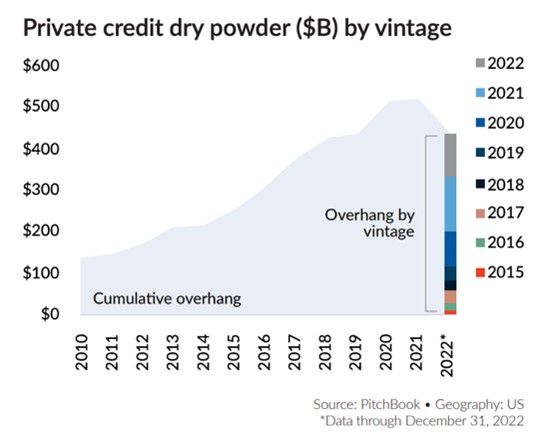
By Samuel Meringolo, MFA2024 I am sure you have heard about private credit. The asset class that has made headlines, with many even dubbing it the “Golden Age.” But what is this talk all about? Why haven’t many heard of it before? In this higher rate environment, private credit’s floating rate loans have meant higher risk-adjusted returns for the asset class, even temporarily surpassing private equity. This has gotten the attention of many institutional investors who are now adjusting their traditional 60-40 portfolio of public equity and debt respectively and rebuilding it to add alternatives which have proven to offer more resilient and less volatile returns. So, as the asset class grows more so does the opportunities for early-career graduates. In this blog, I will give you a brief overview of this asset class, my academic and professional background prior to joining LBS, my MFA program experience, and lastly my recruiting journey and some advice for those who want to work in private credit. What is Private Credit? ![]() You may often hear about M&A and investment banking, or private equity and venture capital, but the c. $1.7tn private credit asset class, until recently, has not been talked about as much. Private credit, and more specifically, direct lending, is the private non-bank financing of private equity-backed companies. Private credit has usually lent based on a company’s cash flows rather than its asset base, and are often backed by private equity sponsors, although sponsor-less deals also occur. For decades, banks were the main lenders, offering broadly syndicated loans and high-yield bonds. Although lending from these private non-bank financial institutions began over 20 years ago, it was not until the GFC that the demand for private credit began to grow more rapidly as the banking industry faced significant regulations. These regulations included the new Basel regulations which required banks to meet capital requirements set forth by this new risk framework. As a result, the banks were forced to reduce their balance sheets and their risk-weighted assets, which in turn has forced them to de-emphasize the middle-market and become more cautious lenders. This has recently become more apparent, as major banks were forced to syndicate Citrix’s $8.55bn in loans and bonds at a significant discount, resulting in $700m in losses. With that, a major supply demand imbalance became exacerbated, with the supply of private credit capital, which is estimated at c. $400bn in dry powder, being dwarfed by the corporate lending demand. As private credit funds seek to capitalize on this imbalance, there has been more job opportunities in the asset class. My journey ![]() Now, to give some context on my journey into private credit, it’s important to see where I’ve come from. When I first began my undergraduate degree at ESSEC Business School I knew I wanted to do finance and imagined myself working in a large multinational bank. Every finance student dreams about the day they finally get an offer from an investment bank. Unfortunately, in your undergraduate degree you are not learning much about credit, but instead the basic corporate finance and accounting courses, and a PE course where they talked about LBOs but forgot to give much thought to the “L” (Leverage). So, you don’t usually find credit, credit finds you. In my case, credit found me. I had my first internship experience at Santander Bank as Credit Risk Analyst. This experience, although a back-office position, gave me a first experience in understanding the importance of diligent credit risk analysis. Following my time at Santander Bank, I was motivated to find another internship, but now in a client-facing front-office position. So, I decided to take a gap year after graduating from ESSEC, to gain two more internship experiences before beginning my master’s degree. As I began applying, I found much more traction with Leveraged Finance internships rather than internships in M&A, as I had a prior experience in credit. In the end, I completed two internships during this gap year. First, a Leveraged Finance position at SMBC, and second, a role in private credit at LFPI, a French investment fund. For those interested in a career in private credit, it is important to understand the dynamics of the recruitment process. In general, most graduates have future aspirations to work in the buy-side. The buy-side is any investing role that buys and invests in securities for the purpose of money or fund management. This includes roles in private equity, private credit, or in a hedge fund. On the other hand, the sell-side is the selling of securities to the public, such as M&A, equity research, sales & trading, and commercial and corporate banking. Not until recently have buy-side roles been available to early-career graduates. Previously, you had to have done at least two years in the sell-side, and only then would you begin to recruit for a buy-side role. Now, some private equity and private credit roles are opening for summer analyst and full-time analyst positions. This is a meaningful change and has provided many like me the opportunity to work directly in the buy-side without having to work in the sell-side. My LBS Program Experience When I applied to LBS, I had already three internships in credit and knew that a post-graduate career in private credit was what I was striving for. So, when reviewing the MFA programme at LBS, I was pleasantly surprised to see some elective credit courses, such as Distressed Investing and Alternative Credit Investing. The programme provides not only those who are interested in credit, but those who are interested in other non-Investment Banking careers to pursue interesting electives. I was also impressed with the number of resources the career services had available. Before even arriving in London, I was able to schedule a one-on-one session with career services, to ensure my CV was strong enough to submit my first applications. Also, the career services have other resources, such as the private credit interview guide that gives a complete overview of what you can expect during credit interviews, and even a buy-side networking event that can help you connect with industry professionals who are actively recruiting. My Recruitment Process It was mid-late August as firm’s began posting their summer analyst positions. As the programme began, all you could hear about was which bank had just posted their internship positions, who got the hirevue interview or online tests, and who was getting first interviews. The atmosphere during my first month in the MFA program was very exciting as recruitment was in full swing. Unlike many of my classmates who were applying to M&A summer internships, I was keen on finding an opportunity in credit. That included Leveraged Finance positions in bulge bracket banks, and private credit positions in investment funds. By mid-September I had submitted 25 applications and was patiently waiting for any updates. By then, I had begun completing my hirevue interviews and painfully long online tests. Finally, in one week I had received multiple responses and had at least two telephone interviews for bulge-brackets and an investment fund. Finally, I was invited to two assessment centres. An assessment centre interview is one day with multiple interviews, which challenge you both qualitatively and quantitively, even requiring you to complete case studies and present them to senior members of the team. After completing these final round interviews, I accepted an offer from Ares Management in their European Direct Lending Origination team. I had worked hard to finally receive an offer from one of the leading players in private credit. Conclusion I hope this blog gave you a unique perspective on a career in private credit. It is an exciting time to work in credit and I encourage all those who are interested to do your own research about the asset class and to speak to industry professionals who can provide their first-hand account. Below you may find a few pieces of advice for those interested in a career in private credit:
Please do not hesitate to reach out to me on LinkedIn, I am happy to speak more about my academic and professional experiences! |
| FROM LBS MiM Admissions Blog: An Overview of My Consulting Recruiting Journey and How My Programme Experience Supported Me in the Process |
![]() By Selin Spencer Ciloglu, MiM2024 As I prepare to join Kearney’s London office in September 2024, I reflect on the journey that brought me here and the pivotal role the Masters in Management programme played in my journey to success. A consulting career in London following my Masters degree was without a doubt my sole target. Yet, the path was anything but straightforward. My journey was structured around three pillars: self-preparation, preparation with peers (casing), and excelling in interviews. The Beginning: Self-Preparation My journey kicked off with a drive to start early. During an LBS event, the Admits Congratulations Day on campus in April, I met with fellow ambitious peers which led to the formation of valuable connections. Alongside my self-preparation, I got the chance to case in June and July with another incoming LBS student. During my initial mock case interviews, I noticed that I lacked some further skills. Acknowledging this in August, I sought advice from LBS MBA students, who recommended several self-preparation websites. This phase was crucial; it reinforced the foundation upon which I built my casing skills. I noticed that self-preparation is very crucial because lacking fundamental knowledge and not having your own pace before you start casing with peers can hinder the acceleration of your preparation. On an important note, the consulting preparation document by the LBS Career Centre was my go-to handbook during this process. The Power of Collaboration: Casing with Peers Casing with peers and engaging with MBA students at LBS underscored the programme’s unique advantage. LBS fosters an environment where students can sign up for casing sessions with MBAs, many of whom are ex-consultants themselves. This experience was irreplaceable, offering first-hand insights and feedback from those who had been through similar paths. Alongside casing with MBAs, my own Graduate Masters peers were very supportive, and we all collaborated throughout this recruitment process. Leveraging Institutional Support: The Consulting Club The Consulting Club at LBS was another cornerstone of my journey. The club organizes numerous information sessions, inviting alumni who have successfully broken into the consulting sector. These sessions, coupled with workshops focusing on interview preparation— covering both case studies and personal fit aspects—were very valuable in my development. The Final Step: Excelling the Interviews The interview process has 3 pillars: competency tests, case interviews and personal fit interviews. Competency tests were the first hurdle, assessing analytical and problem-solving skills. Diligent daily practice, informed by resources recommended by the LBS Career Centre was key to building the analytical acumen required. The heart of the recruitment process was casing. These case interviews tested not just my ability to apply business frameworks but also to think creatively and communicate complex ideas effectively. Collaborative preparation sessions, particularly with peers and MBA students, were essential due to the transparent feedback I received which helped me enhance my casing skills. Casing with peers not only sharpened my analytical skills but also taught me the importance of clarity and conciseness in communication. Lastly, personal fit interviews were an opportunity to demonstrate my alignment with the firm’s culture and values. Many people underestimate the importance of personal fit interviews, but they require almost as much preparation as case interviews. Preparing for these interviews involved deep research into each firm and practicing how to articulate my experiences and motivations genuinely. Feedback from mentors proved crucial, helping me refine my narrative and present a coherent, authentic self. Reflections on the Recruitment Process The recruitment journey is undeniably demanding, requiring sacrifices and detailed preparation. However, it’s also profoundly rewarding. My early start, the strategic use of resources at LBS, and the collective wisdom of peers, alumni and the career centre were critical to my success. The consulting club and the mentorship from MBA students highlighted the program’s commitment to creating a web of valuable and insightful networks. These opportunities not only prepared me for the challenges of consulting interviews but also enriched my understanding of the industry. Concluding Thoughts: The Path to Achievability My journey to a consulting career, supported by the structured environment of LBS, underlines a critical lesson: with determination, the right preparation, and leveraging available resources, achieving one’s career goals is not just possible but probable. The journey to securing a coveted position in consulting, or any field is challenging. Yet, the experiences and lessons learned along the way are invaluable. For those embarking on this path: Make sure to embrace the challenges, seek support from your community, and utilize the resources at your disposal. Set clear targets, start early, and never underestimate the power of preparation and community. |
| FROM LBS MiF Admissions Blog: A Deep Dive into Private Equity: My Experience with the LBS PE/VC Club |
By Sutita Jirabandansuk, MIFFT2024![]() If you’re considering a career in private equity or venture capital, the Private Equity and Venture Capital Club at London Business Schoolmight be the game-changer you need! The club is like a masterclass in everything PE and VC. It’s where you can really get to grips with the investment world, beyond what textbooks can teach you. Here is what the club offers and some of experiences I’ve had so far! What is the PE/VC Club at LBS? The PE/VC Club is dedicated to enhancing the understanding and reach of private equity and venture capital industries among its members. The club’s mission is to provide practical experience through a comprehensive suite of events, workshops, treks, competitions, and networking opportunities to bridge the gap between academic theories and the way things work in the real world, enabling members to interact with industry professionals and gain insights from their experiences. This prepares the members effectively for their future careers in these dynamic fields. Why I chose to join the PE/VC Club Having previously worked in a buy-side role for an energy company in Thailand, I wanted to pivot into private equity, especially with the growing focus on renewable energy there. I joined the PE/VC Club to deepen my understanding of investment strategies and market dynamics. I also participated in a seven-day PE workshop organized by the school, which included a competition with fellow participants. This experience was valuable; it featured a financial modeling class where we were challenged to build a model within an hour which is a common task in private equity interviews. Additionally, we had the opportunity to connect with alumni working in the field, gaining insights and advice for the case competition. The workshop culminated in a final presentation where we received constructive feedback. This experience has been invaluable, significantly preparing me for real-world challenges. Finally, it has been incredibly rewarding to network with leading experts and like-minded peers, all committed to pushing the boundaries and challenging one another. The Clubs’s impact on my career aspirations The insights and skills I have gained through my active involvement in the club have been vital in complementing my academic pursuits. Interacting with industry leaders during activities and events has offered me a realistic perspective on what to expect in the field. Additionally, the practical training sessions have greatly improved my analytical skills. The club has not only enriched my educational experience but has also firmly established my career trajectory in private equity and venture capital. Conclusion This club offers a comprehensive understanding of the industry, enhanced by firsthand experiences with prominent professionals and collaboration with a network of highly motivated peers. My own involvement in the club has been an essential part of my professional and personal development, equipping me with the skills and insights needed to effectively navigate the private equity and venture capital world. The club not only provides practical training and invaluable networking opportunities but also fosters a strong sense of community and shared ambition. It goes beyond being just an extracurricular activity. It is a pivotal step toward securing a successful career in these competitive fields! |
| FROM LBS MiF Admissions Blog: Insights into Student Clubs: My Experience in the Middle East and North Africa Club |
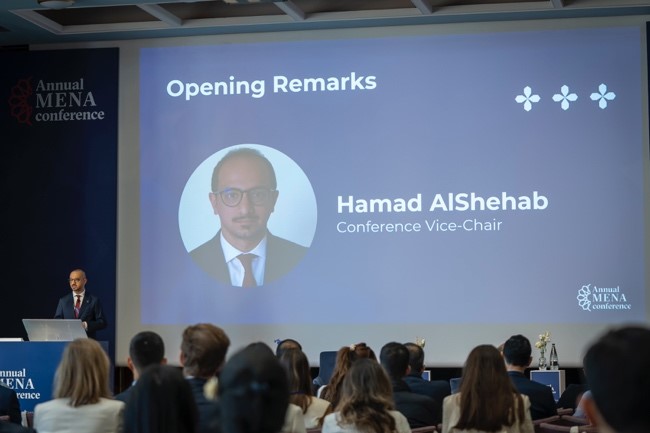
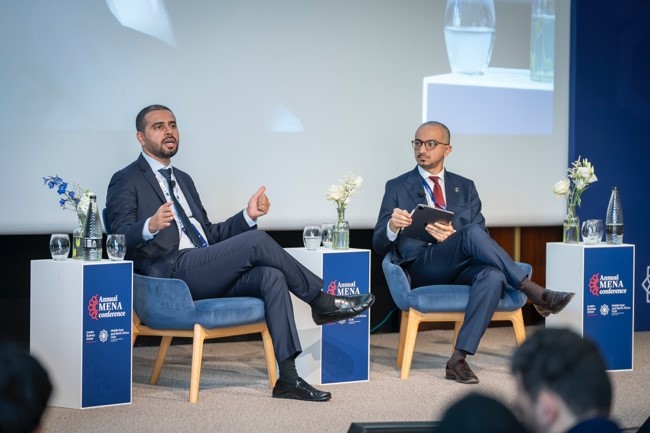
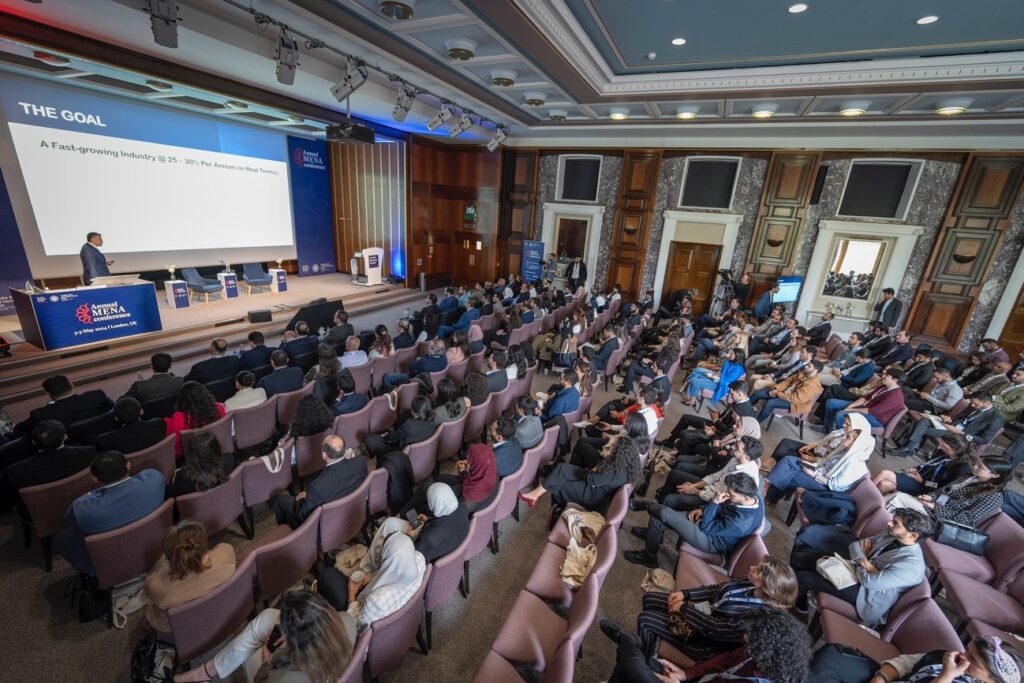
By Hamad Alshehab, MIFFT2024![]() The MENA Club was established to act as a bridge between LBS and the region The Middle East and North Africa Club was established in 2002 to offer a distinctive opportunity, serving as a bridge between London Business School (LBS) and the Middle East and North Africa (MENA), facilitating cultural exchange and career opportunities. With a membership exceeding 3000, comprising of current students and alumni, the Club organizes a variety of events throughout the academic year, including conferences and treks, career presentations, discussion panels, and social gatherings. Its mission is to facilitate career opportunities, cultivate dialogue on regional development, and delve into the vibrant culture and heritage of the region. The Club provides opportunities to play a role in fostering culture exchange I strongly believe that each region has a unique culture, history, and heritage that differentiates it from one another. I am interested in exploring and introducing our culture, as well as sharing what we have been doing to advance our economy with the world. I chose to join the Executive Committee of the MENA Club to play a role in exploring new opportunities for collaboration between the MENA region and LBS communities. I believe the MENA region has a vibrant society, with strong aspirations, ambitious plans, and undergoing transformative economic development across its countries. ![]() Co-leading the Annual 21st MENA Conference this year was a unique and enriching learning experience Last year, I was selected to co-lead the Annual 21st MENA Conference as the Vice-chairman, and it was a rewarding experience. The MENA Conference serves as a beacon for thought leadership, sparking rich and meaningful discussions on the latest trends impacting the region. Co-leading the conference with 16 members of LBS communities from 8 nationalities was an enriching experience where I was able to learn, grow, and make a significant contribution to support the Club. Being at LBS has played a vital role in attracting the region’s most influential figures such as Ministers, CEOs, Entrepreneurs, and Thought Leaders. This year, I was able to work with the team and successfully attract major sponsors such as Jada Funds of Fund, King Abdullah Petroleum Studies and Research Center, Saudi Electricity Company, and many more from the MENA region to establish partnerships and provide career opportunities for the LBS community. ![]() It is an opportunity to learn from the industry leaders and stay up-to-date on the market trends LBS provides an opportunity to join one of the most active student clubs among the 80 clubs across different areas such as Private Equity and Venture Capital, Finance, Investments, and Entrepreneurship. Being a member of several clubs at LBS such as the MENA Club, Entrepreneurship Club, and Private Equity and Venture Capital Club complements my learning experience at LBS, where I have first-hand engagement with industry leaders and learn from their knowledge. This allows me to link my academic studies in finance with industry practices. Explore the Student Clubs at LBS |
| FROM LBS MiM Admissions Blog: Being of First Generation, Low, or Intermediate Income (FLII) at London Business School |
![]() By Kai Ming Chew, MFA2024 Big dreams, but no big pockets. When I first received the offer to join the Masters in Financial Analysis programme at LBS, a part of me was extremely elated as LBS was my dream school, but another part of me was slightly apprehensive. There were two main concerns: (1) Business schools, in general, were not known to be the friendliest in terms of cost; and (2) whether I could fit into the culture at LBS as someone from a less affluent background. However, these concerns proved to be unfounded. Affordability: LBS has a large range of scholarships available to students. Each year, around 15-25% of students receive scholarships. Thankfully, I was granted the LBS Bursary Funds scholarship, a needs-based scholarship, which helped tremendously in the affordability of attending LBS. This scholarship helped me to cut down the number of hours I spent working part-time from 20 hours per week to 15 hours, allowing me to use the additional time for extracurricular activities at LBS. Fitting in: LBS is home to an extremely diverse and inclusive community. The First Generation, Low, or Intermediate (FLII) in Business Club is a social mobility club at LBS that champions socioeconomic diversity at LBS and a great platform to meet students from similar socioeconomic backgrounds. The FLII Club aims to reduce the impact of socioeconomic diversity on the LBS experience, and the club has achieved it through forging active partnerships with student clubs to provide subsidised tickets to FLII students for multiple events. As my time in the MFA programme ends, I must say that attending business school has been one of the best decisions I have made. Coming from a background where my family or immediate relatives do not work in finance, LBS’ extensive alumni network has helped me to gain a deeper understanding of the industry through coffee chats with LBS alumni. Additionally, studying in a global classroom consisting of students of 72 different nationalities has helped me to forge lifelong connections that I will take with me as I begin my career in finance. |
| FROM LBS MiM Admissions Blog: EQUALL 2024: A Chapter of Transformation |
![]() By Aahuti Hindocha, MiM2024 The echoes of applause have faded, but the resonance of ideas exchanged at EQUALL 2024 lingers on. Join me as we rewind the tape and relive the moments of Europe’s largest student-led equality conference, reflecting on how it shaped my experience at London Business School (LBS). ![]() The ‘EQUALL’ conference stands as a prominent forum, uniting women from various backgrounds, fostering the exchange of information and experiences at the forefront of gender equality. This year’s EQUALL conference was a huge success, hosting over 570 attendees from different universities and countries. It was a privilege to organize this alongside 35+ driven women who dedicated themselves tirelessly for 7 months. Under the theme of ‘A Seat At Every Table,’ we invited over 30 incredible female leaders to participate in panels, keynotes and host workshops, aiming to inspire students towards envisioning a world where women are empowered, equipped, and capable of exerting influence in every aspect of their lives. The event featured important and ‘hot’ topics such as women’s health, investing, sustainability and manifestation. How it has shaped my experience at London Business School Stepping out of comfort zones: Throughout my year at LBS, my primary objective was clear: to step out of my comfort zone. Joining the Women in Business Executive Committee’s Conference team provided the ideal opportunity to do this. Organizing the conference proved to be an eye-opening experience, revealing the importance of meticulous attention to detail and the nuanced intricacies crucial for seamless execution—elements I had previously overlooked. From setting the stage props to orchestrating panel schedules, every detail demanded unwavering attention. The level of seamless execution was only made possible by the highly experienced and dedicated Women in Business committee. They not only served as a source of inspiration for me but also played a pivotal role in my personal growth journey through their invaluable guidance. ![]() Empowering Voices: Given my experience speaking at COP28 and my fervour for social impact and charity initiatives, I decided to coordinate and moderate the ‘Women Shaping Sustainability’ panel. Bringing together a powerhouse line-up of speakers involving Claire Perry O’Neill (Former UK Minister for Energy and Clean Growth), Lucy Greengrass (Sustainability Strategy Senior Manager at Accenture), Brit Morgan (Electrification Lead UK at Uber), and Sukhvir Basran (Partner and ESG Co-Chair at Cadwalader, Wickersham & Taft LLP) was an exhilarating process fuelled by many engaging conversations with successful women in the field. Moderating the panel was a profound honour as I had the privilege of learning from these trailblazing women and gaining deeper insights into the intricacies of sustainability. Their unwavering passion and dedication towards creating societal impact whilst empowering women in the process, left a lasting impression on me. This experience left an indelible mark on my journey at LBS. How it ties in with my career goals ![]() Being a part of the WIB Conference team was not merely a task on my to-do list; it was a deliberate step towards aligning my career aspirations with real-world experiences. I can’t help but recognize how each aspect of this endeavour has contributed to my professional growth and development. A Lesson in Leadership and Project Management: From the initial concept to the final execution, planning the conference demanded a blend of strategic thinking, meticulous planning, and effective execution. I was exposed to the complexities of event management such as risk mitigation and speaker engagement. This experience has been the ultimate crash course in facing challenges head-on and realizing that with enough grit, there’s no limit to what one can achieve. Facilitating Dialogue and Building Connections: Moderating the panel taught me the importance of adaptability and active listening—qualities that are indispensable for effective communication in any career. By guiding the conversation and encouraging diverse perspectives, I aimed to create a dynamic and engaging experience for both panellists and audience members. Further, it provided me with the platform to network and connect with influential figures in various fields thereby expanding my professional network in ways I never imagined. A pathway to growth and impact: More than that, though, this experience reaffirmed my dedication to being a force for positive change and leaving a lasting impact wherever I go – values that lie at the heart of my career ambitions. As I continue my career journey, I am better equipped to incorporate purpose in every aspect of my work. As I reflect on the journey of EQUALL 2024, I am filled with a profound sense of gratitude for the opportunities it has presented and the lessons it has imparted. From honing my leadership skills to expanding my professional network and deepening my understanding of key industry issues, this experience has been invaluable in shaping my growth both personally and professionally. Moreover, it has reaffirmed my commitment to driving positive change and leaving a lasting impact in all endeavours I pursue. As I look to the future, I carry with me the insights gained and the connections forged, knowing that they will continue to guide and inspire me on my career journey. |
| FROM IESE MiM Blog: Exploring Diverse Career Paths: Insights from Our Recent Webinar Hosted by Luis Go, MiM Associate Director |
|
We recently had the pleasure of hosting an insightful webinar for the Asia region, led by Luis Go, MiM Associate Director at IESE Business School. The session was an enriching experience, enlightening on the diverse career trajectories and motivations of our MiM graduates, to try to inspire young generations not only receive an exceptional education... Read More The post Exploring Diverse Career Paths: Insights from Our Recent Webinar Hosted by Luis Go, MiM Associate Director first appeared on The MiM Blog | IESE Business School. |
| FROM IESE MiM Blog: Insights from Our Recent Webinar on MiM Career Paths Hosted by Luis Go |
|
We recently had the pleasure of hosting an insightful webinar for the Asia Region, led by Luis Go, MiM Associate Director at IESE Business School. The session was an enriching experience, enlightening on the diverse career trajectories and motivations of our MiM graduates, to try to inspire young generations not only receive an exceptional education... Read More The post Insights from Our Recent Webinar on MiM Career Paths Hosted by Luis Go first appeared on The MiM Blog | IESE Business School. |
| FROM LBS MiM Admissions Blog: Moving to London: advice on moving to a new city |
![]() Written By, Joshua Marienfeld, MiM2024 Where did you live before moving to London? Before starting LBS in September 2023, I was backpacking across Southeast Asia and New Zealand, and I remember calling my family from across the world in the middle of the night when I received my offer! Being on the other side of the planet, however, made searching for a flat in London more stressful (albeit exciting). Although my belongings remained in the UK, not being able to view flats in person and call agents in the same time zone definitely added to the challenge. What was your biggest fear before moving? During 4 years of undergraduate studies, I had moved a total of 9 times. Therefore, the idea of moving again didn’t faze me. However, my biggest fear was the sheer size of London. Up to this point, Munich was the largest city I had lived in (a fraction of the bustling metropolis that is London), so I was anxious I wouldn’t secure an affordable place at a reasonable distance to LBS’ city campus. For that exact reason, many instinctively look for places as close as possible to LBS. But the truth is, there’s no need. While not perfect, London’s underground system is really world class, and you’ll be surprised how far you can get in a reasonably short amount of time. If you’re living on a line that stops at Baker Street (there’s many to choose from: Jubilee, Bakerloo, Metropolitan, Circle and District), you’ll find you can be quite flexible with your location (which means greater flexibility on price, space, and local amenities). For example, I live in the Willesden Green / Kilburn area. While Zone 2/3, my Zone-1-classmates’ jaws drop when I explain it takes only 30 minutes from flat to lecture theatre seat. (Up the ante even more and check out Wembley Park. Modern luxury flats only 15 minutes / 2 tube-stops away from LBS despite being Zone 4!). Many of my classmates who live a couple minutes’ walk from LBS admit in confidence they miss a mini commute. Don’t underestimate the power of a little journey to help unwind after class! What surprised you after moving to London? Unlike NYC with its unique and world-famous neighbourhoods such as Brooklyn and Manhattan, I had never considered the uniqueness of London’s areas. Even if you choose to live close to LBS, make sure to spend some of your time really exploring the city. London is a fantastic city, but it can take time to scratch beneath the cold exterior to find its true non-tourist charm. Something that is well worth the time investment. What is your top tip for future students preparing a move? Stay calm and carry on. As with any major city, the London property market is hot. Listings come and go in a heartbeat so it can become disheartening as well as stressful when you haven’t secured anything (especially with a course start date breathing down your neck). Don’t panic. You will find something. Just as flats go lightning quick, so do new listings arrive. I viewed, signed, and moved only a couple weeks before the programme started. So, if you haven’t got a place with 1 month to go, keep your head up and don’t start panicking just yet. Also, focus on the must-NOT-haves rather than the must-haves. You’ll never find that dream property that has everything, but at least make sure it doesn’t break any of your hard-nos. What would you do differently if you could? Travelling on the other side of the world, I spent two months searching online, calling agents in the middle of the night, and a copious amount of video viewings; all to no avail. It took one day in person in London to find a flat. If you can, I wholly recommend starting the process in person. In person you can see the properties for yourself, meet the agents/landlords face-to-face, scope the vibe of the area, and get the process moving. In a few days you’ll achieve more than what would take months online. Favourite spot(s) in London? A severely overlooked part of London is its quiet spaces. London, in many peoples’ minds, is a city of happening, but it also has spots for the slower days. Ideal in both sunny and atmospheric rainy days, London’s villages such as Highgate or Blackheath are well worth a visit, even if for nothing else but a seat outside an independent coffee shop. TLDR (Too Long Didn’t Read):
|
| FROM LBS MiM Admissions Blog: The Power of Networking and Mentorship |
![]() Written by Emil Teja, MiM2024 A career development mantra that you’ve probably heard again and again is ‘networking is key’, particularly in the context of going to business school. Prior to joining LBS, I certainly expected that a major value-add of the MiM programme would be the connections and community I would subsequently take forward. Nine months into the programme, I can confidently say that the 2024 MiM cohort, which I’ve had the great fortune of being a part of, has exceeded those expectations; I’ve made friends I hope will be lifelong, learnt extensively from my peers, and expanded my worldview through the cohort’s diversity. However, one aspect of the Graduate Masters (GM) LBS experience that I was not at all expecting to be such a significant value-add has been my peers outside the MiM cohort, in particular, the more experienced MBAs and MiFs. It all comes down to the fact that, in choosing an LBS GM programme (whether it’s the MiM, MFA and MAM), you’re not just joining that specific programme’s cohort but also the entire LBS ecosystem, including MBAs, MiFs (FT & PT), EMBAs, and Sloans. Having already spent an average of 5.5 years (MBAs & MiFs) working prior to joining LBS (many in the firms and industries you’ll be applying to), peers on these programmes have a wealth of experience that they are more than happy to share. Having access to their wells of insight has had a profound impact on my LBS journey and career search, so I’m pleased to share my experiences and top tips for making the most of the LBS ecosystem. Level up with MBA/ MIF Peer Advisors Beginning with the mentorship channel that I benefitted the most from, MBA and MiF ‘Peer Advisors’ volunteer their time through the Career Centre to provide sector-specific mentorship, coaching and advice (think mock interviews, exploratory coffee chats, CV reviews etc.). Just like the rest of the Career Centre’s 1-on-1s (I.e., with career coaches and sector advisors), booking Peer Advisor sessions is done in a few clicks on the Career Centre portal. Each Peer Advisor posts a bio, highlighting their previous employers and sector experience, helping you identify the most suitable person to book a session with. To put it simply, this was a game changer for me while preparing for case interviews. By the end of the Autumn Term, despite doing plenty of case practice with my MiM peers, I didn’t receive an offer from either of the two consulting firms that I interviewed with. Returning from the winter break, determined not to ‘continue doing the same things while expecting a different outcome’, I completed 7 mock cases with peer advisors. While each session was with a different peer advisor, they had all either worked in top consulting firms prior to joining LBS, or, as many MBAs do, successfully applied for and completed consulting internships the summer before. The incredibly detailed feedback that I received from each session, and the challenge of casing with ‘experienced strangers’ (which mirrors the real thing) is what, I believe, ultimately what gave me the edge to successfully receive an offer the next time I interviewed. Boost your soft skills through the Graduate Masters Mentoring Programme Another direct channel through which experienced members of LBS’ student body support the GM cohorts is the ‘Graduate Masters Mentoring Programme.’ In contrast to the Peer Advisor initiative, the GM Mentoring Programme focuses on ‘professional skills development,’ with 8 skills in focus: confidence building, negotiation, interpersonal skills, networking, leadership, time management, stakeholder management, and setting goals. In the year I spent working before LBS, I realised my growth had plateaued during my undergraduate studies and developing such essential professional skills would require targeted effort (part of my motivation for joining LBS in the first place). Naturally, I jumped at this opportunity for mentorship. The GM Mentoring Programme is optional, and the graduate masters who opt-in are asked to identify which professional skills they would most like to develop over the course of the year. They are then paired with a dedicated MBA, MiF or Leadership programme mentor who has volunteered and identified themselves as someone that can offer mentoring on those skills. An additional, indirect benefit of the Mentoring Programme is also in learning how to be mentored and what a good mentorship relationship actually looks like. To achieve this, the programme is initially quite structured for both mentors and mentees – mentees are required to complete an ‘Action Plan’ ahead of the first meeting and guidelines are provided on the purpose and ethos of mentorship. Beyond the first meeting, however, the relationship is self-managed by mentors and mentees, with the expectation of 2-3 further meetings during the year. Get involved in the LBS Club Network The LBS club network is a cornerstone of the student experience – other student ambassador blogs have been solely dedicated to capturing its central role at LBS so if you haven’t already, I’d recommend giving those a read. Purely from a networking and mentorship perspective, they offer the Graduate Masters a variety of interest-sharing communities, with strong participation from experienced MiFs and MBAs. As a result, active engagement with club socials and speaker events provides an opportunity to supercharge your learning and network, either within a particular sector (for industry-specific clubs) or generally (for industry-agnostic clubs like sports clubs). During my time at LBS, I opted to join the PEVC club given my motivation to work in VC at some point after the MiM. As I’d already done an internship in VC and been active in the VC club of my undergraduate institution in London, joining the club’s ExCo also made sense. On top of meeting numerous peers with strong ambitions and experience in the sector and attending a number of incredibly insightful events (including a dozen office visits on the London VC Trek), the PEVC club also supported me in navigating a challenging career decision- choosing between starting out in consulting or going straight into VC. With no obvious right choice, I reached out to the head of the club’s VC arm, a 2nd year MBA who’d started out in consulting and was transitioning into VC. Leveraging his experience, as well as advice I received from the LBS Careers Centre, empowered me to make the decision with confidence. Engage with the LBS Alumni Network Last but not least, it’s no secret that LBS has developed a top-class alumni network which you can access as soon as you join an LBS GM programme. As early as a month into the MiM (which was probably later than some of my MiM peers), I was reaching out to alumni for coffee chats and attending networking events on campus ahead of consulting applications. The LBS alumni that I reached out to were responsive, supportive and friendly, and what stood out to me most was how invested they were in my success; in one case, I was in regular contact with two alumni at a particular firm during the application and they even got in touch with the recruiter on my behalf when the process slowed down. It’s no secret that speaking to people within the firms that you’re applying to is good practice (and in many cases essential), and the warmth of the LBS alumni community makes this significantly less challenging. Indeed, I certainly intend to give back the support I received with future Graduate Masters cohorts. Final Thoughts Regardless of where you are in your LBS journey, whether that’s still deciding if it’s for you or getting ready to join the next cohort, in my experience, it does pay dividends to think long-term and plan ahead. While the LBS ecosystem is certainly one that can be “harvested” as soon as you join, for example via Peer Advisors or the GM Mentoring Programme, it also provides fertile ground for planting seeds and cultivating relationships that will likely be the difference much later down the line- perhaps you’ll meet a future co-founder or someone who at some point opens the door for a career pivot. As with all things in life, however, it’s about finding balance, and I’d be selling the LBS experience short if I didn’t mention how enjoyable it’s been developing fresh friendships, being exposed to new ideas and living through the novel experiences. |
| FROM IESE MiM Blog: IESE Business School fosters community and lifelong learning |
|
Latest Article by The Times Higher Education The welcoming and motivating environment at IESE Business School attracts dedicated learners who form strong alumni networks long after graduation During her master’s in management at IESE Business School, Teresa Khevenhüller realised the importance of lifelong learning. “I used to think that you go to university, you move... Read More The post IESE Business School fosters community and lifelong learning first appeared on The MiM Blog | IESE Business School. |
| FROM IESE MiM Blog: Overview Graduation Ceremony Master in Management (MiM) Class of 2024 |
|
On June, 6th, 2024, we celebrated the Graduation of the MiM Class of 2024, a day filled with pride, inspiration, HOPE and reflection. We were honored to hear from distinguished keynote speakers: Professor Miguel Antón, Academic Director of the MiM Program Mr. Sebastiaan Kloppenborg, President of the MiM Class of 2024 Ms. Helena Herrero, Managing... Read More The post Overview Graduation Ceremony Master in Management (MiM) Class of 2024 first appeared on The MiM Blog | IESE Business School. |
| FROM IESE MiM Blog: Overview Graduation Ceremony MiM Class of 2024 |
|
On June, 6th, 2024, we celebrated the Graduation of the Master in Management (MiM) Class of 2024, a day filled with pride, inspiration, HOPE and reflection. We were honored to hear from distinguished keynote speakers: Professor Miguel Antón, Academic Director of the MiM Program Mr. Sebastiaan Kloppenborg, President of the MiM Class of 2024 Ms.... Read More The post Overview Graduation Ceremony MiM Class of 2024 first appeared on The MiM Blog | IESE Business School. |
Success stories and strategies from high-scoring candidates.