| Last visit was: 23 Apr 2026, 11:37 |
It is currently 23 Apr 2026, 11:37 |
|
|
Customized
for You
Track
Your Progress
Practice
Pays
| FROM Haas Admissions Blog: Do I Need an MBA to Be a Product Manager, Part III |
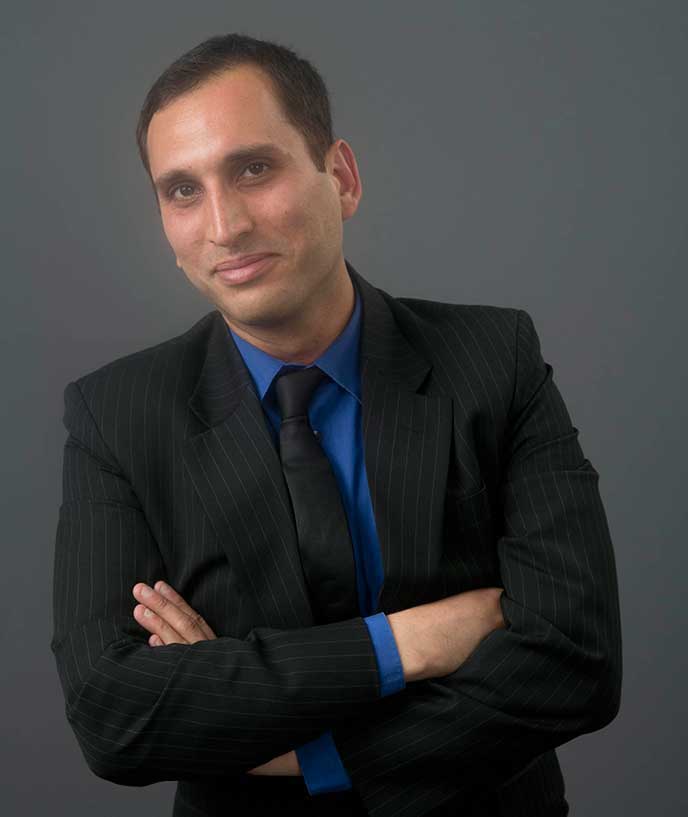
![]() Meet Promeet Mansata, 2015 graduate of the Berkeley-Haas Evening & Weekend MBA Program. Upon graduating, he made a career change from database/application systems management to product manager with @Walmart Labs. What did you do prior to going to business school? I worked for LinkedIn as Manager, Database/Application Systems. Why did you want to work in product management? Early on in my career I enjoyed working with technology, but after several years of being an operations engineer, I had this craving to do something more career-wise. I didn’t quite know what it was initially, but during the first year of business school we were exposed to several different career choices (based on class learning as well as having such a diverse class of professionals). I started exploring career choices by speaking with classmates, the Haas Career Management Group (Thanks Luke & Pat!!) and quickly decided that a career that is at the intersection of technology and business is where I’d excel and also have an advantage. That is exactly what Product Management is; you need to understand technology, the business value, and the strategic direction—and be able to balance all three Was an MBA helpful in breaking into product management? Breaking into Product Management is hard and quite honestly the degree isn’t a silver bullet that will get you a job in Product. However this DOES NOT mean that the MBA wasn’t important for landing the job. The MBA gave me a large toolkit of skills, the ability to look at things with a different set of lenses and identify problems, connections into so many companies and a wonderful network of classmates that helped at every stage. Most important, however, was that the MBA gave me the courage to step outside the box I was trapped in for many years. In addition to the large toolkit that the degree provides you with, it also teaches you how to deal with ambiguity, how to work in teams, and how to make tradeoffs between two or more equally compelling situations by looking at the data. There is this wonderful quote by W Edwards Deming - “Without data you are just another person with an opinion.” Almost every class we attended at Haas taught us how to look at and interpret the data, how data can be misinterpreted and what metrics really matter in a specific situation. I use these skills on a daily basis to make decisions, understand tradeoffs and make the best possible decision with the data that I have at hand. Do you recommend pursuit of an MBA to people interested in product management? As I mentioned above you don’t need to have an MBA to pursue a career in Product, but having the credential, without question, sharply increases your odds of success at not only landing the job but also doing the job well. The job requires you to be a generalist and a specialist—both at the same time. A significant part of the job is spent in context switching, understanding the different challenges of the business, and putting the pieces of the puzzle together into one coherent picture that everyone can understand. I’d also like to point out that the MBA will allow you to change careers from Product into other parts of the business if you choose to do so. I highly recommend that anyone pursuing a career in product to get an MBA. We invite you to read more about Promeet's career change in this post on LinkedIn and more about the Evening & Weekend Berkeley MBA Program. ![]()

|
| FROM Haas Admissions Blog: Three MBA Scholarship Stories |
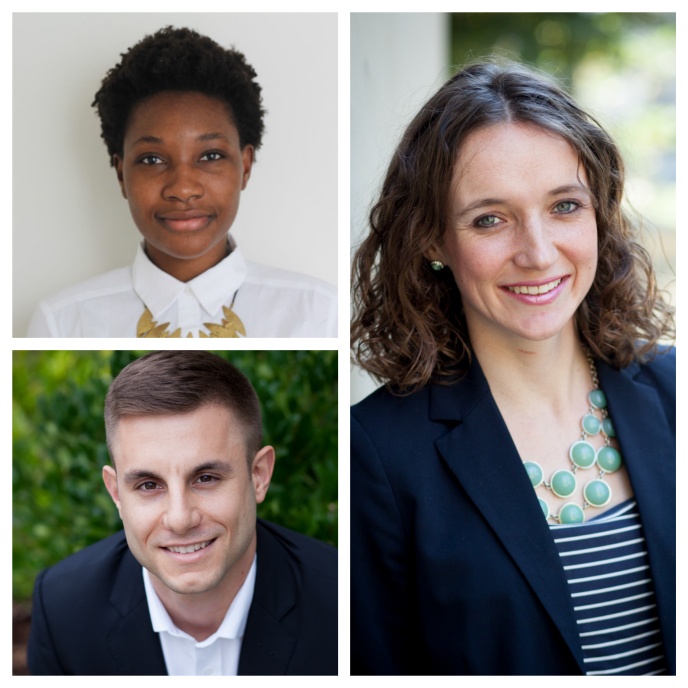
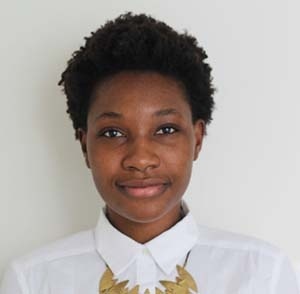
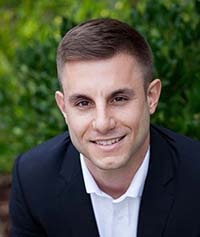
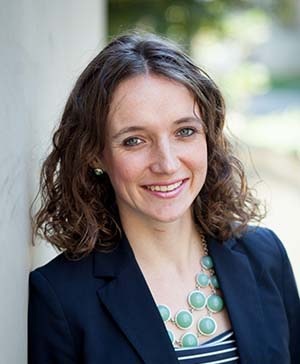
![]() Nearly half of this year's class entering full-time MBA students received scholarships totalling a record $6.7 million. In all, 113 of the 233 new students received awards ranging from $5,000 to $180,000 for two years of coursework—with an average award of $30,000 for their first year. Dozens of scholarships based on need, merit, career area or committment to diversity are offered every year through Berkeley-Haas, UC Berkeley, and outside organizations. We spoke with three winners of some of Haas' most prestigious scholarships about what brought them here, and what they plan to do with their education. Hadiatou Barry, MBA 17 ![]() Jacobs Foundation Fellowship: These $180,000 grants are awarded to individuals pursuing careers in social impact and who have a minimum of three-to-five years of work experience. Hadiatou Barry has a big goal: improving girls’ education in Francophone West Africa. “Everything I’ve been able to do is because of education,” she says. Born in Guinea and raised in Senegal and Cote d’Ivoire, Barry initially thought she was cut out for international relations and diplomacy. After getting her undergraduate degree at Georgetown, she worked at an organization that ran economic growth projects in half a dozen countries in Africa and Latin America. The projects had real-world impacts, like helping farmers maximize efficiency but also making sure they have someone to sell to. Seeing the way that leveraging the private sector can lead to actual results was what changed her path. “I think it’s why I started thinking about business,” she says. But it wasn’t until she attended a meet-up of Nigerian women entrepreneurs that she realized it was time to branch out on her own. “Why is it that I’m not doing something now?” she remembers thinking. Business school may not seem the typical way to work on improving girls' education, but for Barry, it's the perfect place to embark on such a project. “I’m approaching business school as an incubator,” she says. But not any business school would do. It was the kind of thing she felt she could only do at Haas, where she has met other students with similar long-term, far-thinking goals. “I don’t think that’s something you’ll find in most business schools,” she says. She’s already planning out a prototype project for summer, where she’ll test what types of supplemental education can really benefit her target population, and get feedback from partners, parents, and the girls themselves. In the meantime, she’s starting a podcast with a group of classmates to highlight the stories of the diverse people she’s met at Haas. “Haas students love stories, and we all come from such very different backgrounds,” she says. For Barry, Haas is the kind of place where she can do all she planned—and more. “It’s a dream come true,” she says. ![]() Steve Erario, MBA 17 David S. Ng Fellowship: This $110,000 fellowship is awarded to students who exhibit strong potential for business, economic, or governmental leadership in their home country. Without a doubt, a person’s background shapes their future. But not always in the way you’d expect—at least, that’s how it is for Steve Erario. He grew up in what he describes as a privileged existence in Connecticut, yet as a child, he realized there were many things wrong with the world, and those things needed to be fixed. Erario isn’t even sure himself why that realization hit him so hard, but it proved to be much more than a childhood phase. It led him into non-profit and volunteer work—first as a high schooler convincing his school to recycle, then a summer internship with the town of Waterville, Maine while a student at Colby College. That experience was Erario’s first glimpse that changing the world might not be as easy as he thought. After toiling all summer on a report that only got shelved, he decided to take action himself. While still an undergraduate, he raised $250,000 to form a non-profit that allowed business, govenment, and community groups to partner around improving the environment and economy in Maine. The organization has continued to work with the city to start a public transit program, set up urban gardens, and promote energy efficiency in homes. It was that last element that proved a turning point. Since then, Erario has been working in the green-tech industry, both for the state of Maine and in the private sector, focusing on solar energy and carbon trading policies. Having tried the public and non-profit sectors, Erario realized that neither was the right place for him. But it had never occurred to him to go to business school—until a mentor suggested it. “I guess that’s what mentors are for,” he says. Once the idea had planted itself in his mind, he realized it was a great choice. But he had to find the right place, one that would support him in his desire to help the world and not treat that fundamental drive as a cliché. He found that at Haas the first time he read the founding principles. Although that wasn’t all he mentioned in his admissions interview: Erario admits to having mentioned that his friends had told him that as a Prius driver, yoga lover, and green-smoothie drinker, he had to go to UC Berkeley. And it did turn out to be true that there are a lot of Priuses. But for him, Haas has so far proven to be the kind of place he was looking for—where dedication and innovation can go hand in hand. “I think it’s a place for innovators and people who are blazing their own path,” he says. Carrie Gladstone, MBA/MPH 17 [b] ![]() [/b] Brian Maxwell Fellowship: This $80,000 fellowship is awarded to individuals who have demonstrated entrepreneurial spirit and a drive to create and implement innovative projects, products, and ideas. It was established in memory of Brian L. Maxwell through the generosity of Jennifer Maxwell. Sometimes it's chance meetings that change a life. Sometimes it’s long relationships. And sometimes—like for Carrie Gladstone—it’s both. “I start with family because that is where my values come from,” Gladstone says. The dual-degree candidate is thinking ahead in more than one way, following her passion for the issues around aging and the elderly into a dual degree program. She has a clear goal: to help change the way society deals with how we age. “We’re not very well-prepared to empower older people,” she says, noting that we also have a lot to learn from older people. Gladstone believes that with the demographic shift towards an aging population, better structures and systems need to be in place to support the elderly. She means to be one of the people putting them in place. “The piece I really care about is ensuring meaning and purpose across someone’s life,” she says. Her interest in aging has developed over the years, partly inspired by her own grandparents—two of whom are still alive and in their 90s. “My grandma has an iPhone,” she says with a laugh. It was also deepened by a friendship she developed when volunteering to visit older people who lived alone. One woman she met became a close friend over the two-and-a-half years Gladstone paid her weekly visits. They’re still in touch. “I’m carrying her umbrella,” she says. Choosing to go to business school was something Gladstone approached with just as much deliberateness and strategy as she did developing large fundraising projects as an undergrad at Georgetown, or working as a consultant at Deloitte. She knew she wanted to combine a business degree with another speciality, but was not sure which one: she investigated social work and even shadowed a nurse practitioner before settling on public health. Her clear focus finally led her to Haas as the best place to realize her plans and devise a new way to tackle the issues she is so involved in. “This is a luxury, to be here in this amazing place that is about disruption,” she says. —Maya Mirsky ![]()
|
| FROM Haas Admissions Blog: What we're thankful for at Berkeley-Haas: 7 Things |
![]() The holidays are a perfect time of year to reflect on what we’ve been given, and what we can give back. With a devoted staff, inspiring faculty, and diverse and talented students, we at Berkeley-Haas have a lot to be thankful for this year. In keeping with a season that incites an attitude of gratitude, we've gathered together a list of things we're grateful for. Though we could have made a much longer list, we’re especially thankful for… 1. Unique learning opportunities You may have heard the saying, “if it doesn’t challenge you, it doesn't change you.” Life is full of opportunities to learn, to try, to be something new. We believe in providing students with hands-on experiences in stimulating environments, like this year’s tech challenge with Facebook, our executive MBA program's field immersions, and the academic retreat in our Evening & Weekend MBA Program. 2. Creation and innovation Who said trying to reinvent the wheel was a bad thing? We’re thankful for those who introduce new ideas to old systems. We’re especially thankful to have some of those very minds affiliated with Berkeley-Haas, like alumni Patrick Awuah, who recently received the MacArthur Foundation’s coveted “genius grant.” We welcome students, alumni, and faculty who encourage us to re-envision—and improve—what we already know. 3. Diverse voices and perspectives The demographics of today's workforce is changing, and student bodies are becoming more diverse. We appreciate the power of a student body that offers differing perspectives and backgrounds. Our Gender Equity Initiative, which focused on admissions outreach to female applicants, demonstrates our commitment to a diverse class; as of 2015, our full-time MBA program has one of the highest female student ratios among top business schools. 4. Leaders who inspire us Whether they’re in the classroom, the workplace, or the news, leaders have a powerful, yet sometimes quiet, way of differentiating themselves. They draw our interest and attention, and they inspire us to think of what we could be. We’re inspired by many such leaders here at Berkeley-Haas, including Professor Emeritus and Federal Reserve Chair Janet Yellen. 5. Rewarding careers and professional development We think having a stimulating career is critical to both personal and professional fulfillment—and The Economist agrees. In its 2015 ranking of top full-time MBA programs, the publication weighted new career opportunities and personal development, along with educational experiences, as its two most important factors. The Haas School ranked #5 in the nation, demonstrating our ongoing career support for students and alumni. 6. Cooperation and co-creation If two heads are better than one, then a community of bright and service-oriented minds is unbeatable. At Haas-Berkeley, we want the educational opportunities on campus to benefit communities near and far. That’s why Berkeley-Haas partnered with Philanthropy U to debut free online courses to over 100,000 students globally. 7. Breakthroughs that shake up the status quo Every so often, research reveals something that wows us. It might contradict what we thought we knew, or invite us to view the world differently. These breakthroughs keep life interesting, keep us guessing, and unlock unknown potential. And breakthroughs don’t happen without fearless thinkers and dedicated pioneers, like Assistant Professor Ming Hsu, whose work with psychology, technology, and analytics promises exciting applications for marketing insights. We're also thankful that this list reflects much of what students experience at Berkeley-Haas. Want to learn more? You can start by comparing the Berkeley MBA programs. ![]()
|
| FROM Haas Admissions Blog: PART-TIME MBA GRAD “PUTS ENTREPRENEURSHIP INTO PRACTICE” |
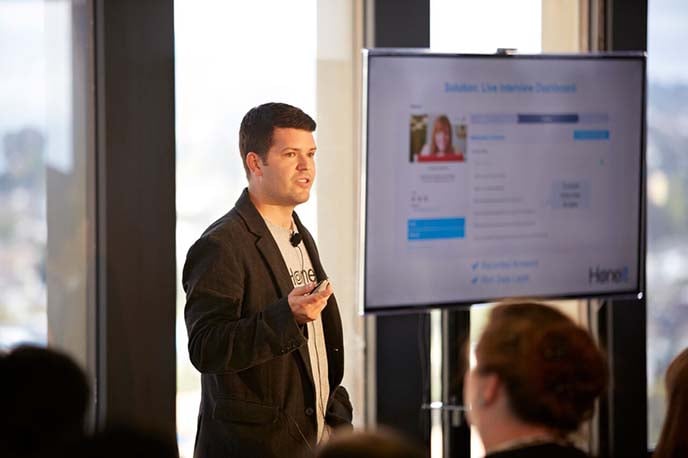
![]() Succeeding in a part-time MBA program requires three things: a willingness to change your life, the ability to juggle competing demands, and the ability to focus on your priorities. Those same qualities, says Nick Livingston, are traits needed succeed as an entrepreneur. That’s just what he is doing as one of the founders of Honeit.com Nick, an experienced recruiter and graduate of the Evening & Weekend Berkeley MBA Program, was the “non-technical guy” senior engineers James Craft and Kim Duong were looking for when the three met via angel.co. The Honeit, live interview platform helps hiring teams streamline the process of screening candidates to save steps and reduce misinterpretation and bias. “Having been the first recruiter at TubeMogul, I experienced the rocket-ship thrill of a startup taking off and learned a lot from the founders,” Nick says, “but I saw a real opportunity to re-engineer the hiring process. ” He’s using a lot of his classroom learning on the job. “I had a lot of ah-ha moments in Organizational Development, understanding all the different ways to motivate and reach people. In Tek Ho’s Pricing class, I was fascinated to learn how intertwined human behavior and psychology are with what I’d though of as mostly financial decisions. Professor Holly Schroth’s Negotiations class gave me a whole new set of models to use in salary discussions, when asking for resources, and people management decisions.” Honeit, an alumnus of UC Berkeley’s SkyDeck accelerator, is focusing on customer development and plans to open a seed round. “Knowing where to go, who to ask, how to calibrate your pitch are challenges,” he admits. “But we thrive on that. I love going to work knowing that every day is different.” The classes, networks, and resources found at Berkeley-Haas have helped Livingston, and many other graduates “put entrepreneurship into practice.” ![]()
|
| FROM Haas Admissions Blog: Part-time MBA Grad "Hones" Entrepreneurship |
![]() Succeeding in a part-time MBA program requires three things: a willingness to change your life, the ability to juggle competing demands, and the ability to focus on your priorities. Those same qualities, says Nick Livingston, are traits needed succeed as an entrepreneur. That’s just what he is doing as one of the founders of Honeit.com Nick, an experienced recruiter and graduate of the Evening & Weekend Berkeley MBA Program, was the “non-technical guy” senior engineers James Craft and Kim Duong were looking for when the three met via angel.co. The Honeit, live interview platform helps hiring teams streamline the process of screening candidates to save steps and reduce misinterpretation and bias. “Having been the first recruiter at TubeMogul, I experienced the rocket-ship thrill of a startup taking off and learned a lot from the founders,” Nick says, “but I saw a real opportunity to re-engineer the hiring process. ” He’s using a lot of his classroom learning on the job. “I had a lot of ah-ha moments in Organizational Development, understanding all the different ways to motivate and reach people. In Tek Ho’s Pricing class, I was fascinated to learn how intertwined human behavior and psychology are with what I’d though of as mostly financial decisions. Professor Holly Schroth’s Negotiations class gave me a whole new set of models to use in salary discussions, when asking for resources, and people management decisions.” Honeit, an alumnus of UC Berkeley’s SkyDeck accelerator, is focusing on customer development and plans to open a seed round. “Knowing where to go, who to ask, how to calibrate your pitch are challenges,” he admits. “But we thrive on that. I love going to work knowing that every day is different.” The classes, networks, and resources found at Berkeley-Haas have helped Livingston, and many other graduates “put entrepreneurship into practice.” ![]()
|
| FROM Haas Admissions Blog: Teams at Berkeley-Haas: MBA Students Learn With—And From—Each Other |
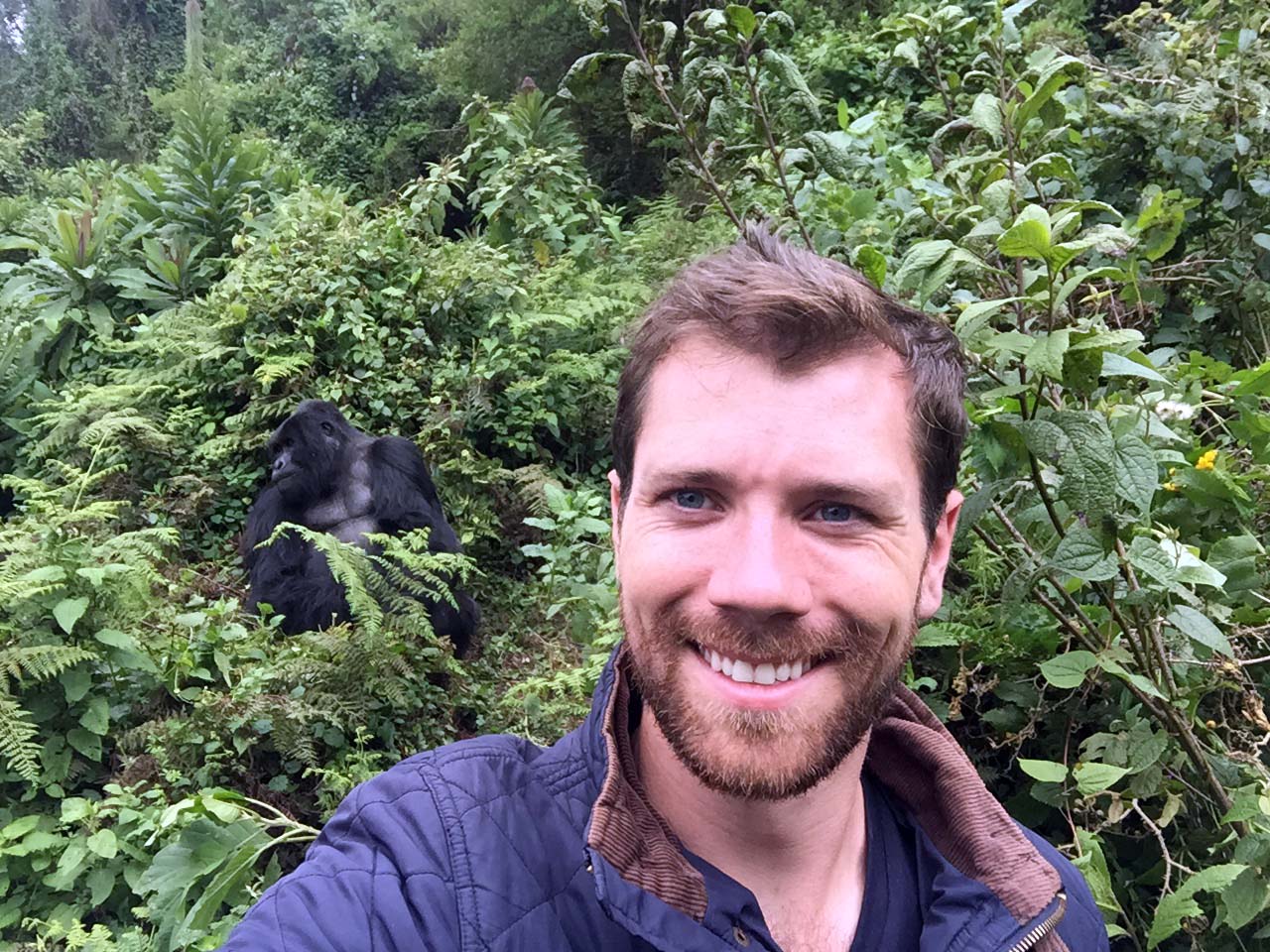
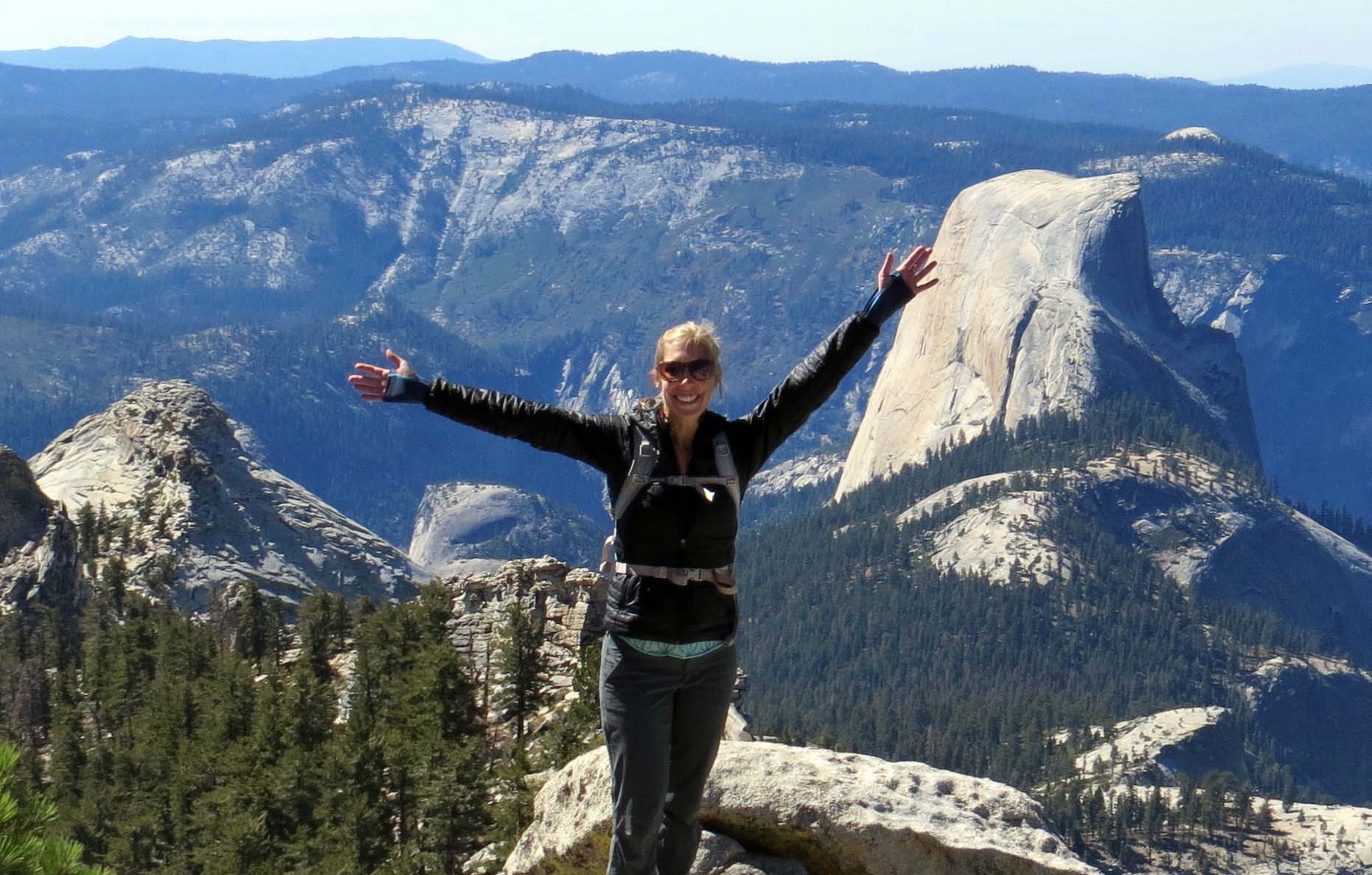
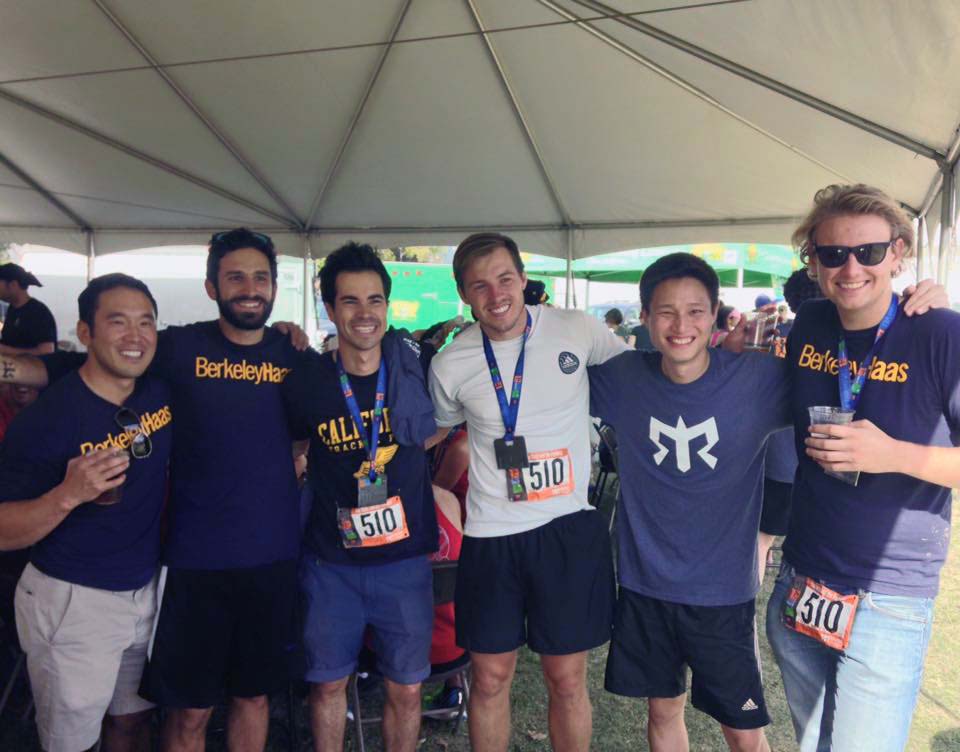
![]() What would you do if you had to solve the California drought in just 6 weeks? Unless you happen to be a drought expert, you'd probably recruit some help, collaborating with experts from different industries. And from their diverse perspectives, perhaps you'd manage to formulate a plan. But as with many circumstances in life, you wouldn't, and couldn't, do it alone. At Berkeley-Haas, we have a longstanding tradition of uniting great, ambitious minds from every industry. We're proud to be a diverse MBA program, one that goes beyond demographics and statistics to value a wide range of life and work experiences. In the Full-time Berkeley MBA Program, our study teams exemplify the potential of what can happen when students with varying backgrounds and experiences collaborate to come up with creative, strategic solutions to current crises—like the California drought. At Berkeley-Haas, you're not just learning with your fellow students—you're learning from them, drawing on your own valuable experiences, while gaining insights from your peers. Here's what five of our students have to say about who they are, what they contribute to their teams, and how their teammates value them: ![]() George Roche (pictured in Rwanda during his International Business Development consulting engagement) came to Berkeley-Haas with four years of consulting experience at Deloitte, with a focus on government strategy and operations. George also took a 4-month sabbatical to start a social impact Ethiopian hot sauce company, an endeavor that enables him to be a leader for his group on food industry-related assignments. But George adds that each of his teammates contributed with their own perspectives: "We would all work collaboratively on assignments, drawing from our experiences to apply them to the problem." ![]() Bostonian team member Christie Howe (in Yosemite) also offers industry-specific insight, with past work at an energy analytics startup. "I’ve enjoyed bringing my own unique voice to the table as a woman in the energy industry," she says. And there's also a more social role that each member fills. "I help keep up momentum on the team," says Christie, "whether that means acting as scribe, engaging people in discussion, taking a step back to be thoughtful about the needs of the group, or providing positive energy if we are lagging." ![]() Aurelio Martinez Kalifa, from Monterrey, Mexico, believes his previous experience in banking, as well as his community involvement in Mexico gave him transferable skills to work well in a small team. "Growing up, I was very involved in giving back to my community in Mexico, as I had a lot of opportunities other didn't. I came to understand that if we all work towards a greater good, good things will happen." And Aurelio (2nd from left with his Haas Ragnar Race team) feels supported and appreciated by his teammates. "Everyone is able to be genuine and original. There is something special about the culture at Haas!" Mario Siewert, from Cologne, Germany (pictured above in in the center of the "A"), also feels his background as a consultant at McKinsey gave him applicable skills for study team assignments. Once responsible for extracting relevant information from large data, it makes sense that Mario now leads his teammates in forming quick hypotheses. "My role is often to keep the group efficient after the ideation phase, meaning to quickly move from broad and creative thinking to insight extraction and hypothesis building," he says. And fellow study team member Cameron Scherer, who came to Berkeley from Washington D.C., brings a more qualitative skill set. Cameron believes her previous nonprofit work polished her research and writing abilities, as well as provided a political awareness of the business world. This very perspective helped Cameron make thoughtful contributions to her team when it came to presenting a solution to California's drought. "I helped my team think beyond individuals' daily usage of water to consider a solution that would address the underlying root causes," she explains. While we can't claim to have solved the drought, our MBA study teams continue to tackle real-world issues by playing out Berkeley's Haas's Defining Principles. By questioning the status quo with bold, innovative ideas, and going beyond themselves to lead ethically with others' interests in mind, we're confident they can be part of impactful solutions. To learn more about the Full-time Berkeley MBA Program, including more on how we use teamwork in our curriculum, visit our website. ![]()
|
Success stories and strategies from high-scoring candidates.