| Last visit was: 11 May 2026, 11:22 |
It is currently 11 May 2026, 11:22 |
|
|
Customized
for You
Track
Your Progress
Practice
Pays
| FROM Tuck Admissions Blog: “Being an international student at Tuck means a lot to me” |
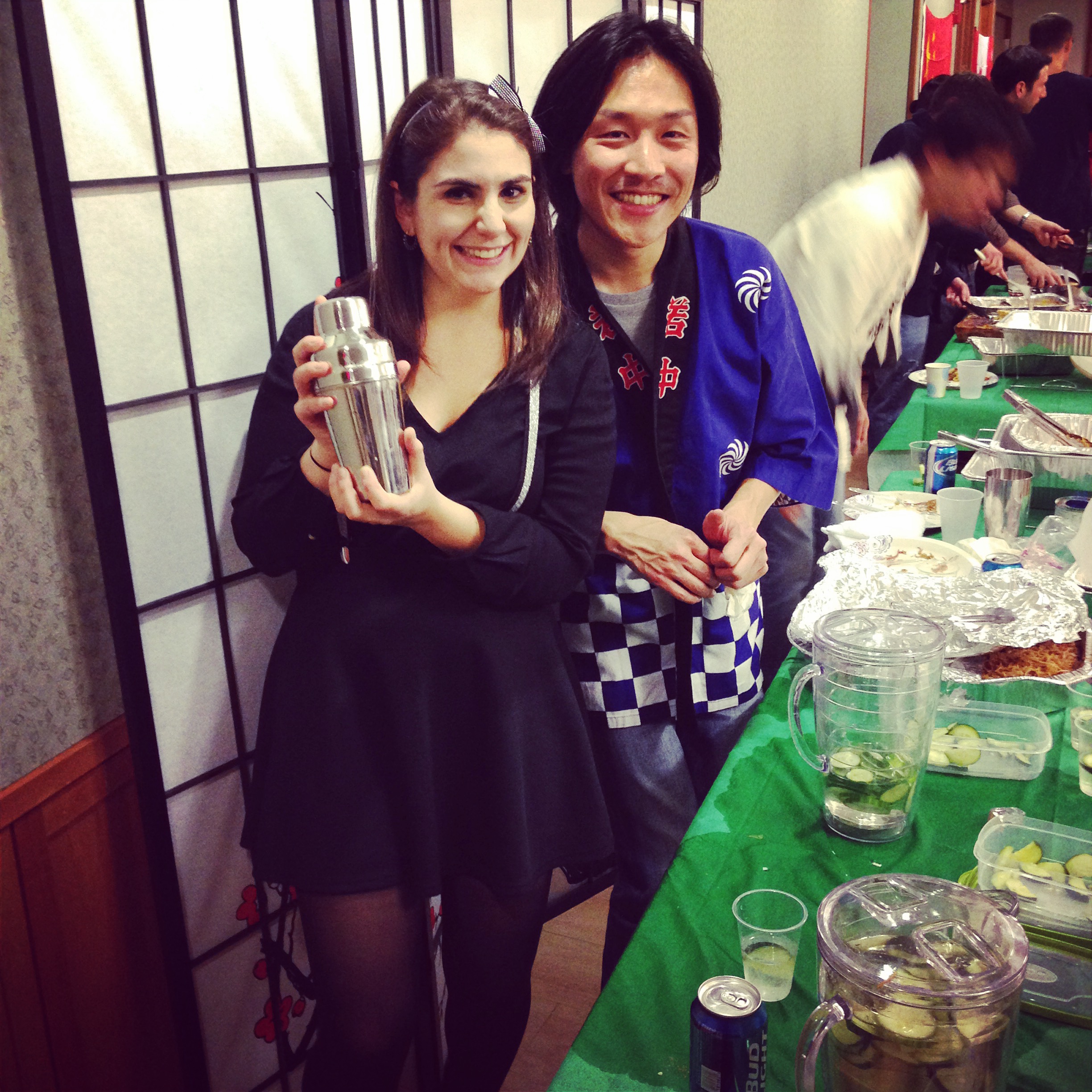
![]() By Ken Yoshida T’15 Ken is a second-year student originally from Tokyo, Japan. Prior to Tuck, he worked in the energy division of a Japanese conglomerate. At Tuck, he enjoys all the moments he spends with his classmates, including visiting friends’ hometowns. Last summer he became a big fan of Seattle, and the next place he wants to visit is Alaska. Being an international student at Tuck means a lot to me. I am certain that my experience would have been very different had I chosen a different school. There are many research studies that show people from the same race stick together whenever placed among a large group of people. I am from Japan, however, at Tuck, I do not think that I spend more time with Japanese friends than with friends from other countries. I also do not think that I necessarily spend more time with Asians than with Americans. I simply spend time with friends, and nationality does not really matter. But why? Tuck is a small but close-knit community. In the first year, most of those who are single live in dorms. Almost all students who have partners live in Sachem Village. In the second year, students in the dorms move off campus and opt to live with classmates somewhere nearby. What does this mean? It means that we’re always together with our classmates: on campus, during class, after class, during hockey games (hockey is a favorite pastime at Tuck!), in bars, during house parties, on weekends, and so on. For longer holidays, we plan trips with classmates. When I think of my first year at Tuck, I cannot think of a time when I was not with my classmates! And, most importantly, because the class size is small, we know everyone on campus. So now you know the magic of Tuck. People are so close to you and all faces are familiar. That’s just how it is. We really don’t have the time to think about race or nationality before finding a friend. Whenever I talk with my Japanese friends outside Tuck, I hear how international students find themselves with friends from the same country, even though there are far more Americans and other students that they could potentially befriend. I would have been in the same situation, but luckily, the magic of Tuck led me in a different direction, and I am very happy about this. Right now, I cannot stop thinking about my next spring break when I will be traveling with (of course) my classmates. I always learn the most from them. |
| FROM Tuck Admissions Blog: Going Global |
|
Tuck students have always been well traveled. Starting with the Class of 2017, they will be challenged to expand their travels even more. The new Global Insight Requirement offers students three different options to immerse themselves in a new culture, helping them learn to operate outside of their comfort zone and develop their ability to work globally. All Tuck first years participate in the First-Year Project (FYP) and, while not all projects require travel, FYPs that involve significant travel outside the U.S. (for U.S. citizens) or expand international students’ understanding of U.S. business practices can qualify for the global requirement. Students have done some amazing projects, including working with Worldreader in Ghana and Blue Ventures in Madagascar. The Center for Business & Society’s blog connects you to multiple posts by the Worldreader and BV FYP teams, with some great insights on their adventures and learning. First- and second-year students can experience the business culture of another country through the very popular Global Insight Expeditions (GIXs). They’re wonderful opportunities to get to know about 20 classmates and a faculty member very well, as you travel together for almost two weeks. Students have traveled to Brazil, Japan, Spain, South Africa, and many more places for the GIX. Lisa Miller, the GIX program director, wrote a great blog about faculty involvement in GIXs just a week ago, highlighting the incredible access to our impressive faculty Tuck offers. OnSite Global Consulting provides students with the chance to get hands-on experience consulting in another country for a wide variety of global clients. Project teams conduct initial work at Tuck, then spend approximately three weeks in-country to collect data, conduct interviews, and perform site visits regarding their projects, then return to Tuck to analyze and present their findings to the client’s leadership group. Over 180 teams in 55 countries have led projects on childhood malnutrition in five different countries with a Geneva-based nonprofit and improving food security in coffee-growing communities in Nicaragua. Even while you're in Hanover, you'll expand your global understanding, through classes like Global Economics for Managers, events like Highlight Week: Africa 2013, and our renowned close-knit and diverse community with over 30% of the student body and a quarter of the faculty from outside the U.S. |
| FROM Tuck Admissions Blog: Beautiful Chaos: Fall A |
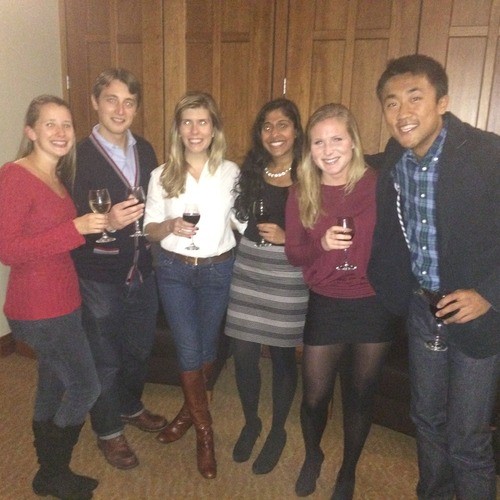
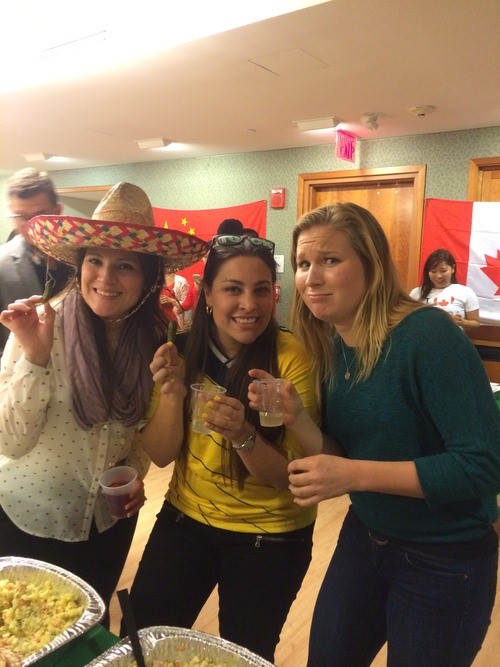
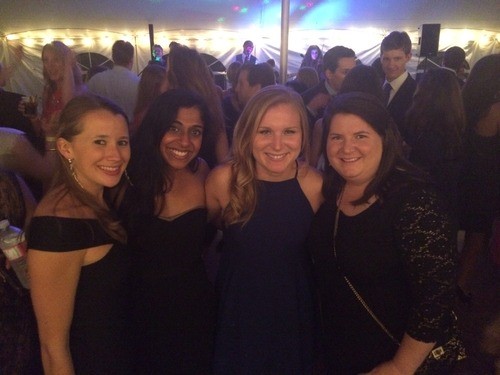
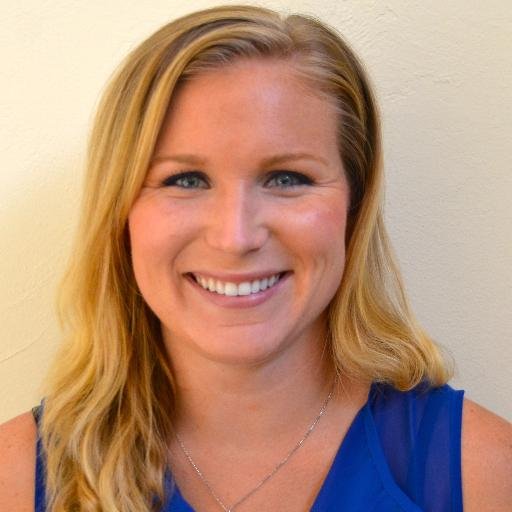
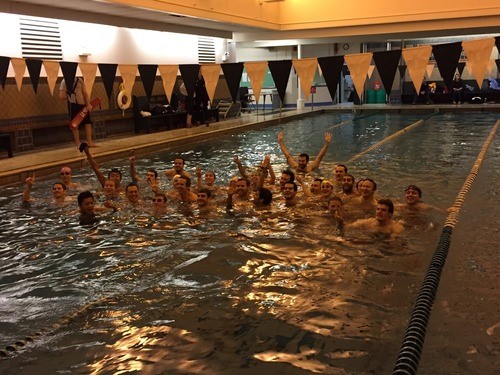
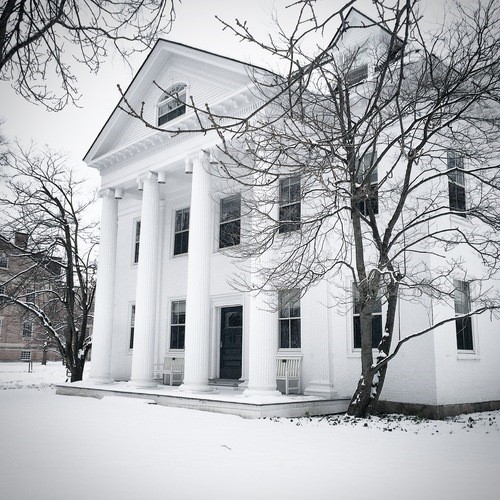
![]() By Kiley Winsnes T'16 ![]() Kiley is a first-year student at Tuck. Before arriving in Hanover, she was living in stunning San Francisco and working for an integration software company. Originally from Chicago, Kiley spent her formative years in Seattle before chasing the California sunshine for her undergraduate degree in economics and religious studies. After Tuck, she hopes to get a job that combines two of her passions: fitness and technology. Outside of the classroom, Kiley enjoys running, road biking, writing, and the beverages of her two home cities: coffee and wine. Kiley can be contacted at [email protected]. Follow her on Twitter at @kileywins. Change, we all know, is the only constant. Except clichés, those are also pretty constant, apparently. Despite all that change, though, I write this while sitting on the very couch where, a year ago today, I answered a phone call informing me that I had, indeed, been accepted to the Tuck School of Business. It’s where I studied for the GMAT, where I wrote my application letters, and where I sat, crying, as I called my parents to tell them the news. It’s also where I lay with my best friend, just a few short months ago, as we both sobbed about my impending departure. This couch, I realize, has seen me through quite a few big moments. It feels right to be sitting here now, back in San Francisco after finishing up our fall term at Tuck, reflecting on the beautiful chaos that’s characterized the adventure thus far. It was an insane four months (can it really have been only four months??), but we survived—survived a four-week torture sentence known affectionately as “Fall A,” and tumbled head-first into the relative marathon of Fall B. We dressed up: in togas, and Halloween costumes, running shoes and race bibs, animal onesies and ugly sweaters, cocktail dresses and three-piece suits. We biked, hiked, ran, swam, skied, and ate way too much Boloco. We went out: to Murphys. We went to Skybox, the Coop, the Treehouse. We were, for the most part, ecstatic; in love with our new lives, but intermittently also sad, scared, stressed, overwhelmed, homesick, lonely. We drank, and we danced. My god did we dance. We began friendships and learned lessons we will take with us long after we’ve left this magical place. It’s been a grand adventure already, and so much more lies ahead. As I look back, a few highlights stand out: Fall Formal. Speaking of dancing. Oof, did we ever. We dressed up, walked through the woods in heels to the ever-so-creatively-named “Big Empty Meeting Area,” promptly removed aforementioned heels, and danced until someone told us we had to leave. Moosilauke. Our retreat even farther into the middle of nowhere. A glorious day hike to a frigidly cold peak picnic, followed by a night of fun and, you guessed it, dancing. Black Light. We crammed ourselves into Cohen, turned off all the lights, passed out highlighters, and let things get weird. Oh yeah, there was also dancing. Fall Fun Trek. Some of us went to Boston, others to New York, productively meeting with companies, trying to secure internships. Ha. The rest of us went to a cabin in the woods, climbed Mt. Whitney, and played a surprisingly strenuous game involving only a paper grocery bag. A shocking lack of dancing for such a fun weekend. So we had some fun this fall. And in between the grand events? There were the everyday lessons, the slog of recruiting and the pain of adjusting. There were the instant friendships, the budding romances, the subtle strengthening of bonds we’ll keep for the rest of our lives. In between the parties, the great adventures, was the meat of it, the space where the true learning lives. Just a few that stand out for me: Adjusting is hard, but you’re not alone. Coming to Tuck was not a minor decision for any of us, and though orientation and Fall A were filled with fun, and though we were surrounded by kind, generous classmates, those first few weeks were tough, and no one was talking about it. We were all inundated with the messaging that Tuck is an amazing place (and it is!), but what no one felt comfortable saying was that, no matter how amazing our new home was, it was okay if you were exhausted, homesick, unsure, or just generally sad. Tuck is an amazing place, but it’s also an overwhelming place, with a million different tasks and activities constantly vying for your time and attention. It’s a lot to take in all at once, and when you add in the emotional challenge of being uprooted from everything you’d become familiar with, it’s borderline insane to imagine anyone making the adjustment seamlessly. There is no place quite like Tuck. I’ve said it before (a lot. I know. Deal with it.), and I’ll keep saying it. This place is as unique as they come. A lot of it has to do with the location, yes, but it’s more than that. The deep immersion that Tuck requires of each of us creates a tightness that one can only liken to, oh, something akin to the threads of a well-knit fabric, maybe? Grades. Don’t. Matter. (But learning does). We all swear we’ve internalized it, but when push comes to shove, some of us (fine, me. It’s me. Happy?) are still stressed about grades. But really, they don’t matter. Our performance in classes will never be disclosed to our future employers, and it’s unlikely than most (if any) of us will attend another academic program in our lives. Our transcripts will almost certainly never see the light of day. That being said, though, the skills and knowledge we’re gaining from our classes are not only pragmatic but also paramount to success in the careers we’ll be entering. So, while our grades may not be important, internalizing as much as we can in each class absolutely is. These will be the most unique two years of our lives. Never again will we have an opportunity even remotely similar to what we’re experiencing now. We’re surrounded by driven, intellectually curious people excited to share their interests and experiences with us. We have time (okay, some will disagree with me there) to try new activities, pick up new hobbies, and generally learn about topics that pique our interest. Our careers are, for the most part, ahead of us—a long road of opportunity that Tuck has only served to widen. We are very, very lucky. It’s easy to forget while we’re heads-down studying for exams, or frantic over the approach of interviews, but we’re living the dream. We’re at a top-tier program in a stunning Northeastern town, meeting friends we’ll keep for the rest of our lives. But even more than that, we’re lucky enough to be in a place in our lives where we’re able to take two years off from, well, life, basically, and invest 100 percent of our time and attention in ourselves and our careers. It’s a very, very unique opportunity, and we are beyond fortunate to have been able to take it. The only real job we have for the next two years? Appreciating it as much, and as often, as we can. So I guess you can say I’ve learned a little in the past few months. Learned a little, and danced a lot. I can’t wait to see what lessons and adventures still lie ahead. Happy Hanukkah (/Chanukah/Hannukah/Hebrew is hard to transliterate), Merry Christmas, and Happy New Year. *Main photo: Fall Formal with Peru ladies. ![]() Section wars swim challenge. We lost. ![]() And then the snow came. ![]() Fall wine night with Peru people. ![]() Trying new things at International Night. Spoiler: I don’t like it ![]() Morning run back in San Francisco. |

| FROM Tuck Admissions Blog: Tuck Students Venture to Silicon Valley |
![]() ![]() By Avi Sethi T’16 The summer before I arrived at Tuck, I left my job as a strategy consultant in order to try my hand at venture capital. Having been a former high school math teacher through the Teach For America program, I found an opportunity at the NewSchools Venture Fund in Palo Alto, Calif., which was investing in early stage ed-tech startups. Having received a taste for what the venture capital space was like—and absolutely loving it—I decided to further explore it once I arrived in Hanover. Even early into the fall term, it was clear that despite venture capital being such a small industry, Tuck (and the broader Dartmouth community) punched above its weight. Among the many visitors we had on campus were John Taylor T’79, head of research for the National Venture Capital Association, the Washington D.C. trade organization that represents the venture capital industry, and Peter Barris T’77, managing partner of New Enterprise Associates, the largest venture fund in the world. I was fortunate enough to have shared a meal with both of them, which is one of the fantastic things about being at a smaller school. Inspired by their words, I reached out to see if others were interested in further exploring the VC space with me. While nearly 50 students responded with interest, four other first-years—Robby Greer, Elizabeth Jin, Alex Kremer, and Mat Sevin—offered to work with me in developing some sort of a trek. With venture capital being such a tough industry to break into, and with the economy having only now started to recover more noticeably, over the past five years there hadn’t been the sort of formalized trek we were hoping to put together. We started by compiling a list of nearly 100 VC firm names in the hopes of landing at least five to six meetings. As it turns out, we barely needed 15 names; the alumni we reached out to were super responsive and excited to host us—further evidence of the great Tuck alumni network we had heard so much about. Our team, advised by Tuck’s Career Development Office as well as Tom Naughton D’89, T’96, executive director of the Center For Private Equity and Entrepreneurship and a former venture capitalist, designed the trek so that we could see the venture space from different angles—meeting with mega funds, seed funds, impact investors, and everything in between. By spending a few hours each month strategizing, planning, and marketing the idea, our team developed a trek that would have us meeting with 10 different funds over the course of three days in Silicon Valley. All told, a dozen Tuckies would join us as we visited the following VCs: The NewSchools Venture Fund, Accel Partners, New Enterprise Associates, Pinnacle Ventures, Crosslink Capital, Canaan Partners, Norwest Venture Partners, Felicis Ventures, Imprint Capital, and DBL Investors. Together these funds were responsible for investments in a who’s who of Silicon Valley’s best startups—Dropbox, Facebook, Fitbit, Kayak, Khan Academy, Revolution Foods, Solar City, SpaceX, Spotify, Tesla, and many, many more. ![]() Another great feature of the trek was its timing. We decided to host our trek at the same time as Tuck’s annual technology trek, one of the school’s most popular career-based events, with approximately 75-100 students flying from Hanover to San Francisco at the conclusion of fall finals. This year’s tech trek included visits to Google, Facebook, IDEO, Tesla, EA, Intel, Square, and many more. Students on this trek also spent a day in Seattle visiting the headquarters of Microsoft, Amazon, and other Seattle-based tech firms. By holding our trip at the same time as the tech trek, we were able to pick and choose different meetings to attend and maximize our time in the Bay Area. I attended an early-morning meeting at IDEO, had lunch at Google, met the new CMO of Facebook, and attended a happy hour at The Parthenon Group’s office overlooking the Bay as the sun set in the background. Fast forward to the final day of our trek, where we found ourselves overlooking the beautiful rich-green trees in Palo Alto from the office of Norwest Venture Partners. Up to that point, we had zigzagged between Menlo Park, Palo Alto, and San Francisco for three days. No two firms were alike. Each has its own unique ethos, culture, and investing thesis—the common bond being the incubating of the tech community (and yes looking for a positive ROI). Each fund gave us different advice and perspectives. Some talked about a day in the life of an associate. Others walked us through their investment logic behind specific deals. A few gave us a macro view of the venture capital industry and where it was going. If the trip had ended there, we all would have been more than content. That is when Jeff Crowe D’78, walked in. Jeff, the managing partner at Norwest, started out by mentioning how happy he was to meet with us. He had flown back from New York City the night before, narrowly escaping inclement weather. Jeff, who also happens to annually make the Forbes Midas Touch List of top venture investors in the world, mentioned how he had just returned from visiting the New York Stock Exchange. An entrepreneur he invested in some years ago was now ringing the bell on the IPO of his company, Lending Club! Having totally captured his audience—I mean seriously, could there have been a cooler introduction?—Jeff started to tell us parts of his life story. He too had come to the West Coast from Hanover. After initially finding success on the operations side of a technology company, Jeff moved into entrepreneurship and later into investing. While Jeff did reaffirm that that there was no one way into VC (and that it was still very hard to break into), it was clear from his path that if you made a career in tech and kept your ear to the ground, opportunities would arise. Jeff also laid out clear principles for establishing a truly sustainable career. He laid out realistic timelines and told us how to best leverage the Tuck-Dartmouth network and our unique skillsets. At this point, a lot of the great advice we had received throughout the trip became contextualized. The main point was that when you treat technology as both the launch pad and destination for your career, opportunities in your area of interest—whether startups, venture capital, or large tech firms—will arise. From there, it’s up to you to make the most of them. For those of us who attended the trek, the message was clear: Keep doing what you are doing. The gumption that got this trek off the ground is the same sort of resourcefulness we will need as we work to break in and ultimately succeed in this space. As the trek concluded, we all agreed this had been a wonderful learning opportunity and we were already thinking of ways to make the trip even better next year. |
| FROM Tuck Admissions Blog: OnSite Global Consulting: Selamta Family Project in Ethiopia |
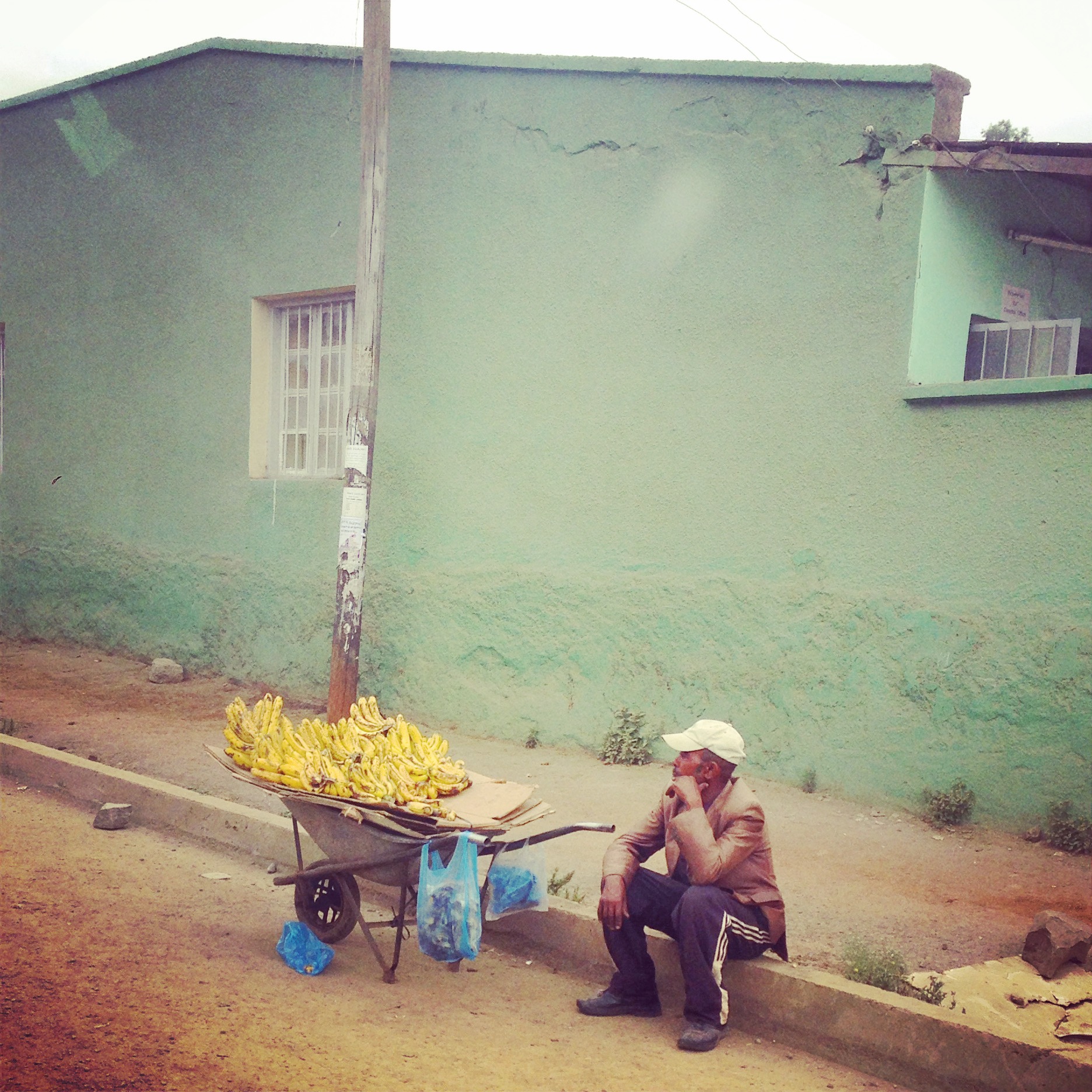
![]() By Sara Paccamonti T'15 Sara is a second-year student at Tuck. She attended the Wharton School at University of Pennsylvania for her undergraduate degree. Before Tuck, Sara worked as a management consultant for the Boston Consulting Group (BCG) in both Chicago and Sweden. After Tuck, Sara will return to BCG in the Stockholm office. For three weeks this December, five Tuck students travelled to Addis Ababa, Ethiopia to help the Selamta Family Project design a transition model for children ready to move to independence. Selamta is a nonprofit, orphan care organization that places orphaned or abandoned children in new home settings, with a group of 6 – 10 children living together with a mother. Some of the children of Selamta are nearing adulthood and are ready to join university or vocational programs. Our project was to help Selamta figure out how to best support the kids in transition. Selamta has strong Upper Valley roots, and we all really enjoyed working with an organization that has such an impactful mission. Over the three weeks, we interviewed over forty Selamta kids, Selamta mothers, local government officials, program directors at universities and vocational programs, and staff from the US Embassy. We ate dinners with Selamta families and learned how to prepare coffee in the traditional Ethiopian ceremony. On the weekends, we explored Addis Ababa and trekked through the Simien Mountains. One morning, we watched hundreds of Gelada baboons climb up over the cliffs to start their morning grazing. We packed quite a bit into a short few weeks! Ethiopia is an interesting place with an incredibly rich history. As both part of the cradle of civilization and a communist republic until relatively recently, Ethiopia has a unique place in African history and culture.
In some ways, Ethiopia seems stuck in 1963. Many of the landmark buildings are perfect period pieces, with pastel exterior panels and circular windows in a starburst. One of my favorite buildings is a an early '70s office building with a curved exterior, known as the “Electricity House” for the public electric board that sat there. For the past 40 years, the government has decided how Ethiopia should advance economically. Even today, the government has a strong hand in developing chosen industries. The number of university students that can study each major is actually capped to ensure enough students go in the burgeoning STEM fields. While the cities seem stuck in the 1960s, the countryside seems almost medieval. The vast majority of the population lives in mud houses (a timber frame filled in with a mud mixture, thatch roof if the owner is unlucky, corrugated tin if they are luckier) with no plumbing, running water, or electricity. Every family seems to own five cows, 15 goats, and a small field to grow tef, the high protein grain essential to Ethiopian cuisine. One of the most intellectually and ethically challenging facets of the trip for me was to see how Ethiopians live compared to how Americans live. It’s hard to leave Ethiopia with a firm grasp on how you feel about the country. While the people are incredibly kind and hospitable, it’s hard not to wonder what happened to this once-thriving country. There are many theories regarding development and economic policy, but it’s difficult to be theoretical when seeing the daily challenges faced by many Ethiopians. Ethiopia is a place that makes you really think. We had a wonderful experience exploring the country and getting to know the culture. Overall, our Tuck OnSite experience was a great chance to explore a new part of the world while helping a truly worthy cause. |
| FROM Tuck Admissions Blog: The Search for the Perfect Career: An Update |
![]() ![]() By Eric Giles T'16 Eric is a career switcher who transitioned from an education nonprofit—Teach For America—to the health care sector. He hopes to expand health access to all populations. A couple of months ago, I wrote a blog detailing my search to not just find my career, but also my calling. Since internship interviews begin this week, I thought that this would be an appropriate time to write an update about new developments in my journey. I have spent lots of time doing personal reflection on what, in concrete terms, I want to be true about my life in one, five, and ten years post-Tuck. It hasn’t been easy to carve out time to have honest and difficult conversations with myself, but I have leveraged Tuck’s resources to give me a boost when I get stuck or frustrated in my long-term planning. The Career Development Office provides a number of resources that serve as guides and offer encouragement throughout career vision setting. A recent example was a session with the former head of campus recruitment for Monster.com about effective off-campus networking. My fellow classmates have been an unbelievable support system for me, both professionally and emotionally. Whether serving as a thought partner, sharing their industry expertise (Tuck students have all done amazing things!), or grabbing a bite to eat to relax, my friends have helped challenge me to improve while being unconditionally supportive. Finally, as I mentioned before, there is something about the Upper Valley that keeps me grounded and mindful. Runs through the beautiful woods or coffee by the fireplace all provide a fantastic environment to reflect. After weeks of reflection, I have developed a list of non-negotiables about my future career. I know that I want to work for a firm delivering excellent care directly to the patient, pushing the boundaries of a health care organization, and driving to improve the lives of others. These non-negotiables have given me incredible clarity of focus and allowed me to be deliberate in my strategy for landing the perfect summer internship. For example, I met with Sir Malcolm Grant, chair of NHS England (an entity with a budget of over £100 billion), to discuss his thoughts on how to institute systemic cultural change in health care, a topic of intense interest to me. I have also attended treks to companies and conferences that are closely aligned with my requirements for a fulfilling career—including the Net Impact conference in Minneapolis—to discuss the role business plays in broader society. Knowing what actions to take during my time at Tuck requires an understanding of where I want to go. Fortunately, I have done the heavy lifting in long-term planning and, with my future goals much more established, I am actively taking short-term steps to set me up for a career that gives me the opportunity to live out my strengths and passions each day. Knowing what actions to take in my time at Tuck requires an understanding of where I want to go. Fortunately, I have done the heavy lifting in long-term planning and, with my future goals much more established, I am actively taking short-term steps to set me up for a career that gives me the opportunity to live out my strengths and passions each day. (Photo above by Rob Bossi.) |
| FROM Tuck Admissions Blog: Nailing Your Admissions Interview |
![]() With the January Round applicant initiated interview deadline just a few weeks away (January 30, 2015), we’re welcoming close to 30 candidates to Tuck every day. Soon, we’ll also be inviting those January Round applicants who weren’t able to come to campus, for an interview in Hanover or via Skype (remember, this isn’t guaranteed). In February, we’ll start meeting April Round applicants, who are initiating their on-campus interview before the April 1, 2015 deadline. With so many candidates preparing for interviews, we thought we’d offer a few tips to help you nail it.
For even more tips on interviewing at Tuck, check out this Tuck360 post on “Interviewing Do’s and Don’ts” from Senior Associate Director Pat Harrison. Good luck! We look forward to meeting you soon. |
| FROM Tuck Admissions Blog: Entrepreneurship in Action at Tuck & Dartmouth |
![]() ![]() ![]() Joaquin Villarreal T’08 is manager of the Entrepreneurship Initiative at Tuck. Mathias Machado T’09 is an associate director of the Career Development Office. Q: What entrepreneurial resources are available at Tuck? MM: Let’s talk about the entrepreneurial resources here at Tuck that students should know about. JV: They should know that the support we provide to entrepreneurs really mimics the support provided to any other career path here. MM: We support entrepreneurs in different ways—for example, there’s a difference between wanting to work at a startup and wanting to work on your own startup. If you want to go work at a startup, there’s funding we provide for summer internships. Every year, we partially fund approximately six summer interns who want the experience of working at a startup. JV: Also, we want aspiring entrepreneurs to know that if they can’t find a resource, knock on someone’s door and ask. We probably already have something for your needs but if we don’t, we can most likely come up with it. MM: Do you have a good example of that happening? JV: Social entrepreneurship has been particularly popular in the last few months. It kind of falls between the Entrepreneurship Initiative and the Center for Business & Society. When someone comes to us and wants help, we get together with the folks at the other centers and talk about how we can specifically support them. MM: There’s also the helpfulness of alumni, right? The Tuck network—from people here now to those who have already graduated—wants to help. It’s just a matter of getting pointed in the right direction. JV: If you remember one thing, it’s this: a good place to start is with the Entrepreneurship Initiative. We’ll do our best to lead you to a tree of possibilities. MM: I hear that there’s a new program, too, right? JV: We are piloting a mentorship program that involves alumni from Tuck, Thayer, and Dartmouth in general. It’s called Dartmouth Entrepreneurial Network Access (DENA). We’ve created this whole online system where people can access advice on specific items on entrepreneurship and related skills. MM: That’s exciting. JV: It’s really a new paradigm of providing mentorship. Until we launched, students were limited geographically—you knock on someone’s door and that’s your mentor. Students can still do that but they also have a new option to access resources across the country or world. It’s all about leveraging the relatively small but very effective global Dartmouth network. Q: Do you have examples of entrepreneurs in action at Tuck and Dartmouth? MM: Joaquin, what are some of the cool ventures that Tuck students have been a part of that have reached across campus? JV: There are a ton that people use to experiment, which is great, because you learn as much failing as in succeeding. Two of the most recent successfully launched ventures come to mind, however. First, there’s Latitude six-six. MM: It’s very cool adventure travel company started by two T’14s, Sam Alexander and Jordan Melcon, with an important social impact side to it. JV: Yes. Another one is The Box food truck. Eric Winn D’04, T’14 and Mike Parshley T’14 crafted their business model around including undergraduates to work with them. They’re able to teach undergrads some of the management skills they learned here at Tuck. MM: That’s great that those undergrads can get a feel for what it’s like to work at a startup. JV: That’s so important: to really know what it’s like, you have to be in one or start one. That’s the core of entrepreneurship learning. MM: The Career Development Office actually provides the chance to work at a startup with the Maynard Entrepreneurial Internship Program. That’s a great excuse for students to devote their summers to working at a startup. JV: Definitely. Without the risk of being a founder, students can learn what the startup environment is like while receiving a salary. MM: Plus, students who have their own ideas have a little time to work on their own startup as well. The entrepreneurial path is set up in such a way that if you come in with an idea, you can really solidify the business plan behind it during your first year. JV: It starts with a course called Entrepreneurial Thinking and then goes into the First-Year Project. Then, there’s a whole path of five or six courses. MM: You can basically iterate on your idea working with other team members that are part of the MBA curriculum. Plus, there are the incubators. JV: The summer incubator is called the Summer Startup Award and then there’s the campus-wide incubator, which is year-round. It started just being Tuck and Thayer, but now we’re integrating with the Dartmouth Entrepreneurial Network (DEN) for a truly cross-school program. It will be really cool to see the first test run of our campus-wide incubator. (Photo by Rob Bossi.) |
Success stories and strategies from high-scoring candidates.