Events & Promotions
| Last visit was: 07 May 2026, 14:31 |
It is currently 07 May 2026, 14:31 |
|
|
Customized
for You
Track
Your Progress
Practice
Pays
06:00 PM PDT
-07:00 PM PDT
08:00 AM PDT
-08:30 AM PDT
10:00 AM EDT
-10:30 AM EDT
11:30 AM PDT
-12:30 PM PDT
03:00 PM PDT
-04:00 PM PDT
10:00 AM EDT
-11:00 AM EDT
| FROM Stacy Blackman Consulting Blog: B-Schooled Podcast Episode #165: Using an MBA in Emerging Sectors (Like Space!) |
![]() B-Schooled host Chandler Arnold sits down with his long-time friend and fellow Stanford GSB alum Carie Lemack to talk about using an MBA in the aerospace field (specifically) and emerging industries (more generally). Carie has served as a CEO and COO in aerospace enterprises, as an advisor to a number of aerospace startups, and is the co-founder of the Zed Factor Fellowship Program, a fellowship that empowers aspiring space and aviation professionals from historically excluded backgrounds. In this wide-ranging conversation, Chandler and Carie laugh a lot. They also have radically candid conversations about a variety of topics, including: • Advice for people interested in using their MBAs in Aerospace and other emerging industries, • Tips for breaking into a new industry from a nontraditional background, • Practical suggestions for how to follow your passion in order to transition into a new field or sector, • Suggestions for women working in typically male-dominated industries, • Suggestions for current (and future) MBA students thinking about how to prioritize their time in business school, • How to choose the “fights worth fighting for” in business school and in life, and • Advice for MBA applicants doubting whether or not they “have what it takes” when applying to business school. This B-Schooled episode can be found here, or take a listen on any of the major podcast platforms below. Please be sure to subscribe to B-Schooled so that you don’t miss a thing. Also, if there’s something you’d like for us to cover in a future episode, please email podcast@stacyblackman.com. We’d love to hear from you! The post B-Schooled Podcast Episode #165: Using an MBA in Emerging Sectors (Like Space!) appeared first on Stacy Blackman Consulting - MBA Admissions Consulting. |
| FROM Stacy Blackman Consulting Blog: 9 Tips for LGBTQ+ MBA Applicants |

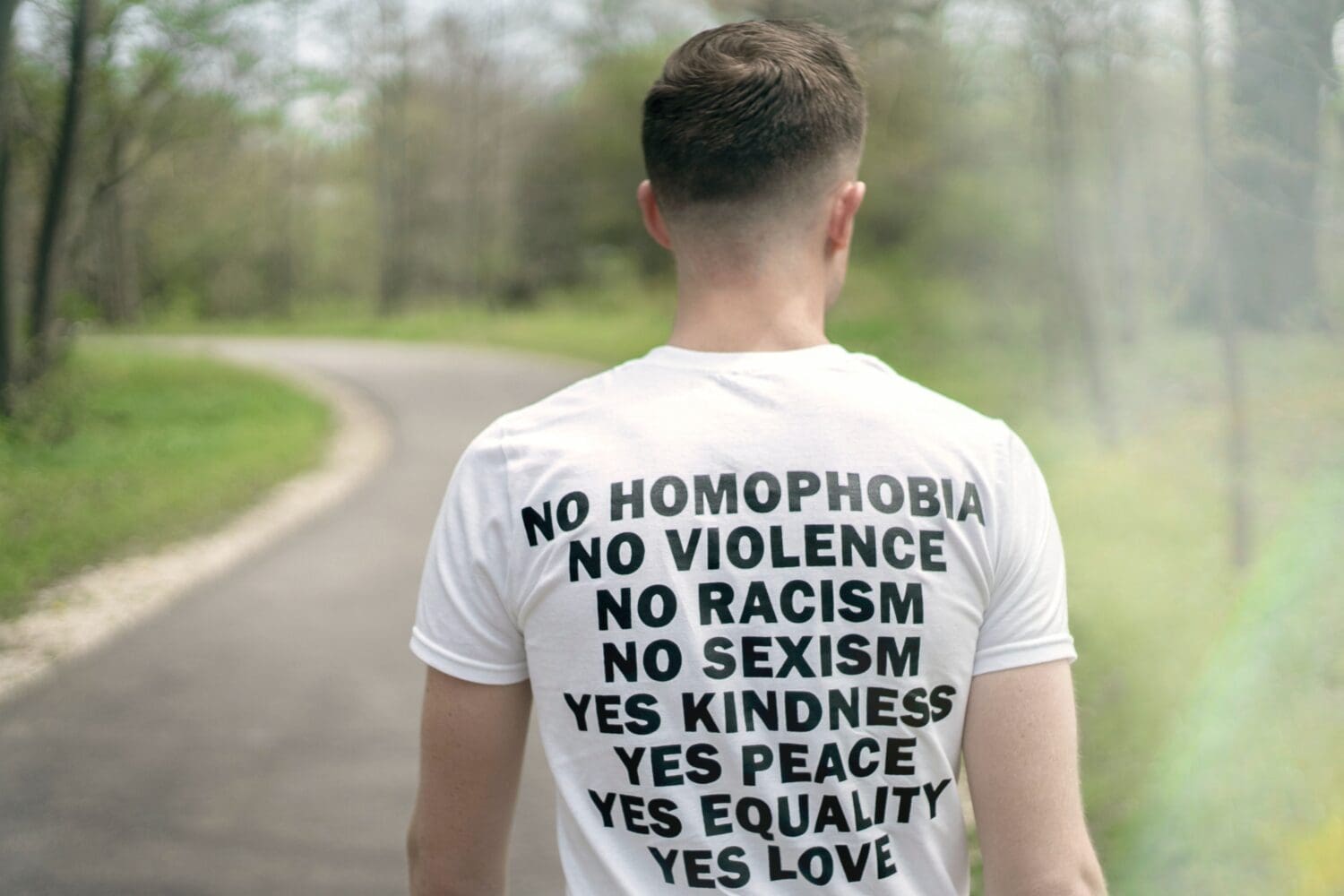
![]() We’re on a mission to help all of the MBA applicants we work with shine their brightest when applying to business school. Bonus points if you’re able to enjoy the application process along the way! A group of LGBTQ+ MBA consultants from the SBC team got together to share stories from our own experiences applying to b-school. We also swapped the lessons we’ve learned from working with clients over the years. Given the upheaval of the past two years, we believe that being bold and authentic is now more critical than ever. Here are nine tips for LGBTQ+ MBA applicants to consider when thinking about business school. Curious about your chances of getting into a top MBA program? Contact us to talk strategy with a free 15-minute advising session with an SBC Principal Consultant. ![]() Advice for LGBTQ+ MBA Applicants When Applying 1. Connect with the LGBTQ+ student organizations at the schools you’re considering. Speaking to LGBTQ+ MBA students at various schools is one of the best ways to learn about the program and the experience of LGBTQ+ students studying there. In addition, most MBA programs include information about the school’s LGBTQ+ student organizations on the school’s website. But if you can’t find this information, contact the admissions office. We specifically suggest reaching out to one of the student co-presidents of a given school’s LGBTQ+ student organization. In our experience, we have found that these club leaders will almost always write back to potential students. This will give you a chance to gain current students’ perspectives, learn about how students have been learning—and socializing—during the pandemic, and possibly connect with others in the admissions office working with LGBTQ+ MBA applicants. In addition, if there are events or information sessions specifically for LGBTQ+ applicants, you’ll want to be sure to attend these as well. Listen to B-Schooled Podcast Episode #123: Tips for LGBTQ+ and Other Underrepresented Applicants ![]() (Wharton School has the largest LGBTQ MBA club in the U.S. In 2020, the school launched Prism, a full-ride LGBTQ MBA Fellowship.) 2. Don’t be afraid to reach out to alums or individuals working in fields that interest you. The LGBTQ+ world may be small, but it is also mighty. So, don’t be afraid to reach out to others in the LGBTQ+ community via LinkedIn and other professional platforms. Working through a friend of a friend is always great—but also try to “cold outreach” to other members of the community who graduated from schools you are interested in or who work in industries about which you are passionate. Of course, this cold outreach doesn’t always work. Yet we’ve found LGBTQ+ applicants reaching out to others in the community seem to get an answer more often than not. A reminder: always put your best foot forward. Whenever you reach out to anyone in connection to your business school journey, ALWAYS be courteous in your approach, proofread your writing, and be sure to thank anyone who offers you feedback or guidance. 3. When writing your essays, share your story thoughtfully. For many, coming out is a deeply personal experience that requires a tremendous amount of self-examination and introspection. Thus, an essay that touches on this profoundly revealing vulnerability and self-awareness can be remarkable. Many of the most compelling essays we’ve read, for example, don’t actually “center” on a coming-out story. Instead, they used this experience as a jumping-off point to explore topics that are deeply meaningful to the applicant. ![]() Remember that admissions officers want to understand many different aspects of you as an applicant. We suggest that you present this element of your identity as an important facet—but not the totality—of who you are. 4. Don’t be afraid to be different. In fact, standing out can be a very good thing. We see many LGBTQ+ MBA applicants who have been in the closet in college or professionally to conform to what society has told them a business person is “supposed” to be. With all of our clients (not only members of the LGBTQ+ community), we encourage people to be themselves authentically. Embrace your individuality, your quirkiness, and your queerness, along with all the other things that make you unique. Listen to B-Schooled Podcast Episode #103: The Power of Authenticity in MBA Applications ![]() 5. Check out the Reaching Out MBA Conference. The Reaching Out MBA Conference (ROMBA) is the world’s largest gathering of LGBT+ business students and alumni. This event educates, inspires, and connects our community through C-suite panels, workshops, competitions, a host of receptions, and a career fair with 100 corporate partners across industries recruiting LGBTQ+ MBA talent. The next ROMBA conference will take place October 5-7, 2023, in Chicago, Illinois. Check the ROMBA website for more details and registration information. After you’ve been accepted: 6. Check out the Point Foundation (and other scholarship groups). The Point Foundation (Point) is the nation’s largest scholarship-granting organization for lesbian, gay, bisexual, transgender, and queer (LGBTQ) students of merit. Point promotes change through scholarship funding, mentorship, leadership development, and community service training. To apply, applicants must be planning to attend a degree-granting undergraduate or graduate/ doctoral program. More information is available via the link above. 7. Consider your multiple identities when choosing the program that is right for you. Several members of our team brought up the complexities of navigating the application process when one has multiple identities: for example, being trans or non-binary, being femme, being from a low-income background, or being non-white. ![]() Each of these identity layers can add another degree of nuance when choosing the MBA program that feels right for you. This, of course, means different things for different people. For you, this might mean selecting an MBA program that has:




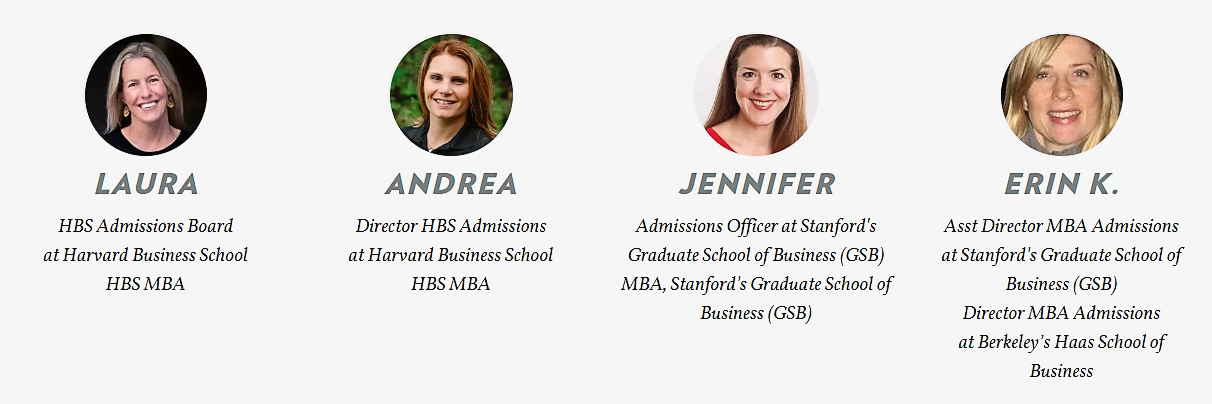
![]() 8. When you do get to business school, speak up and pay it forward. For every out person on a business school campus, there are often several other LGBTQ+ MBA students—especially those with multiple identities—who might not feel comfortable being out on campus yet. Many of us remember times in our own business school experiences when speaking up or speaking out prompted others who weren’t out yet to approach us privately to thank us for making our voices heard. There is also a multiplier effect: once one person raises a hand to make a statement or acknowledge their identity, others gradually feel more comfortable doing the same. 9. Finally, enjoy yourself and make friends. Invite that stranger to coffee. Have the tough conversation. Encourage the LGBTQ+ student organization to co-host a happy hour with a conservative group on campus. Business school can—and should—be a LOT of fun. It is also a powerful opportunity for you to influence the hearts and minds of classmates who will one day run corporations, organizations, and governments around the world. *** Stacy Blackman Consulting offers multiple services to meet your MBA application needs, from our All-In Partnership to hourly help reviewing your MBA resume. Contact us today for a free 15-minute advising session to talk strategy with a Principal SBC consultant. Meanwhile, here’s a snapshot of the caliber of expertise on our SBC team. ![]() The post 9 Tips for LGBTQ+ MBA Applicants appeared first on Stacy Blackman Consulting - MBA Admissions Consulting. |
| FROM Stacy Blackman Consulting Blog: Texas McCombs MBA Application Deadlines for 2023-2024 |

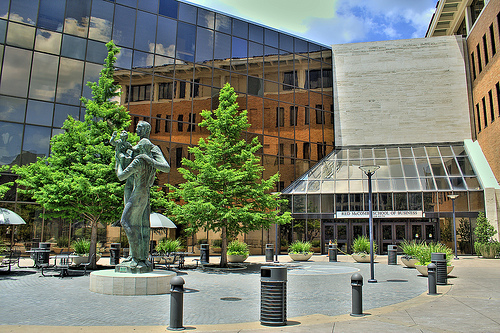
![]() Is the UT McCombs School of Business on your shortlist of target MBA programs? Then mark your calendar because the Texas McCombs MBA application deadlines for the 2023-2024 admissions season have been announced. McCombs MBA Application Deadlines Round 1* Application due: October 10, 2022 Decision released: December 14, 2023 Round 2 Application due: January 5, 2024 Decision released: March 21, 2024 Round 3 Application due: March 26, 2024 Decision released: May 2, 2024 Round 4 Application due: May 9, 2024 Decision released: June 6, 2024 *Round 1 is the priority deadline for scholarships and fellowships at the Texas MBA program. Applications must be submitted by 11:59 PM Central Time on the deadline date for each round. For additional information on applying, please visit the Texas MBA admissions website. If you need guidance on your Texas McCombs MBA application or wish to discuss your MBA plans, reach out for a complimentary analysis of your candidacy. We’re here to help! *** Stacy Blackman Consulting offers multiple services to meet your MBA application needs, from our All-In Partnership to hourly help reviewing your MBA resume. Contact us today for a free 15-minute advising session to talk strategy with a Principal SBC consultant. The post Texas McCombs MBA Application Deadlines for 2023-2024 appeared first on Stacy Blackman Consulting - MBA Admissions Consulting. |
| FROM Stacy Blackman Consulting Blog: Texas McCombs MBA Application Essays for the Class of 2026 |
![]() Are you interested in applying to the UT McCombs School of Business this year? Then get ready to start brainstorming! The Texas McCombs MBA application essays and deadlines for the 2023-2024 admissions cycle have been confirmed. Last week, the school announced several changes to its application process designed to increase accessibility and reduce bias. These changes appear in the school’s testing requirements, its video component, and the new optional peer interview. If you’re interested in UT McCombs, this is a can’t-miss episode of the B-Schooled podcast! Erika interviews Rodrigo Malta, Managing Director, MBA Recruiting and Admissions at McCombs, who gives extremely insightful advice and information for aspiring MBAs. UT McCombs MBA Application This year, the Texas MBA program is foregoing the traditional MBA essay. In its place, applicants must submit a cover letter. The application cover letter is a critical means of learning who you are as an applicant and assessing your communication and writing skills. Here is the prompt to help guide you in writing the application cover letter: Please write an application cover letter summarizing your aspirations, qualifications, and personal and professional experiences that make you a strong candidate for the Texas Full-Time MBA program. LIMIT: 500 words Additionally, and if applicable, applicants can provide an optional statement in the essay section of the application. Applicants should only provide an optional statement if there is something they wish to address about their candidacy that is not addressed elsewhere. (e.g., gaps in work experience, choice of recommender, academic performance, or extenuating personal circumstances) ![]() Texas McCombs Video Assessment From the AdCom: Texas McCombs has always been at the forefront of innovation and continuous improvement, consistently seeking new ways to enhance the application process for prospective MBA candidates. In line with our school mission and values, we introduced a dynamic video assessment component as part of the 2022-23 admission cycle, offering an alternative approach to a more traditional essay and interview format. Given all applicants will complete the video assessment, MBA candidates will have increased access to the application process and the opportunity to share their stories with us in their own voice. Through the video assessment, the admissions committee will have a chance to experience the “real” you, beyond a resume, test scores, and transcripts. Lastly, the video assessment will enable Texas McCombs to reduce bias in the admissions process by providing all applicants with a structured and consistent assessment experience. MBA candidates with a submitted application, whose application fee has been paid or waived will be invited to take part in our Texas McCombs Video Assessment. Each applicant will have 7 days from the invitation to complete the assessment. The video assessment is asynchronous and will help the admissions committee evaluate your career goals and the following competencies that are crucial for the fit and success of our students within the program and their future careers:
This is your time to show us your personality and enthusiasm! We recommend that you prepare for the video assessment similarly to how you might prepare for an interview. Think reflectively about your work experience, strengths, weaknesses, and work on your delivery. ![]() Optional: Peer Interview One of the most vital parts of the MBA application process at Texas McCombs is the human component – “Human-Centered, Future-Focused” is our mantra for a reason. We pride ourselves in getting to know you at a personal level during the admissions process and will continue to provide hundreds of virtual and in-person ways for you to meet our students, alumni, faculty, and admissions team. We invite all MBA applicants to close out their application process in a human-centered way and complete a short, optional virtual interview. While not required, registering for and completing an interview is highly encouraged. These interactive virtual sessions present a valuable opportunity for our applicants to connect with Full-Time MBA students, showcasing their collaborative skills, reaffirming their motivation for pursuing an MBA and leaving a lasting positive impression on Texas McCombs. The optional interview will last 20-30 minutes and are available throughout the round. The student ambassador will introduce themselves and ask you up to 3 questions that focus on collaboration and your motivation. The rest of the time is yours to ask 2-3 questions that are top of mind. *** The Full-Time MBA Class of 2026 application is opening in August 2023. For additional information on applying, please visit the McCombs admissions website. If you need guidance on your Texas McCombs MBA application or wish to discuss your MBA plans, reach out for a complimentary analysis of your candidacy. We’re here to help! The post Texas McCombs MBA Application Essays for the Class of 2026 appeared first on Stacy Blackman Consulting - MBA Admissions Consulting. |
| FROM Stacy Blackman Consulting Blog: Emory MBA Deadlines for 2023-2024 |
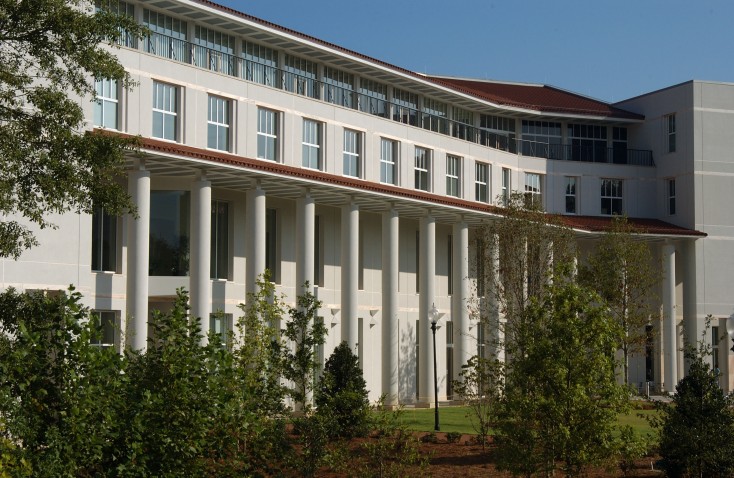
![]() Are you interested in the Goizueta Business School at Emory University? Then mark your calendar because the Emory MBA deadlines for the 2023-2024 application season have been announced! Emory MBA Deadlines Round 1 Application due: October 4, 2023 Decision released: December 6, 2023 Round 2* Application due: January 8, 2024 Decision released: March 20, 2024 Round 3 Application due: March 20, 2024 Decision released: May 8, 2024 * Preferred deadline for applicants interested in full consideration for scholarships. MBA applications are due by 11:59 PM ET on the date of the application deadline. However, Emory encourages applicants to submit as early as possible. For more information on applying for the Emory MBA, please visit the Emory-Goizueta admissions website. If you need guidance on your Emory MBA application or wish to discuss your business school plans, don’t hesitate to reach out for a complimentary analysis of your candidacy. We’re here to help! *** Stacy Blackman Consulting offers multiple services to meet your MBA application needs, from our All-In Partnership to hourly help reviewing your MBA resume. Contact us today for a free 15-minute advising session to talk strategy with a Principal SBC consultant. Meanwhile, here’s a snapshot of the caliber of expertise on our SBC team. ![]() The post Emory MBA Deadlines for 2023-2024 appeared first on Stacy Blackman Consulting - MBA Admissions Consulting. |
| FROM Stacy Blackman Consulting Blog: Michigan Ross MBA Deadlines for 2023-2024 |
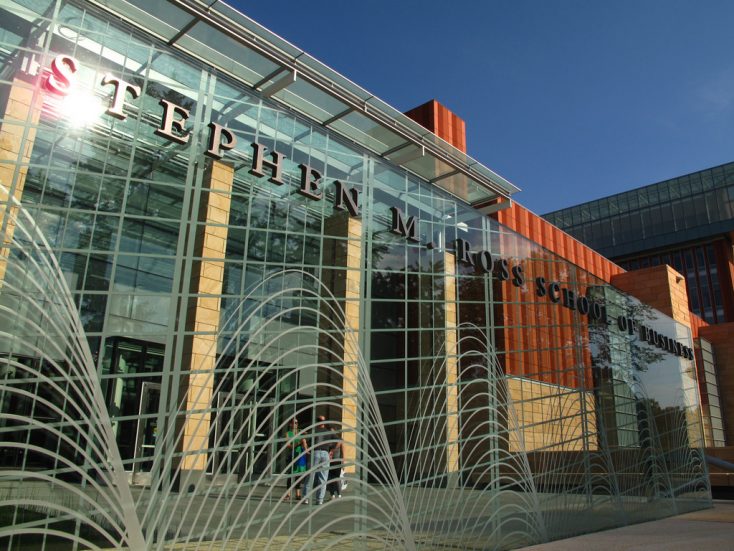
![]() Are you interested in the University of Michigan Ross School of Business? Then get ready, because the Michigan Ross MBA deadlines for the 2023-2024 admissions cycle have been confirmed. Michigan Ross MBA Deadlines Round 1 Application due: September 14, 2023 Decision released: December 8, 2023 Round 2 Application due: January 11, 2024 Decision released: March 15, 2024 Round 3 Application due: April 4, 2024 Decision released: May 3, 2024 International students may apply in any round, but the Ross School encourages these applicants to apply in Round 1 or 2 to allow sufficient time for visa processing. For more information, please visit Michigan Ross’s full-time MBA admissions page. If you need guidance on your Ross MBA application or wish to discuss your MBA plans, reach out for a complimentary analysis of your candidacy. We’re here to help! *** Stacy Blackman Consulting offers multiple services to meet your MBA application needs, from our All-In Partnership to hourly help reviewing your MBA resume. Contact us today for a free 15-minute advising session to talk strategy with a Principal SBC consultant. Meanwhile, here’s a snapshot of the caliber of expertise on our SBC team. ![]() The post Michigan Ross MBA Deadlines for 2023-2024 appeared first on Stacy Blackman Consulting - MBA Admissions Consulting. |
| FROM Stacy Blackman Consulting Blog: How to Get Into Harvard Business School |
|
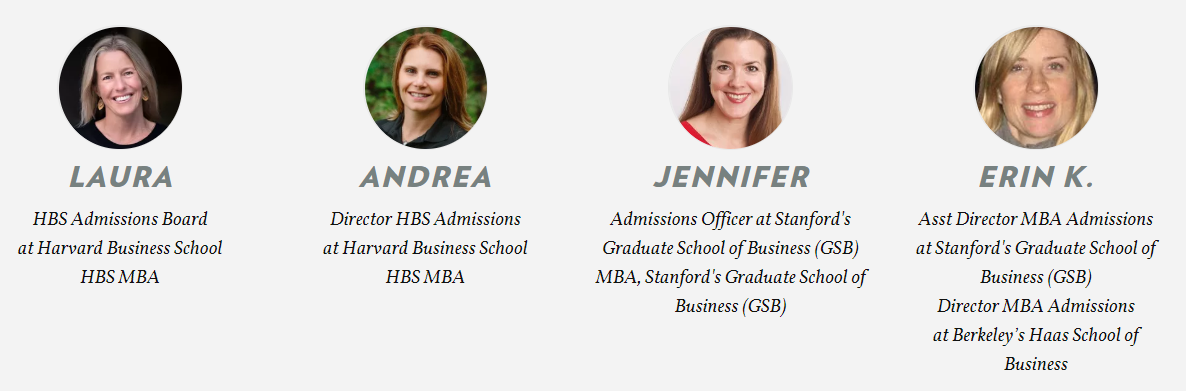
[b][img]https://www.stacyblackman.com/wp-content/uploads/IMG_8588-scaled-1-734x551.jpg[/img] Lessons Learned From Our Admissions Experts[/b] “How can I get into Harvard Business School?” That’s the first question that the majority of our prospective clients ask. Our SBC consultants have guided more HBS admits than any other program, in large part because the demand for the [url=https://www.stacyblackman.com/mba-application-advice/harvard-business-school/]Harvard MBA[/url] is so high in our client pool. The 2023-2024 application cycle looks to be more competitive than last season. MBA demand has picked up for a variety of reasons. First, there are the enticing salary reports among recent graduates. According to the most recent [url=https://www.gmac.com/market-intelligence-and-research/market-research/corporate-recruiters-survey]GMAC Corporate Recruiters Survey[/url], 97% of US-based recruiters anticipated their hiring demand for business school graduates to increase or remain stable over the next five years. Then there’s renewed optimism from international students now that Covid restrictions have eased worldwide. Finally, the economic slowdown, [url=https://www.stacyblackman.com/blog/from-tech-layoff-to-business-school/]especially in tech[/url], has prompted many professionals to think about heading back to school. We have several former HBS Admissions Officers on our SBC consulting team, so we decided to gather HBS admit data across our client pool to define themes and strategies that can help future MBA applicants. [b]Curious about your chances of getting into a top B-school like HBS? Contact us to talk strategy with a [url=https://www.stacyblackman.com/contact/]free 15-minute advising session[/url] with an SBC Principal Consultant. [/b] [img]https://www.stacyblackman.com/wp-content/uploads/Harvard-Business-School-Dillon-House.jpg[/img] As you’ve no doubt read on the HBS website, their preferred framework for [url=https://www.hbs.edu/mba/admissions/Pages/who-are-we-looking-for.aspx]assessing MBA applicants[/url] is three-pronged. They seek candidates with these characteristics: [list] [*]Habits of Leadership[/*] [*] Analytical Aptitude & Appetite[/*] [*]Community Citizenship[/*] [/list] Thus, we present these lessons to you on how to execute on this three-prong framework in the MBA application based on our review of the profiles of hundreds of successful HBS admits. How to Get Into Harvard Business School: Show Habits of Leadership “Leadership can look a lot of different ways,” notes SBC consultant Andrea, who served on the HBS Admissions Board for five years. For instance, “Capital L” leadership is one form. These are the people in positions of authority professionally—those whose roles convey they are leading the parade. But we also see HBS admits who are “small-L” leaders. Irrespective of their actual job titles, these professionals are strategic, innovative, and proactive. The small L leaders step up when needed and thrive when times are hard. Plus, they demonstrate leadership traits over time and can show that track record to HBS throughout their application. Capital L leadership may include examples such as fraternity president, Eagle Scout, student council president, varsity soccer team captain, etc. Small L examples include: starting a recycling program in your dorm or starting a community garden in your community to source local produce. Maybe you served as an effective role model and mentor in your firm or developed a new way to approach building a financial model at your bank. In a nutshell, Andrea says, “You saw a need, and you filled that need.” To get into Harvard Business School, leadership examples must shine throughout the entire HBS application. That includes your short responses on work experience entries; your list of extracurricular involvement and awards; your resume; and, of course, the essay. “Leadership is demonstrated not only in the roles and titles held, elections won, etc.. but also in how you interact with others and ways in which you’ve made an impact alone or with others, “ Andrea says. [b]Check out SBC’s Strategy Guide for [url=https://www.stacyblackman.com/guides/strategy/harvard/]Harvard Business School: What the AdCom Wants[/url][/b] [img]https://www.stacyblackman.com/wp-content/uploads/pexels-christina-morillo-1181396-734x490.jpg[/img] Show Analytical Aptitude & Appetite “Academic, analytical and quantitative prowess is crucial, as HBS Adcom will look at the applicant’s GPA and test score. HBS AdCom will also comb through transcripts and consider the skills the applicant exercised and built in his or her work experiences,” Andrea reveals. For reference, we’ve assembled a sampling of test scores for SBC client admits from this past season. GRE scores ranged between a 630 converted to an 800 perfect test score. GPAs ranged from 3.4 to 3.9. GMAT scores ranged between 690 and 770. [b]Undergraduate Institutions[/b] The school pedigree of HBS admits varies considerably. Here are some of the undergraduate colleges and universities attended by our SBC client pool of HBS admits. Duke University of Minnesota Vanderbilt Brown Princeton Waseda (Tokyo) UC Santa Barbara Harvard Williams Yale U Sao Paulo UC Berkeley Cornell Boston University Wesleyan Middle East college UVA U Maryland UTA Cornell Univ. Warwick (UK) Michigan U Penn Dartmouth When it comes to undergraduate majors, Harvard Business School is not looking solely for candidates with a business background. HBS welcomes applicants with humanities and STEM degrees, too. So, even if your college classes weren’t quant-heavy, there are other ways to demonstrate you can handle the intellectual rigor of the program. “Strong work experience can compensate for lack of quant classes in college,” Andrea notes. “In addition to the stated criteria, intellectual curiosity and horsepower are buried in there. This can come across as dorky, but to HBS, dorky is good!” Andrea continues, “Research projects, thesis projects, reading and interests you develop on your own all qualify under horsepower. One’s quest to satiate his/her intellectual curiosity needs to shine through for the HBS application. This comes across in extracurriculars, awards, on the resume, and certainly in the HBS essay.” Examples of “dorky-is-good” across our SBC client pool include: [list] Discussing research projects you pursued that weren’t required [/*] Taking on TA positions [/*] Working in a lab and writing a paper with a professor [/*] Opting to do original research for a thesis [/*] Developing a new curriculum with a faculty member[/*] [/list] “This can be on display throughout the application. But the essay is a great place to really get a sense that a candidate thinks about the issues deeply and is on a quest to satisfy intellectual curiosity,” Andrea explains. [b]Listen to [url=https://www.stacyblackman.com/blog/b-schooled-podcast-episode-97-hbs-faqs-and-life-advice-with-dawn/]B-Schooled Podcast Episode #97[/url]: HBS FAQs (and Life Advice) with Dawn [/b] [img]https://www.stacyblackman.com/wp-content/uploads/1024px-Students_in_a_Harvard_Business_School_classroom-734x489.jpeg[/img] Show Engaged Community Citizenship “Personal qualities encompass ethics, morals, values, judgment, and ego,” Andrea notes. That is a significant element should you advance to the in-person interview. She simplifies this as: “How you will play in the sandbox that is the HBS classroom.” Andrea also says that citizenship is less about what you say and more about the overall tone of how you say it: how you generally come across in the application. HBS doesn’t want egotistical or arrogant types in the program, and the reading of the application is the first place they have their antenna up looking for it. For example, take the applicant who is from a common demographic (investment banker), comes from Darien, Connecticut, who studied at an elite undergrad, and has traveled the world. That applicant must be very careful with the tone of his application and essay. HBS AdCom is going to be looking out for arrogance based on privileged life circumstances and choices. “Talking in a braggy manner and discussing an over-the-top lifestyle would take the applicant out of the running. Instead, I recommend trying to present an unexpected application that shows real depth around how he makes a positive impact in the communities in which he’s spent time,” Andrea says. [img]https://www.stacyblackman.com/wp-content/uploads/pexels-rodnae-productions-6647174-734x489.jpg[/img] It takes a lot to rise to the top of the [url=https://www.stacyblackman.com/blog/overrepresented-buckets/]oversubscribed populations[/url]. Therefore, if you are in an overpopulated pool, you have to do things that set you apart from that herd. [b]How to Get Into Harvard Business School: Applying the Framework to the HBS Essay[/b] The essay really is make-or-break for HBS, Andrea reveals. So many applications have acceptable credentials up to that point of the application. But it’s the essay that sets the overall application apart and earns it the interview. “Go deep. Get personal. Make sure the reader feels genuineness and authenticity. Make them get goosebumps while they are reading,” Andrea suggests. “At the end of the essay, the reader should feel so moved they want to meet you immediately. They can’t wait to get to know you better, hear more of the story, ask you specific questions to learn more, be inspired, etc.” [b]Read [url=https://www.stacyblackman.com/harvard-hbs-essay-example/]SBC’s collection[/url] of successful Harvard Business School essays.[/b] The HBS essay cannot just be a story of successes and accomplishments, Andrea cautions. “It has to leverage some creative theme or thread that is big and deep and acts as a mechanism to pull the story together. Open with that theme, then bring it to life with experiences and then end on that theme—come full circle.” *** [b]Stacy Blackman Consulting offers multiple services to meet your MBA application needs, from our [url=https://www.stacyblackman.com/comprehensive-services/]All-In Partnership[/url] to hourly help reviewing your MBA resume. Contact us today for a [url=https://www.stacyblackman.com/contact/]free 15-minute advising session[/url] to talk strategy with a Principal SBC consultant. Meanwhile, here’s a snapshot of the caliber of Harvard Business School AdCom expertise on [url=https://www.stacyblackman.com/about/mba-admissions-consulting-team/]our team[/url].[/b] [img]https://www.stacyblackman.com/wp-content/uploads/Screen-Shot-2023-01-10-at-8.07.06-AM.png[/img] The post [url=https://www.stacyblackman.com/blog/how-to-get-into-harvard-business-school/]How to Get Into Harvard Business School[/url] appeared first on [url=https://www.stacyblackman.com]Stacy Blackman Consulting - MBA Admissions Consulting[/url]. |
| FROM Stacy Blackman Consulting Blog: GMAT Focus Edition: Facts you Need to Know |
![]() GMAC, the test provider of the GMAT, recently hosted an invite-only workshop to answer questions about its recent announcement that the GMAT exam will soon change into the GMAT Focus edition. SBC’s Director of Test Prep, Anthony, attended the workshop to make sure our most pressing questions were addressed. Here, we review the insights. Across the probing questions, there were two key highlights: 1) The new GMAT Focus reflects an extensive collaboration with MBA programs via surveys and conversations. Schools wanted the test to be shorter to make it easier on candidates; the programs also wanted an increasing emphasis on data literacy, problem solving skills and higher order reasoning skills and a de-emphases on language skills. Schools were okay with removing the AWA. The main goal with GMAT Focus is to make the test more efficient and require less prep (read: less painful) for students. 2) GMAC is publishing a concordance table for comparison of old and new GMAT scores. To minimize confusion, Harvard will not accept the GMAT Focus in either Round 1 or Round 2 of this year’s MBA application. However, Harvard is accepting GMAT Focus for their 2+2 program in 2024. Other schools’ policies are TBD. Schools will have to re-establish their psychological thresholds for what defines a “good” score on the GMAT Focus. Partner with Stacy Blackman’s best-in-class GMAT and GRE experts and increase your score significantly. Check out our test prep services here. Request a free game plan chat with SBC’s lead test prep coach by emailing testprep@stacyblackman.com. Additional Highlights [b]Q – What’s the timeline?[/b] A –GMAT Focus registration opens August 29. GMAT Focus testing starts Q4 of 2023. The current GMAT ends early Q1 of 2024. [b]Q – Other changes?[/b] A –
[b]Q – What’s the deal with taking the test out of the country? E.g., a client spending August in SE Asia. Do the at home tests have to go through a (longer) 30-day vetting/flagging period, especially internationally, and/or especially if you get a score north of 750?[/b] A –The test is the same everywhere, and the vetting/flagging process doesn’t discriminate based on where the test is taken. It’s offered online or in testing centers in SE Asia, but not in mainland China. Of course there are no guarantees of how long the score review will take, other than the 30-day maximum (though most are much faster), and any irregularities can push the review time towards the longer end of the spectrum. [b]Q – Do they feel that the academic predictive merits of the shortened test are as valid as the longer version?[/b] A –Looking to get slightly different information. You lose some data points with a shorter test, and so you get a less-reliable score. The solution is to stop asking about language skills. Schools can evaluate that elsewhere. Not much compromise in terms of test score reliability on what you’re actually still asking about. Narrowing focus actually improves reliability. Improved Computer Adaptive Test algorithm also creates “significant improvements in measurement efficiency, resulting in shorter tests while maintaining score accuracy”; “reliability remains comparable.” This is journal-published, peer-reviewed research. Correlation between GMAT Focus and graduate GPA is 0.46 – 0.58, which is comparable to the current GMAT total. GMAT Focus score reliability > 0.90. Each section has reliability 0.8 or higher. High internal consistency for each section; each section tests a single latent trait. Verbal reasoning used to test 2 factors, but now tests 1 factor. Standard Error is lowest at high scores. (It peaks in the 300s.) ![]() [b]Q – Does the GMAT Focus re-center percentiles, especially on math?[/b] A –The scale is recalibrated. The drift of the previous scores, and the negative skew that resulted, have been fixed. The drift happened (since 1997) because of changing test-taker population, especially the influx of international students, especially from China, India, Korea, and elsewhere in Asia. The percentile scales for each of the three sections are now similar, though perhaps not identical, and of course future drift is always possible if the test-taker population shifts again. [b]Q – What happens to the EA?[/b] A –Still figuring that out, over the next year or two. Maybe align it more with the GMAT Focus? But still undecided. [b]Q – What are these numbers for GRE?[/b] A –Correlation (current GRE, not shortened new GRE): below 0.46. GMAC expects this correlation will drop “dramatically” on the new shortened GRE. GMAC expects GRE correlation will drop below 0.4 or even below 0.3. Schools haven’t figured this out yet, but in general care a lot about these numbers. Reliability (current GRE, not shortened new GRE): 0.92 currently, but expected to drop with the new GRE; GMAC would not be surprised if it falls below 0.8. GMAC says that the CEO of ETS (the GRE company) doesn’t believe in admissions tests long term; no experimental questions because they have enough items for 3 years and aren’t currently focusing on developing new items for further in the future. ![]() @stacyblackmanconsulting Are the GRE and GMAT accepted equally? StacyBlackman.com #sbcyourfuture #mba #mbaadmissions #gmat #gre ? original sound – Stacy Blackman Consulting [b]Q – How should (or may) schools be compare candidates who took both GMAT and GMAT Focus?[/b] A – GMAC is publishing a concordance table for comparison of old and new GMAT scores. To minimize confusion, Harvard will not accept the GMAT Focus in either Round 1 or Round 2 of this year’s MBA application. However, Harvard is accepting GMAT Focus for their 2+2 program in 2024. Other schools’ policies are TBD. Schools will have to re-establish their psychological thresholds for what defines a “good” score on the GMAT Focus. [b]Q – Are they noting it anywhere on score reports, etc.?[/b] A –Focus goes 205 to 805 in 10-point increments instead of 200 to 800, sections go from 60 to 90. The 5-point shift is because GMAC wants it to be clear to everyone which version was taken. BUT the new scale cannot be thought of as midpoints of the old scale 10-point ranges. E.g. 505 is NOT “better than 500 but worse than 510 from the old GMAT.” [b]Q – Is the intent to make the test easier by making it shorter, or to just to make the ordeal less of a trauma for those who dread it?[/b] A –Not easier; actually there is more discrimination at the top of scale. (But scale is compressed; 60-90 instead of 6-51. Does that mean less discrimination lower on the scale? GMAC says no; the GMAT Focus has “[improved] score discrimination throughout the score scale.”) The new GMAT Focus reflects an extensive collaboration with MBA programs via surveys and conversations. Schools wanted the test to be shorter to make it easier on candidates; the programs also wanted an increasing emphasis on data literacy, problem solving skills and higher order reasoning skills and a de-emphases on language skills. Schools were okay with removing the AWA. The main goal with GMAT Focus is to make the test more efficient and require less prep (read: less painful) for students. Integrated Reasoning had been giving mixed signals to schools, and GMAC had been getting mixed signals about IR from schools in return. Schools didn’t know what to do with the score since it wasn’t part of the composite score. “Integrated reasoning” was an ambiguous phrase that didn’t explain what underlying skill(s) it’s really testing. Students can flag questions and can change a few answers (3) per section now, at the end of the section (time permitting). This feature was heavily desired by students – 86.7% wanted this. (Many of the others said they had already taken the test and felt it would be unfair that they would miss out on this feature.) Many students believe that this will decrease anxiety and increase feelings of control. Note that this has been tested against “gaming the test” strategies and is not game-able. Initial item difficulty jumps have been made a bit smaller to make sure the “intentionally miss the first 3 and correct them later” strategy doesn’t break the test. Also, this is NOT for “second-guessing” – literature shows that second guesses are worse on average than first guesses. This is a time-management tool, to help students let go of the small number of questions they get totally stuck on and stubbornly cannot let go of – the 5- or 6-minute questions that kill people’s pacing. “This is expected to greatly reduce the anxiety level” of students. [b]Q – Is there some relationship between these choices (what they shortened or added, what they removed) and the ongoing criticism of standardized tests for being demographically biased? If so, how?[/b] A –GMAT Focus uses a new methodology “to ensure the fairness of GMAT Focus scores across protected groups.” GMAC did not target populations, e.g. to try to boost Americans/westerners versus other groups. GMAC did not attempt to balance scores across country/culture populations. Sentence Correction removal was mainly about the skills business schools want to see tested, and not about what candidates feel comfortable with or believe is culture-fair (though note that Sentence Correction was always carefully reviewed for culture-fairness). There is, however, a good amount of relief among Asian students about the removal of Sentence Correction. On the other hand, there is some apprehension in Asia about the verbal aspects of the Data Insights section. [b]Q – Anything else?[/b] A –Average self-reported prep time: South Asia 120 hours, East and Southeast Asia 100, Europe 60, US 42. US is falling, but Asia is actually rising. For the GMAT Focus, the one allowed reset of each paid practice exam (practice tests 3-6) WILL NOT show repeat questions. Then why not simply split these each into two practice exams? Theoretically they could, but they haven’t done so because that functionality existed previously, and they didn’t want to be seen as removing any functionality. Why was it done that way previously? Unclear – before the time of the current administration. GMAT questions are time-balanced as well as subject-matter-balanced, tested-skill-balanced, and so forth. Useful links from GMAC: 1. GMAT Focus Overview (Flyer) 2. GMAT Focus Edition vs GMAT Exam (Flyer) 3. Test Center or Online (Flyer) 4. Score Concordance Table (Website) 5. 6-week study planner (Flyer) 6. The GMAT Focus Edition Explained (Video) 7. The GMAT Focus Edition: Scores & Percentiles (Video) Stacy Blackman Consulting offers multiple services to meet your MBA application needs, from our All-In Partnership to test prep to hourly help with targeted tasks. Contact us today for a free 15-minute advising session to talk strategy with a Principal SBC consultant. The post GMAT Focus Edition: Facts you Need to Know appeared first on Stacy Blackman Consulting - MBA Admissions Consulting. |
| FROM Stacy Blackman Consulting Blog: Tuesday Tips: Texas McCombs MBA Application Essay Tips for 2023-2024 |
![]() The UT McCombs School of Business is a globally recognized MBA program located in Austin, Texas—a center of technology and business for the region. When you are getting ready to draft your Texas McCombs MBA application, consider that entrepreneurship is a huge focus. Along with Management Consulting, Clean Tech, Innovation Leadership, and Supply Chain & Operations Management, Entrepreneurship is a top 5 concentration. The class size at Texas McCombs MBA is small and close-knit, and the students’ backgrounds are diverse. In an interview with Erika Olson, Managing Director Rodrigo Malta corrected a misconception that most of McCombs’s MBA graduates end up in local careers. In fact, most students go into technology, consulting, finance, and marketing and are placed all over the country. Malta said that McCombs seeks MBA students who are “enterprising, tenacious, curious and authentic.” Listen to the whole podcast for more insights into the experience and culture of McCombs: B-Schooled Podcast Episode #82: Interview with UT McCombs AdCom MD, Rodrigo Malta This year Texas McCombs has changed the essay component of the application to only one written component instead of several written essays. The main essay is a cover letter asking you to summarize your background and candidacy for the MBA program. The video essay is required, and there is an additional optional peer interview. Curious about your chances of getting into a top B-school like UT McCombs? Contact us to talk strategy with a free 15-minute advising session with an SBC Principal Consultant. ![]() The Texas McCombs MBA Application Cover Letter Please write an application cover letter summarizing your aspirations, qualifications, and personal and professional experiences that make you a strong candidate for the Texas Full-Time MBA program. (500 words) This cover letter is an opportunity to demonstrate your fit with the Texas McCombs MBA program. As part of your homework for the Texas McCombs MBA application, you should learn as much as possible about the school. Here, you can combine that research with your aspirations and goals. Rather than focusing on titles in your career background, think about the trajectory of your career and how you have grown. Also, describe the impact your work has had on your organization and those around you. If you can highlight key leadership examples that demonstrate collaboration, it will enhance your story. Texas McCombs is strong in many career areas. Researching the academic options and knowing what you are looking for from the program will bolster your case. Researching Texas McCombs is Essential to This Essay To get started, research some of the unique opportunities at McCombs, like the Venture Labs, if you have entrepreneurial dreams. Another great program is The MBA+ Program, with options to work with large companies. Living in the city of Austin is also a draw for many candidates. Don’t neglect the personal. Texas McCombs is a community that values collaboration and diversity. How will your background enhance the experience of your classmates? Consider adding a personal story that demonstrates who you are as a unique individual. ![]() Video Assessment Texas McCombs has always been at the forefront of innovation and continuous improvement, consistently seeking new ways to enhance the application process for prospective MBA candidates. In line with our school mission and values, we introduced a dynamic video assessment component as part of the 2022-23 admission cycle, offering an alternative approach to a more traditional essay and interview format. Given all applicants will complete the video assessment, MBA candidates will have increased access to the application process and the opportunity to share their stories with us in their own voice. Through the video assessment, the admissions committee will have a chance to experience the “real” you, beyond a resume, test scores, and transcripts. Lastly, the video assessment will enable Texas McCombs to reduce bias in the admissions process by providing all applicants with a structured and consistent assessment experience. MBA candidates with a submitted application, whose application fee has been paid or waived will be invited to take part in our Texas McCombs Video Assessment. Each applicant will have 7 days from the invitation to complete the assessment. The video assessment is asynchronous and will help the admissions committee evaluate your career goals and the following competencies that are crucial for the fit and success of our students within the program and their future careers:
This is your time to show us your personality and enthusiasm! We recommend that you prepare for the video assessment similarly to how you might prepare for an interview. Think reflectively about your work experience, strengths, weaknesses, and work on your delivery. As you think about how to approach this video essay, do some introspection. Evaluate what you may want to describe to Texas McCombs. For example, your cultural background or formative moments in your life. Also, consider friends, family, and colleagues who have influenced you. And don’t forget to consider leadership and career experiences. To identify engaging stories for your Texas McCombs MBA application, think about those pivotal moments of change. Life transitions can spark your Texas McCombs MBA application essay topics. For many people, the transition from high school to college and from college to work leads to personal change. Others have had formative childhood experiences or experiences that led to shifts in perspective, like travel or living outside their home country. These types of incidents are an excellent way to illustrate your values and what motivates you. ![]() This video assessment could allow you to add elements of emotion, such as humor, that are harder to convey in writing. Therefore, think about the bullet points you want to cover and any essential points. Before you talk into the camera, make sure you rehearse. Consider having a friend or family member there so you can speak to a person instead of the camera. Optional: Peer Interview One of the most vital parts of the MBA application process at Texas McCombs is the human component – “Human-Centered, Future-Focused” is our mantra for a reason. We pride ourselves in getting to know you at a personal level during the admissions process and will continue to provide hundreds of virtual and in-person ways for you to meet our students, alumni, faculty, and admissions team. We invite all MBA applicants to close out their application process in a human-centered way and complete a short, optional virtual interview. While not required, registering for and completing an interview is highly encouraged. These interactive virtual sessions present a valuable opportunity for our applicants to connect with Full-Time MBA students, showcasing their collaborative skills, reaffirming their motivation for pursuing an MBA and leaving a lasting positive impression on Texas McCombs. The optional interview will last 20-30 minutes and are available throughout the round. The student ambassador will introduce themselves and ask you up to 3 questions that focus on collaboration and your motivation. The rest of the time is yours to ask 2-3 questions that are top of mind. Community is a crucial aspect of the Texas McCombs culture. Therefore, spend the time to get to know the community before you complete your application. When you prepare for the peer interview, think of examples of academic excellence, achievement in your career, and collaboration and leadership. Managing Director Malta emphasized that successful McCombs students are the type of people who have “helped others reach their goals.” McCombs values engagement with the community in all MBA applicants. Along with engaging with the peer interview opportunity, you can visit the campus, reach out to the admissions committee, and network with current and former students. For additional information on applying, please visit the McCombs admissions website. *** Stacy Blackman Consulting offers multiple services to meet your MBA application needs, from our All-In Partnership to hourly help reviewing your MBA resume. Contact us today for a free 15-minute advising session to talk strategy with a Principal SBC consultant. Meanwhile, here’s a snapshot of the caliber of AdCom expertise on our team. ![]() The post Tuesday Tips: Texas McCombs MBA Application Essay Tips for 2023-2024 appeared first on Stacy Blackman Consulting - MBA Admissions Consulting. |
| FROM Stacy Blackman Consulting Blog: B-Schooled Podcast Episode #166: Career Goals |
![]() What do you want to be when you grow up? When you pull together your business school application materials, you might find yourself stumped (in a few different ways) about how to explain your MBA career goals. But don’t worry—we’ve got you covered! This replay of one of our most popular B-Schooled episodes covers:
B-Schooled is available on most major podcast apps, including: Apple Podcasts Spotify Stitcher TuneIn Please be sure to subscribe to B-Schooled so that you don’t miss a thing. Also, if there’s something you’d like for us to cover in a future episode, please email podcast@stacyblackman.com. We’d love to hear from you! The post B-Schooled Podcast Episode #166: Career Goals appeared first on Stacy Blackman Consulting - MBA Admissions Consulting. |
| FROM Stacy Blackman Consulting Blog: Your MBA Career Goals Essay |
![]() Top MBA programs know that the career success of their students and graduates is a major selling point. Applicants should know that having a clearly-stated MBA career goals essay in their application is also a screening trigger that MBA programs use when evaluating candidates. That’s why today we’re focusing on:
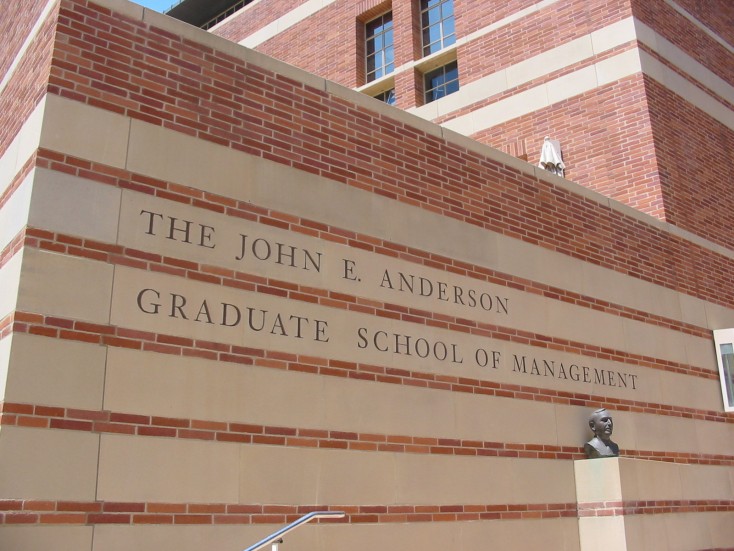
Applicants usually start with a general idea of their short and long-term career goals when embarking on the MBA application process. We recommend that applicants hone their career goal visions in part by researching the career support available at each program. It’s vital to consider the sectors and industries in which the career center specializes. MBA aspirants should understand that their MBA career goals essay needs to be compelling. But don’t worry if your path deviates once you’re in school and new opportunities arise. In any case, you will have robust support through the Career Office once you start your MBA program. Curious about your chances of getting into a top B-school? Contact us to talk strategy with a free 15-minute advising session with an SBC Principal Consultant. ![]() The Role of an MBA Career Office in Advancing Career Goals Every MBA program has a Career Management team that plays a pivotal role in an MBA student’s future. Now we’ll delve into the various facets of a typical MBA Career Management Office. That way, MBA applicants know what they can expect to gain in their MBA program. Each program has a dedicated career management team that provides comprehensive support to students in their job search and career development journey. Because a single solution won’t work for everyone, the team offers a tailored approach based on each student’s chosen industry. Advisors are well-versed in various sectors, offering valuable insights into specific market trends and opportunities. No matter what background you come from, be it finance, marketing, or tech, the career office can help tailor your educational journey. It considers previous work experience and interests while structuring a plan that best suits individual needs. Listen to B-Schooled Podcast Episode #107: The Scoop on Short-and-Long-Term Career Goals ![]() Preterm Advising Session Students can participate in a preterm advising session before even starting classes, such as UVA Darden’s pre-MBA career course. This early intervention helps them set realistic goals and develop effective strategies for achieving them. Relationship Managers for Job Placement Most MBA program career offices employ relationship managers who work closely with companies looking to hire MBAs. They facilitate introductions between students and potential employers, significantly enhancing employment prospects post-graduation. Career management offices have established relationships with a diverse range of companies that hire MBAs, from large corporations seeking multiple candidates to smaller firms looking for just one. Summer Internship Experiences The summer period is a time of exploration and hands-on learning. Students can take part in internship experiences, using their new knowledge in real-world settings across various industries around the world. Tap Into the Active Alumni Network The career office also provides access to an extensive alum database. MBA students can tap into this network for advice, mentorship, and potential job opportunities. This serves as an invaluable resource when searching for internships or full-time positions after graduation. These experienced professionals are always ready to lend a hand in guiding you through your career path. As you can see, your career goals can be refined optimally through the MBA program experience. But, in the meantime, let’s check out a few successful career goal essays here because we need you to get admitted first! ![]() Sample MBA Career Goals Essay for Successful MBA Admits Use these sample essays to inspire your own responses to the classic career goals essay question asked by many business schools. Essay Prompt: Define your short-term post-MBA career goals. How are your professional strengths, past experience, and personal attributes aligned with these goals? One of the things I value most at Company X is the collaboration between teams to advance new technologies. As a Program Manager, I coordinate research and development (R&D) projects for the engineering department. R&D is an exciting field to me because we make quick decisions, progress at lightning speed, and focus on the future. Currently, I am directing a X project that impacts the future of autonomous driving. Post-MBA, I will join the R&D group for a technology or automotive company as a product manager. I want to own the product lifecycle and effectively shepherd a product from inception to market. Ultimately, I aspire to influence monumental decisions like Porsche’s recent $6B investment in electric cars and electric charging infrastructure. Product management capitalizes on my strengths: communication, teamwork, leadership, planning and organization. I enjoy the breadth of exposure through this role because successful new product development requires me to leverage resources from all over the company – R&D, finance, marketing, supply chain, and production. Essay Prompt: What are your short-term and long-term career goals, and how will an MBA from UCLA Anderson specifically help you achieve these goals? After several years as a Wireline Field Engineer, I am at a crossroads where I will start to define the future of my career. I envision becoming the VP of Strategic Marketing at a technical firm. Unlike most of my fellow engineers, I plan to merge my technical background with a marketing education to put myself in a position where I can be successful in such a career. A marketing position in a technical firm fits my interests and talents perfectly. Cutting-edge technology fascinates me, and with an engineering background, it is a language I speak. Most engineering jobs deal with technology, but few are primarily focused on human interaction, something that is an essential part of my vision. I enjoy dealing with people; while solving a complex engineering problem can provide great pleasure, it is no match for the satisfaction I derive through team interaction. Similarly, I have always enjoyed coaching others, whether it’s by conducting mock interviews at the high school where I volunteer or teaching nuclear theory to new engineers at a wellsite. The idea of taking a complicated concept and packaging it in such a way that the client clearly understands the benefits is highly appealing. While my current technical position has many advantages, it is time for a change. I love the challenge of problem solving, and I thrive in such an international role, but I lack a strong business background. As I progress and move into an office job within Schlumberger, I do not see a career path allowing me to follow my goal without taking the initiative to gain further marketing knowledge. I have set my sights on this goal and will devote the necessary time and energy to put myself in a position to be successful. ![]() Anderson is my choice for an MBA program for three reasons. First, it has excellent access to the Asia Pacific region, a market I am familiar with and would like to do business with in the future. My time spent in Thailand has been phenomenal, and I hope to work with such gracious, hospitable people throughout my career. Second, Anderson has a diverse student body from all over the world, something that is essential if I am to be multi-cultural upon graduation. Finally, Anderson is known to be an excellent all-around program, and being well-rounded is extremely important to me. With high quality training from Anderson, I am certain that I can succeed in the strategic marketing position I desire. I understand that a career of this nature requires a great deal of work. I embrace the challenge and look forward to a career which combines my professional skills and my enjoyment in working with others, but for the near future I look forward to an MBA program with exposure to the brightest teachers and young professionals from different business sectors across the globe. Learning to solve business problems, not just technical ones, is the next critical step toward a career in which I will thrive for years to come. *** Finally, for more MBA essay samples, visit the Hot Topics page and click on the business schools you wish to explore. Stacy Blackman Consulting offers multiple services to meet your MBA application needs, from our All-In Partnership to hourly help reviewing your MBA resume. Contact us today for a free 15-minute advising session to talk strategy with a Principal SBC consultant. Meanwhile, here’s a snapshot of the caliber of expertise on our SBC team. ![]() The post Your MBA Career Goals Essay appeared first on Stacy Blackman Consulting - MBA Admissions Consulting. |
| FROM Stacy Blackman Consulting Blog: Get the Scoop on the Stanford MSx Program |
|
[img]https://www.stacyblackman.com/wp-content/uploads/Stanford-GBS-Knight-Management-Center-734x486.jpg[/img] Are you a mid-career professional seeking a transformational experience as fast as possible? The Stanford MSx program may provide that career boost you need. As an accelerated master’s program, you’ll spend one year reflecting, connecting, and refining your professional goals. “There is only one Stanford and only one Silicon Valley,” says an MSx student. “I came to the GSB with a question of how we can merge tech with human connection.” During the pandemic, representatives from the Stanford MSx program spoke with John A. Byrne, founder of Poets & Quants, about [url=https://poetsandquants.com/calendar/october-1-2021/?pq-directory-type=calendar]the program’s merits.[/url] Here we review the facts and insights into the program with you. [b]Curious about your chances of getting into a top program like Stanford Graduate School of Business? Contact us to talk strategy with a [url=https://www.stacyblackman.com/contact/]free 15-minute advising session[/url] with an SBC Principal Consultant. [/b] [img]https://www.stacyblackman.com/wp-content/uploads/Stanford-MsX2.png[/img] Overview of Stanford MSx The Stanford MSx program is a Master of Science in Management for Experienced Leaders. It is a one-year immersive, residential program where students have access to the University’s seven schools (e.g., engineering, education) and the new school of sustainability, opening soon. Created for mid-career professionals, MSx enrolls about 80 students per cohort. The campus is in the heart of Silicon Valley, perhaps the most dynamic and exciting economy in the world. “Stanford is a magnetic field that attracts the best of the best talent from around the world,” shared a recent alum of the Stanford MSx program. “We’re all in it together. The vested interest in the tribe in making everyone successful is a hallmark of the Stanford MSx program.” [img]https://www.stacyblackman.com/wp-content/uploads/Stanford-MsX-1.png[/img] Upcoming Program Deadlines for 2023-2024 [b]Round 1 Joint with MBA[/b] Application due: September 12, 2023 Decision released: December 7, 2023 [b]Round 1 MSx Only [/b] Application due: October 12, 2023 Decision released: December 7, 2023 [b]Round 2 MSx only[/b] Application due: January 4, 2024 Decision released: March 28, 2024 [b]Round 2 Joint with MBA[/b] Application due: January 4, 2024 Decision released: March 28, 2024 [b]Round 3 MSx only[/b] Application due: February 15, 2024 Decision released: March 28, 2024 [img]https://www.stacyblackman.com/wp-content/uploads/Stanford--734x489.jpg[/img] Stanford MSx Application Essay Prompts [list] [*]What matters most to you, and why? For this essay, we would like you to reflect deeply and write from the heart. Once you have identified what matters most to you, help us understand why. You might consider, for example, what makes this so important to you? What people, insights, or experiences have shaped your perspectives?[/*] [*]Why Stanford MSx, and why now? Please describe your aspirations and how your Stanford MSx experience will help you realize them. Why is this the right time for you to pursue your master’s degree at Stanford GSB?[/*] [/list] Length Both essays combined may not exceed 1,050 words. We recommend up to 650 words for Essay A and up to 400 words for Essay B. We often find effective essays written in far fewer words. Career Aspirations Short Answer Question (required) Tell us about what you aspire to do in your career. How will the Stanford MSx Program, combined with your experience, education or background, help you achieve your career goals? Be specific. (up to 1,200 characters, approximately 200 word limit) Optional Short-Answer Questions The required essays shed light on who you are and how you imagine Stanford will help you achieve your aspirations. We are also interested in learning about the things you have done that are most meaningful to you. In this section, we provide an optional opportunity to go beyond your resume to discuss some of your contributions more fully. What do we mean by “optional?” We truly mean you have the opportunity to choose. In evaluating your application, we want to know who you are, what you have done, and how your background may have influenced your experiences. If you feel that you’ve already addressed these questions well in other areas of the application, congratulations, you are done! If not, feel free to use this opportunity to tell us more by answering one or both questions. [b]Do not include your short-answer response in your essays upload; use the text boxes provided in the application.[/b] Optional Short-Answer Questions Optional Question 1: Think about times you’ve created a positive impact, whether in professional, extracurricular, academic, or other settings. What was your impact? What made it significant to you or to others? You are welcome to share up to three examples. (Up to 1200 characters, approximately 200 words, for each example) Optional Question 2[b]: [/b]Tell us about a time within the last three years when your background influenced your participation at work or community. (up to 1100 characters, approximately 180 words) [b]Qualities of Exceptional Essays[/b] Exceptional essays are authentic: Write about what you are compelled to tell us, not what you believe the admission committee wants to hear. In addition, they: [list] [*]Indicate self-awareness and acknowledge areas for growth opportunities[/*] [*]Express an understanding of your effect on others[/*] [*]Demonstrate how you want to maximize your impact on the world[/*] [*]Showcase your unique worldview and goals by being personal, specific, and honest[/*] [*]Detail how you see the MSx Program helping you achieve your goals and how you will leverage your year at Stanford[/*] [/list] [b]Additional Information (Optional)[/b] The application provides an additional opportunity for you to share any other pertinent information not otherwise captured in your application. You might use this opportunity to: [list] [*]Describe the circumstances affecting academic or work performance[/*] [*]Explain why you are not using a current supervisor as a reference[/*] [*]Address an academic suspension or expulsion[/*] [/list] Stanford MSx Acceptance Rate As noted by Poets & Quants, “Acceptance rates are almost always more generous in one-year programs as well. Stanford’s MSx program, a great option for ‘older’ professionals aged 30 to 34, accepts about one in four applicants. That contrasts with the puny 6.1% acceptance rate for its two-year program.” [img]https://www.stacyblackman.com/wp-content/uploads/Stanford-MsX3.png[/img] [b]Program and Coursework Design[/b] The core curriculum educates on business fundamentals, and half of the program is customizable. Students are encouraged to sample widely, try everything, and then think of one or two areas to dive deep. As a result, students become completely engaged with this fully immersive program. “I’m currently not juggling another job. I can be really all-in and that’s accelerated the learning and given me the opportunity to say yes more than I would have otherwise,” said MSx student Kate French. [img]https://www.stacyblackman.com/wp-content/uploads/Stanford-MsX-Kate-French.png[/img] There are also many different community-building activities for students, such as Indian and Japan night, as well as immersive trips to New York, Washington DC, etc., where participants forge life-long relationships. As one alum explained, it’s like, “Getting a PhD in self awareness and it’s probably the last time in your life—in your mid 30s or 40s—where you can make lifelong friends.” Design thinking, machine learning, artificial intelligence, data analytics are among the course topics available. New Venture Strategy is a course taught by a famous trio of teachers. Experiential classes are abundant. Cardinal Ventures or DormRoom courses are incubator courses. “Evidence-based life design” is the power of each of the MSx courses, shared by a recent alum. MSx offers Startup Garage, Lean LaunchPad, TechX, and many more entrepreneurial classes. For example, Startup Garage is an iconic course at Stanford for anyone wanting to experience entrepreneurship. MsX educates on a combination of design thinking and business management principles. Doordash started out of a Startup Garage course. Interpersonal Dynamics (or touchy-feely) is also a well-known class that MSx students take with MBA students. Ten people sit in a circle talking about thoughts and emotions–about self and how others think of you. Students learn many things about life and work. Fun Fact: 60% of students at MSx have children. Origin of the Program It’s a strategic priority at Stanford to have an impact beyond the core MBA program. Stanford wants to spread its knowledge more widely, including for mid-career executives, and more thoughtfully than its shorter Exec Education programs. MSx has been around for 60 years and has always been part of the GSB. It started as the Sloan program, and students still refer to it as Sloan Fellows. ROI of Stanford MSx It’s worth noting that the opportunity costs are higher for mid-career professionals, as many have young families. It’s one year of focusing on your career: accelerating your career or transitioning to a new path, such as entrepreneurship. Students can expect to receive a top-notch education and an incredible cohort of classmates, along with a broader set of people at the GSB to learn from, network, and stay in touch with lifelong. As a highly collaborative school, MSx students mix with students from all three programs—MBA, Ph.D., and MSx—and support each other through group work and student-led activities. [b]The ‘Success for All’ Ethos[/b] As student Kate French shared, “I had on-the-ground experience, but my skills were not seen as transferable. I wanted to expand my horizons, get business acumen and have the opportunity to meet a large number of people. The beauty of the program is that your focus changes. You may get an idea of what you may want initially, but then you can expand more broadly. “The program has exceeded my expectations. I have increased confidence through opportunities to constantly meet new people. There is constantly an opportunity to know people on a deeper level and those people want to get to know you.” “The program has broadened what I thought was possible. I didn’t come here to be an entrepreneur. What an entrepreneur is a wide range of things. I realized I have been involved in start-up-like environments. The entrepreneurial possibility is infectious, not overwhelming, but it is empowering and exciting. We will succeed together and everyone wants others to succeed as well.” Likewise, Steven Troung, an MSx graduate, said, “Stanford gave me the confidence to embrace authentic leadership and bring that into my current career role.” [img]https://www.stacyblackman.com/wp-content/uploads/Stanford-MsX-Steve-Troung.png[/img] Across the interviewees from the MSx program, it’s clear that they didn’t just get an education. The experience is truly transformative. “Every cohort is 75-85, so after one year, you really know those people so well and become lifelong friends,” Troung said. “Think of the Msx program as Stanford, not just a business school. You will find the most inspiring people that will help you empower and achieve your dreams.” For guidance on related programs such as the Executive MBA, please see [url=https://www.stacyblackman.com/emba-vs-mba-executive-program-options/]our EMBA overview [/url]and our [url=https://gmatclub.com/blog/2021/03/wharton-emba-insider-intel-application-advice-more/]Wharton EMBA insider tips[/url]. *** [b]Stacy Blackman Consulting offers multiple services to meet your MBA application needs, from our [url=https://www.stacyblackman.com/comprehensive-services/]All-In Partnership[/url] to hourly help reviewing your MBA resume. Contact us today for a [url=https://www.stacyblackman.com/contact/]free 15-minute advising session[/url] to talk strategy with a Principal SBC consultant. Meanwhile, here’s a snapshot of the caliber of the AdCom expertise on [url=https://www.stacyblackman.com/about/mba-admissions-consulting-team/]our team[/url].[/b] [img]https://www.stacyblackman.com/wp-content/uploads/SBC-consultants-HBS-GSB-Haas.png[/img] [b]This post has been updated with new information for the 2023-24 application season. [/b] The post [url=https://www.stacyblackman.com/blog/stanford-msx-program/]Get the Scoop on the Stanford MSx Program[/url] appeared first on [url=https://www.stacyblackman.com]Stacy Blackman Consulting - MBA Admissions Consulting[/url]. |
| FROM Stacy Blackman Consulting Blog: Harvard & Stanford MBA: Dual Admit Success Lessons |
|
[img]https://www.stacyblackman.com/wp-content/uploads/Screen-Shot-2023-06-30-at-2.07.13-PM.png[/img] Each year, the SBC client pool includes candidates admitted to both Harvard Business School (HBS) and Stanford Graduate School of Business (GSB). We call these rare, “unicorn” applicants dual admits. Several SBC clients who achieved this impressive feat have received large scholarships, too. A recent SBC All-In client who was admitted to both HBS and the GSB shared, “ I have heard back regarding FinAid as well. GSB offered me $50K per year, so $100K in total and HBS is not final yet, but they have forecasted $47K per year as well, $94K in total. So, really great news.” In any era, dual HBS and GSB admit success is rare. Chiefly, because both schools are highly coveted and have near single-digit acceptance rates. Thus, gaining admission to both programs is a statistical longshot. What makes it even more complicated is that HBS and GSB look for different things in candidates. Plus, each has a distinct evaluation process. It’s rare for one candidate to have the key success factors that both schools seek. As we marvel at these success stories, we seek to learn from these case studies. SBC has poured through each of these dual admit client applications to ascertain what factors predict such impressive results for both Harvard and Stanford. Some admit triggers remain similar in the MBA admissions landscape over time while other admissions levers and priorities evolve from year-to-year; this deep-dive dual admit study seeks to shed light on both. [b]Admit Triggers Change[/b] One of the former HBS Admissions Officers who now works on [url=https://www.stacyblackman.com/about/mba-admissions-consulting-team/]our SBC team[/url] reflected about [url=https://www.stacyblackman.com/blog/behind-the-scenes-at-hbs-admissions/]her time[/url] reviewing applications, “The class demographics certainly shift over a period of time, sometimes driven by HBS priorities. External factors can also drive demographic shifts.” Factors include professor feedback about student fit, recruiters swinging towards or away from hiring MBA grads, and/or “in the news” trends. There’s no doubt that the recent US Supreme Court (SCOTUS) decision striking down affirmative action will place more emphasis on an applicant’s personal story, in which the nuances of their identity, inspirations, challenges and lessons learned are explored. There has never been just one single application bucket, such as race alone, that is a dealmaker. In that spirit, the SCOTUS decision should not erode the admissions practices of MBA programs, which will surely work even harder to ensure a fully representative student class. HBS and the GSB have always valued a multi-faceted human experience paradigm for MBA admissions, long before the SCOTUS decision came down. The dimensional structure of [url=https://www.stacyblackman.com/comprehensive-services/]our SBC system[/url] has allowed our clients to earn the admit from illumination of how their own background, perspectives, and lived experiences matter. Against the backdrop of our ever-changing society and economic realities, here we explore 7 key learnings from 21 exceptional dual admit candidates to provide [url=https://www.hbs.edu/mba/blog/post/doubts-about-applying-to-hbs]inspiration[/url] and guidance for prospective MBA applicants. [b]HBS and GSB Dual Admit Study by SBC[/b] This new study captures a larger sample size than before: 21 dual admits to HBS and GSB from Rounds 1 and 2 of this past season. Our gang of 21 included six international applicants and fifteen US applicants. Seven are female, two identify as an underrepresented minority (URM), and two identify as LGBTQ+. Interestingly, there was no difference in admit potential between round 1 and round 2 with HBS and the GSB for our sample size. We based our dual admit findings on the following: [list] a thorough application review, [/*] clues from client interviews, and [/*] what AdCom disclosed to our clients on any admit calls.[/*] [/list] In previous years, our dual admit findings presented the hard inputs of career, academics, tenure and extracurriculars as the first four application levers followed by softer qualities of character, ambition, big picture awareness, emotional intelligence. That sequential framework is no longer predictive for MBA admissions today and so we made a change. Gone are discrete buckets of admit predictors. Intersectionality and cohesiveness are inherent to every single dual admit success case. What’s here to stay is an admissions process that seeks relevant and compelling lived experiences. In this study, we present the following 7 dual admit application learnings, reflecting a further progression towards contextual and character-based qualities. 1) Compelling work responsibilities 2) Evidence-based passion or purpose 3) Momentum in career trajectory 4) Quality character themes across domains 5) Asserted a distinct value for the student class 6) Within range for academic stats 7) Authentic storytelling to captivate the reader [b]Lesson 1: Compelling work responsibilities [/b] Our dual admit crop comes from a mix of typical MBA-oriented firms and non-traditional employers. Traditional career paths included blue-chip companies such as McKinsey, Deloitte, private equity firms and those who progressed to a second employment role, such as venture capital or non-profit, after the finance or consulting foundation. Non-traditional employers (e.g., industries outside of consulting and finance) included six from household names in the tech industry: media tech and general tech. Five other non-traditional profiles are from mission-driven employers; these societal impact profiles encompass agro sustainability, tech solutions for health-impaired populations, and niche industry disruptors. While recognizable employers represent the majority of our dual admit profiles, it’s clear that familiarity of employer isn’t a requirement across the board. The one resounding theme though is the caliber of recent work responsibilities and how transferable and relevant those professional contributions would be to the MBA student class. In every dual admit profile, we saw clear strategy-related work initiatives as well as cross-functional exposure. Among both the traditional and non-traditional applicant pool, half of all applications conveyed values-based post-MBA career aspirations that had been practiced to some extent pre-MBA through exposure and interests. [b]Lesson 2: Evidence-based passion or purpose[/b] “Some of these clients just amaze me,” shared a former HBS Admissions Officer on our SBC team. “I’d say the common theme is impact-orientation: a desire to have a positive impact via their future career goals that feels authentically woven into their narrative and therefore, feels achievable, because it’s backed up by their experiences to date. These are big dreamers and idealists but their visions for their futures build from where they’ve been and what they’ve done. HBS and the GSB like big dreamers but also do-ers — These applicants effectively demonstrated both.” Similar to past dual admit studies, we see that none of these admits described their current careers or future aspirations as a specific job. It was much more vivid than that. They felt driven to make an impact on people and their industries. They wanted to shift mindsets and behaviors and change the world. Even those applicants in blue chip companies such as a Deloitte or private equity company, had treasure-filled work exposure such as working in the hottest growing product area for clients wanting tech innovations using artificial intelligence. Another dual admit client viewed his traditional career path as motivated by his childhood where commercials and television ignited his fascination with consumers and refined his own voice. And yet another traditional applicant merged his passion for culture and his pilot status to become a top performer for travel- sector client work at a MBB firm. Deeply-traumatic childhood memories of a parent’s health setbacks were explored by another dual admit as motivation for a career path in global healthcare innovation. [b]Lesson 3: Momentum in career trajectory[/b] Applicants in this dual admit study ranged between 3 and 5 years of post-college work experience, with half of the applicants only holding 3 years upon application submission. This lower work tenure average might be due to the economic realities. Young professionals consider this an ideal time to reposition their careers for a few years while the economy recalibrates. Interestly, this early career shift correlates with faster than typical career progression for these dual admit applicants. Every dual admit case this season showed strong career progression including at least one promotion in between 1 and 3 total employers before submitting applications. About half of the dual admits held Manager, Lead, Product Manager and/or Head titles at the time of their application positions. Others were Associate, Senior Business Analyst, Sr Associate, Sr Consultant or equivalent. Indeed, there is a psychological advantage to applying for the MBA program in a timely fashion. Another former HBS Admissions Officer on our SBC team shared of her days reading files, “One of the things we considered while reviewing the applications was whether or not the applicants were applying because they had limited job options or because getting an MBA was an intentional part of their larger vision.” [b]Lesson 4: Quality character themes across domains[/b] The journey at HBS or the GSB is more than just acquiring an MBA degree; it’s about personal growth and professional development. The dual admit success stories were able to showcase what they consider important across not one but multiple domains: personal, professional and/or community. Our clients often describe a core passion and/or a driving motivation shared through several examples across these spheres. Societal impact and extracurricular activities are not a standalone dealmaker for admit success. Those activities should be built into the application so they are an extension of the themes in professional and personal spheres. Recent community service efforts were not a prerequisite necessarily, as 5 of our dual admits had very light or even no recent social impact endeavors. Light community impact can absolutely be overshadowed by character themes in professional and personal examples. Contributing to the broader community happens continuously. It’s not about saving the world for an eye-catching nonprofit. It’s about representing who you are and what you care about in conscious ways that enrich the communities that surround you. One dual admit has entrepreneur parents who had constant failures during his childhood and he used those difficult formative experiences to find purpose in his finance profession and to give back to others with a financial literacy nonprofit and microfinance advocacy work. Another dual admit had a really strong story of promoting women as she is the eldest in a large family and was raised by a single working mom. She parlayed those experiences into gender advocacy during college and her professional path in work around women and more broadly connecting with different cultures and nationalities in her career. Another dual admit who lacked extracurriculars altogether conveyed in his materials a few community building activities such as college fundraising and being a football season ticket holder as a proud alum. Referencing everyday, endearing reflections can show humility. [b]Lesson 5: Asserted a distinct value for the student class[/b] Successful admits recognize they need to stand out from the high-performing applicant pool. Admit decisions are so granular with HBS and the GSB that each applicant should carve out their value proposition carefully, much like a start-up defines worth relative to other competitors in a business plan. For example, a tenured media tech applicant, whose network includes industry titans, conveyed what leadership on the HBS campus would be by bringing thought leaders together for a streaming symposium. An international applicant inspired us when her essays revealed why her career path in sustainability relied on experiences volunteering in refugee camps. Another applicant conveyed strategic knowledge of the airline industry, ensuring the readers would see his niche expertise as a travel space disruptor and pay less attention to his overrepresented functional career path of management consulting. A healthcare-tech innovator described through his professional and personal experiences to ensure clarity of his role as a life sciences leader for the MBA program. [b]Lesson 6: Within range for academic stats and college[/b] GPAs ranged between 3.6 to 4.0. Fifteen applicants submitted GMAT scores ranging between 710 and 780 with 46 quant being the lowest math subsection score. Six submitted strong GRE scores of 163+ on each subsection. There is no static list of feeder colleges. Only four applicants are Ivy grads and those candidates were admitted not because of the Ivy degree but rather for their life experiences, both professional and personal. All other dual admits were graduates of top 50 US or equivalent European colleges. [b]Lesson 7: Authentic storytelling to captivate the reader[/b] Both HBS and GSB applications allow a candidate to demonstrate that they have some imagination and ability to sparkle by telling an interesting story that will stick in the memory of the MBA Admissions reader. A former HBS Admissions Officer on our team shared, “I believe it’s true that all people, and therefore all admissions boards, love a great story. It’s a way to bring life to your application and show the realness of who you are during what can be a dry process. I recall a story of an applicant engineering a soccer ball that could be kicked around and then used to provide electricity for a short period of time. He wanted to bring this technology to underdeveloped areas in Africa.” Authenticity is critical to a candidate’s MBA narratives of where you’ve been, where you are, and where you want to go. MBA programs look for candidates who share and connect those dots in honest, thoughtful, and self-aware ways. We see our candidates achieve authenticity through candor, vulnerability and connection across the application touchpoints. Candor involves unflinching, unblinking forthrightness and sincerely sharing those elements of yourself with MBA admissions committees. What problems in business and/or society am I excited to help solve? Many candidates come into the application process trying to guess what MBA admissions committees want to hear. While it’s helpful to understand a school’s culture and priorities, we always ask my clients: what is it that you want to say? Vulnerability has the power to transform us from 2 dimensional pieces of application paper into 3 dimensional human beings. We often see picture perfect and almost armored applicant profiles. If you are already perfect, why get an MBA? Our dual admits acknowledged they were not perfect in their essays by conveying authentic opportunities for growth through self-reflection. Consider thoughtful disclosure of any failures, setbacks and transformational times. Connection because MBA Admissions readers want to be inspired. Share how experiences have allowed you to grow and crystallize your life’s work and passions that you’re focused on for the MBA journey and beyond. [b]HBS or GSB: Which Did They Pick?[/b] We can’t disclose the breakdown of HBS vs GSB acceptances but we asked a former HBS Admissions Officer on our SBC team if HBS Admissions knows why a candidate declined HBS for another program, such as Stanford ? She shared, “All the admissions teams are a bit obsessed with the declines and where they land! This info was certainly collected from the candidates. And while each school might try to address the “why’s,” it often came down to personal preference (the candidate has family from the region) or even weather. Sometimes the decision was related to the focus of the curriculum or the job/company prospects post-graduation. And those are wise things to consider when making a decision if you’re lucky enough to be admitted to multiple schools!” Still undecided? Described as “deftly-written with a ton of useful info side-by-side,” this [url=https://www.stacyblackman.com/harvard-business-school-vs-stanford-graduate-school-of-business/]Which MBA: Harvard vs. Stanford[/url] comparison is rich with information, including candid insights from the former HBS and GSB MBA Admissions Officers on the SBC team. — There is no magic formula that guarantees admissions success. But as these “dual admits” prove your own deep and broad lived experiences, when positioned optimally, can help tip the odds in your favor. In the meantime, check out our winning [url=https://www.stacyblackman.com/harvard-hbs-essay-example/]HBS application essays[/url] and [url=https://www.stacyblackman.com/stanford-gsb-essay-example-mba/]GSB application essays[/url] from successful admits. And don’t miss [url=https://www.stacyblackman.com/how-to-get-into-harvard-business-school/]How to Get Into HBS[/url], featuring advice from a former HBS Admissions Officer on our team. You can find additional application advice on our [url=https://www.stacyblackman.com/mba-application-advice/]application cheat sheet[/url] hub. Also, view the latest on MBA rankings by program [url=https://www.stacyblackman.com/mba-rankings-top-programs/]here.[/url] SBC is the only MBA admissions firm with a complete panel of former Admissions Officers, of which many specialize in HBS and the GSB. For guidance on whether we can be successful with applying to HBS and the GSB, request a free analysis of your candidacy [url=https://www.stacyblackman.com/contact/]here[/url]. The post [url=https://www.stacyblackman.com/blog/harvard-hbs-stanford-gsb-mba-dual-admit-success-lessons/]Harvard & Stanford MBA: Dual Admit Success Lessons[/url] appeared first on [url=https://www.stacyblackman.com]Stacy Blackman Consulting - MBA Admissions Consulting[/url]. |
| FROM Stacy Blackman Consulting Blog: MIT Sloan Deadlines for 2023-2024 |
![]() Are you interested in the full-time MBA program at MIT’s Sloan School of Management? Then open up your calendar! The MIT Sloan deadlines for the 2023-2024 MBA admissions cycle have been announced. MIT Sloan Deadlines Round 1 Application due: September 27, 2023 Decision released: December 12, 2023 Round 2 Application due: January 17, 2024 Decision released: April 5, 2024 Round 3 Application due: April 8, 2024 Decision released: May 16, 2024 All applications are due by 3:00 p.m. EST on the deadline date. The deadline is for both application materials and recommendation letters. All decisions will be released by end of the day on the decision release day. LGO applicants must apply in the LGO Round. For more information on applying, please visit the MIT Sloan admissions website. *** Stacy Blackman Consulting offers multiple services to meet your MBA application needs, from our All-In Partnership to hourly help reviewing your MBA resume. Contact us today for a free 15-minute advising session to talk strategy with a Principal SBC consultant. Meanwhile, here’s a snapshot of the caliber of expertise on our SBC team. ![]() The post MIT Sloan Deadlines for 2023-2024 appeared first on Stacy Blackman Consulting - MBA Admissions Consulting. |
| FROM Stacy Blackman Consulting Blog: UCLA MBA Application Essays for 2023-2024 |
![]() If the UCLA Anderson School of Management is on your shortlist of target MBA programs, then let the brainstorming begin. Here are the UCLA MBA application essays and deadlines for the 2023-2024 season. This year, Anderson has one updated essay question that is required for first-time applicants and optional for re-applicants. UCLA MBA Application Essays Required Essay: UCLA Anderson seeks to develop transformative leaders who think fearlessly, drive change, and share success. We believe the ability to persevere is an essential component of effective leadership. Please share an example from your personal or professional life where you demonstrated perseverance to accomplish a significant goal or milestone. (250 words maximum) Strong essays describe the impact of your achievement and clarify its connection to your future MBA plans in the short- and long-term. We look forward to learning about the specific ways your achievement helped set you up for future success. Optional Essay: No preference is given in the evaluation process to those who choose to respond to this optional essay, so please use your best judgment: Are there any extenuating circumstances in your profile about which the Admissions Committee should be aware? (250 words maximum) Reapplicants Reapplicants are those who applied to the MBA program within the last two application years, so those who applied three or more years ago are considered new applicants. Reapplicants may answer one or both of the essay questions above as options, and they must provide additional updates within text boxes given in the application for any new test scores, career developments, or other changes since their last application. For more information on applying, please visit the UCLA Anderson MBA admissions website. *** Stacy Blackman Consulting offers multiple services to meet your MBA application needs, from our All-In Partnership to hourly help reviewing your MBA resume. Contact us today for a free 15-minute advising session to talk strategy with a Principal SBC consultant. Meanwhile, here’s a snapshot of the caliber of expertise on our SBC team. ![]() The post UCLA MBA Application Essays for 2023-2024 appeared first on Stacy Blackman Consulting - MBA Admissions Consulting. |
| FROM Stacy Blackman Consulting Blog: Cornell MBA Essays for the MBA Class of 2026 |
![]() Is Cornell University’s SC Johnson College of Business on your shortlist of target MBA programs? Then let the brainstorming begin! The Cornell MBA essays and deadlines for the 2023-2024 admission season have been confirmed. Candidates must complete the customary Goals Statement and one required essay this year. Goals Statement Use this short answer question to succinctly share your short and long-term goals. If invited to interview, you will have the opportunity to elaborate further and should be prepared to connect your prior experience with your future aspirations. A statement of your goals will begin a conversation that will last throughout the admissions process and guide your steps during the MBA program and experience. To the best of your understanding today, please share your short and long-term goals by completing the following sentences and answering the enclosed short answer question (350 words maximum): Immediately post-MBA, my goal is to work as a(n) ____[Role]____ at ___[Company]___within___[Industry]___. Targeted Job Role: Target Job Company: Industry: In 5 – 10 years post-MBA, my goal is to work as a(n) ____[Role]____ at ___[Company]___within___[Industry]___. Targeted Job Role: Target Job Company: Industry: How has your experience prepared and encouraged you to pursue these goals? ![]() Impact Essay This essay is designed to explore the intersection of engagement and community culture. Whether during the program or following graduation, our students and alumni share a desire to positively impact the organizations and communities they serve. To help you explore your potential for impact, we encourage you to engage with our students, alumni, faculty, and professional staff. You may choose to connect with them via email or phone or in person during one of our on-campus or off-campus events. As you seek their input and insight, please be respectful of their time and prepare a few discussion points or questions in advance. At Cornell, our students and alumni share a desire to positively impact the organizations and communities they serve. Taking into consideration your background, how do you intend to make a meaningful impact on an elite MBA community? (350 words maximum) Optional Essay-Required for Reapplicants You may use this essay to call attention to items needing clarification and to add additional details to any aspects of your application that do not accurately reflect your potential for success at Johnson (350 words maximum). If you are reapplying for admission, please use this essay to indicate how you have strengthened your application and candidacy since the last time you applied for admission. Please also review our Application Guide for additional information about reapplying (350 words maximum). For more information on applying, visit the Johnson School admissions website. *** Stacy Blackman Consulting offers multiple services to meet your MBA application needs, from our All-In Partnership to hourly help reviewing your MBA resume. Contact us today for a free 15-minute advising session to talk strategy with a Principal SBC consultant. Meanwhile, here’s a snapshot of the caliber of expertise on our SBC team. ![]() The post Cornell MBA Essays for the MBA Class of 2026 appeared first on Stacy Blackman Consulting - MBA Admissions Consulting. |
| FROM Stacy Blackman Consulting Blog: Tuesday Tips: Cornell MBA Application Tips for 2023-2024 |
|
[img]https://www.stacyblackman.com/wp-content/uploads/Cornell-Johnson-MBA-Essay-Tips-b31b1b-1080x1000.png[/img] Are you targeting [url=https://www.stacyblackman.com/mba-application-advice/cornell-johnson/]Cornell University’s Johnson Graduate School of Management[/url]? The Cornell MBA application is now live, so it’s time to tackle those MBA essays. Cornell Johnson is a flexible MBA program within an Ivy League campus. The school offers multiple full-time options, including a one-year MBA, specialized executive programs, and the Cornell Tech MBA in Ithaca and NYC. Whatever your goals and background, Cornell has a program that can help you achieve them. Johnson also works to integrate the MBA experience into the larger Cornell community and leverage coursework at the other top-ranked graduate programs to provide more opportunities to Johnson students. When approaching the Cornell MBA application essay and goal statement, set your strategy before you start working. Then, identify the program at Cornell in which you are most interested. Do some comprehensive school research. That means researching the faculty, coursework, and career opportunities. Also, examine your background and goals to see what is most important to explain as part of your story. Make sure to inject a layer of personal background and experiences—what makes you truly unique. Finally, make sure you have solid academics, work experience, and extracurriculars. These can be covered in your Cornell MBA essays, resume, or recommendations. If you identify any holes in your profile or story, take the time to fill them before starting your application. You can explain anything necessary in the optional essay. [b]Curious about your chances of getting into a top B-school? [url=https://www.stacyblackman.com/contact/]Contact us[/url] to talk strategy with a free 15-minute advising session with an SBC Principal Consultant. [/b] [img]https://www.stacyblackman.com/wp-content/uploads/Cornell_University_Ho_Plaza_and_Sage_Hall-734x549.jpg[/img] Cornell MBA Application Essays and Tips [b]Goals Statement[/b] Immediately post-MBA, my goal is to work as a(n) ____[Role]____ at ___[Company]___within___[Industry]___. Targeted Job Role: Target Job Company: Industry: In 5 – 10 years post-MBA, my goal is to work as a(n) ____[Role]____ at ___[Company]___within___[Industry]___. Targeted Job Role: Target Job Company: Industry: How has your experience prepared and encouraged you to pursue these goals? This short answer question is a quick way to cover the relevant career goals questions for your Cornell MBA application. Make sure that your answers are clear and are consistent with your recommenders. Once you have identified your industry, company, and role in both the short- and long-term, you can briefly answer how your past experiences have led you to your goals. Then, think about the pivotal moments in your career and how they have prepared you for the next step or have helped you to realize your passions. Finally, pick a very brief example to cover here. In addition, you can use your resume and recommendations to showcase any other skills you need to accomplish your goals. You can explain more about your accomplishments and leadership in the Impact Essay. [img]https://www.stacyblackman.com/wp-content/uploads/Cornell_Tech_td_2019-11-03_008_-_Tata_Innovation_Center-1500x1000.jpg[/img] Impact Essay [b]At Cornell, our students and alumni share a desire to positively impact the organizations and communities they serve. Taking into consideration your background, how do you intend to make a meaningful impact on an elite MBA community? (350 words maximum)[/b] As the Cornell Johnson admissions committee says, “This essay is designed to explore the intersection of engagement and community culture. Whether during the program or following graduation, our students and alumni share a desire to positively impact the organizations and communities they serve.” When you consider your MBA experience, how do you plan to be an active part of the community? The first step to answering this question is, once again, to do your research. The admissions team at Johnson suggests connecting with current students using the [url=https://www.johnson.cornell.edu/programs/full-time-mba/admissions/community-search-tool/]community search tool[/url]. Another way to find a personal connection is to reach out to friends, family, and work colleagues to see if anyone knows a current or future member of the Johnson community. As you prepare for conversations to learn more about Cornell Johnson, think about programs, extracurricular activities, and the informal ways students might interact. Johnson offers groups for interests ranging from cooking to ice hockey and has professional clubs for every possible career path. Those formal groups, or connecting in a classroom or party, might be ways you make connections at Johnson. Showing that you know the school well is essential for a successful Cornell MBA application. Once you have identified opportunities to contribute to campus life at Johnson, you should support your story with evidence from your past experiences. For example, maybe you want to bring new speakers to the Johnson Marketing Association because you have contributed to your young professionals group at work. Explain that you have successfully organized events featuring prominent speakers for a large group of people and can bring that skill to impact your peers at Johnson. [img]https://www.stacyblackman.com/wp-content/uploads/ADWhiteReadingRoom_CornellUniversity-734x489.jpg[/img] Optional Essay (Required for Reapplicants) [b]You may use this essay to call attention to items needing clarification and to add additional details to any aspects of your application that do not accurately reflect your potential for success at Johnson (350 words maximum).[/b] [b]If you are reapplying for admission, please use this essay to indicate how you have strengthened your application and candidacy since the last time you applied for admission. Please also review our Admissions Policy for additional information about re-applying (350 words maximum).[/b] This essay allows for either an explanation of any weaknesses in your application or additional information. Your issue could be a poor GPA or GMAT. Or you might have concerns with your undergraduate record. Possibly you were unable to provide a recommendation from a current supervisor. If any of those issues exist, this is the place to give the background. Briefly describe the situation and what may have contributed to the issue (illness, family difficulties, etc.). Make sure you don’t editorialize—facts only. Focus the balance of your essay on looking forward. What have you done in the recent past to demonstrate your skills and intelligence? For re-applicants, this is the place to explain what you have done since your last application. Make sure to strengthen your case for admission. If you have a new GMAT score or took classes in calculus or statistics, you have a solid case for improved academics. A promotion could signal career development and leadership. Even if you don’t have a clear-cut update to describe, you can use this space to explain how you have improved your career goals or fit with Cornell. *** To talk to Stacy Blackman Consulting about your Cornell MBA essays, don’t hesitate to [url=https://www.stacyblackman.com/contact]contact us![/url] We offer multiple services to meet your MBA application needs, from our [url=https://www.stacyblackman.com/comprehensive-services/]All-In Partnership[/url] to hourly help reviewing your MBA resume. Contact SBC today for a [url=https://www.stacyblackman.com/contact/]free 15-minute advising session[/url] to talk strategy with a Principal SBC consultant. Meanwhile, here’s a snapshot of the caliber of expertise on [url=https://www.stacyblackman.com/about/mba-admissions-consulting-team/]our SBC team[/url]. [img]https://www.stacyblackman.com/wp-content/uploads/SBC-consultants-HBS-GSB-Haas.png[/img] The post [url=https://www.stacyblackman.com/blog/johnson-cornell-mba-application-advice/]Tuesday Tips: Cornell MBA Application Tips for 2023-2024[/url] appeared first on [url=https://www.stacyblackman.com]Stacy Blackman Consulting - MBA Admissions Consulting[/url]. |
| FROM Stacy Blackman Consulting Blog: B-Schooled Podcast Episode #167: The 5 Paragraph MBA Essay |
![]() Today on B-Schooled, we’re going back to basics on essay writing. While there are countless ways to approach an MBA essay, we know a few things are true for virtually any business school essay prompt: • You need to convey a lot of complex information succinctly, • These prompts are often purposely broad/vague—which means that it is essential for you to structure your essay in a way that is captivating and easy to understand, and, • Admissions officers, who have to read hundreds or thousands of applications a year, read these essays VERY quickly. For all of these reasons, it is ESSENTIAL your essay is well structured, compelling, and that you make every word count. Of course, you can write a well-structured essay in all kinds of ways, but one tried-and-true approach is probably the same format that your middle-school English school teacher taught you—the five-paragraph essay: • One introductory paragraph, • Three paragraphs in the body that support and develop your argument, and • One concluding paragraph at the end But the magic of what we share here ISN’T this format. Virtually every 14-year-old in the country is familiar with this format; the critical thing is how you LEVERAGE this format to integrate interesting and relevant stories about yourself in a way that is consistent and cohesive with your larger application narrative. In this episode, your host Chandler will: 1. Walk listeners through each paragraph of this essay structure, 2. Suggest specific tips and suggestions to think about for each part of the essay, 3. Share things to watch out for/avoid, and 4. Showcase essay examples from successful applicants who earned admission to their first-choice programs This B-Schooled episode can be found here, or take a listen on any of the major podcast platforms below. B-Schooled is available on most major podcast apps, including: Apple Podcasts Spotify Stitcher TuneIn Please be sure to subscribe to B-Schooled so that you don’t miss a thing. Also, if there’s something you’d like for us to cover in a future episode, please email podcast@stacyblackman.com. We’d love to hear from you! The post B-Schooled Podcast Episode #167: The 5 Paragraph MBA Essay appeared first on Stacy Blackman Consulting - MBA Admissions Consulting. |
| FROM Stacy Blackman Consulting Blog: Michigan Ross MBA Essays for 2023-2024 |
![]() The University of Michigan’s Ross School of Business has confirmed the Ross MBA essays and deadlines for the 2023-2024 application cycle. The admissions team has eliminated one short-answer question and kept all other essay questions unchanged for the MBA Class of 2026. In addition, the Ross School will continue to offer the option to submit a statement of academic readiness in lieu of a standardized test score. Michigan Ross MBA Essays Part 1: Short-Answer Questions Select one prompt from each group of the two groups below. Respond to each selected prompt in 100 words or less (<100 words each; 200 words total). Every word counts here — the tight word count is intentional to force you to focus. Group 1 I want people to know that I: I made a difference when I: I was aware that I was different when: Group 2 I am out of my comfort zone when: I was humbled when: I was challenged when: ![]() Part 3: Career Goal What is your short-term career goal and why is this the right goal for you? (150 words) Optional Statement: Is there something in your resume or application that could use some explanation? You might want to discuss the completion of supplemental coursework, employment gaps, academic issues, etc. Feel free to use bullet points where appropriate. * * * For more information on applying, please visit the Michigan Ross admissions site. If you need guidance on your Ross MBA essays or wish to discuss your MBA plans, reach out for a complimentary analysis of your candidacy. We’re here to help! The post Michigan Ross MBA Essays for 2023-2024 appeared first on Stacy Blackman Consulting - MBA Admissions Consulting. |
| FROM Stacy Blackman Consulting Blog: MIT Sloan Cover Letter, Application Requirements for 2023-2024 |
![]() The MIT Sloan School of Management has published the application requirements and deadlines for the 2022-2023 season. Once again, candidates must submit a cover letter rather than a traditional MBA essay. MIT Sloan Cover Letter and Application Requirements Here’s how each component is explained on the MIT Sloan admissions site: Cover Letter MIT Sloan seeks students whose personal characteristics demonstrate that they will make the most of the incredible opportunities at MIT, both academic and non-academic. We are on a quest to find those whose presence will enhance the experience of other students. We seek thoughtful leaders with exceptional intellectual abilities and the drive and determination to put their stamp on the world. We welcome people who are independent, authentic, and fearlessly creative — true doers. We want people who can redefine solutions to conventional problems, and strive to preempt unconventional dilemmas with cutting-edge ideas. We demand integrity and respect passion. Taking the above into consideration, please submit a cover letter seeking a place in the MIT Sloan MBA program. Your letter should conform to a standard business correspondence, include one or more professional examples that illustrate why you meet the desired criteria above, and be addressed to the Admissions Committee (300 words or fewer, excluding address and salutation). Resume Please submit a one-page resume. This will help us easily track your academic and career path. Try to focus on your work results, not just your title or job description. Here are some pointers on formatting:
Introduce yourself to your future classmates. Here’s your chance to put a face with a name, let your personality shine through, be conversational, be yourself. We can’t wait to meet you! Videos should adhere to the following guidelines:
Note: While we ask you to introduce yourself to your future classmates in this video, the video will not be shared and is for use in the application process only. Additional requirements beyond the MIT Sloan Cover Letter and Video Applicants must submit one letter of recommendation and two additional references. Similar to your recommender, these additional references should be able to speak to your professional and/or academic background. These two individuals should be different from your recommender. Also, candidates need to upload an organizational chart that outlines the internal structure of their department and company. This will help the AdCom better understand your current role and the impact that you have on your team and department. *** For more information on applying, please visit the MIT Sloan admissions website. If you need guidance on your MIT Sloan cover letter and application or wish to discuss your business school plans, don’t hesitate to reach out for a complimentary analysis of your candidacy. We’re here to help! Meanwhile, here’s a snapshot of the expertise on our team: ![]() The post MIT Sloan Cover Letter, Application Requirements for 2023-2024 appeared first on Stacy Blackman Consulting - MBA Admissions Consulting. |
Success stories and strategies from high-scoring candidates.