Events & Promotions
|
|

GMAT Club Daily Prep
Thank you for using the timer - this advanced tool can estimate your performance and suggest more practice questions. We have subscribed you to Daily Prep Questions via email.
Customized
for You
Track
Your Progress
Practice
Pays
Not interested in getting valuable practice questions and articles delivered to your email? No problem, unsubscribe here.
 Sep 21
07:00 PM EDT
-10:00 PM EDT
Boost your GMAT score in less than one month in a live online class + 6 months access to TTP OnDemand video courses included!


 14 Jun 2026, 07:38
Kudos
Bookmarks
Live Profile Evaluation Chat Session with ARINGO MBA admission consultants
Sunday, June 14, 2026, at 08:00 AM PDT | 08:30 PM IST
What’s in it for you- Live Profile Evaluation Chat Session with Shimri Winters, LBS Grad, GM ARINGO.
Come with your details prepared and ARINGO will share insights!
Pre-MBA Role/Industry, YOE, Exam Score, C/GPA, ECs
Post-MBA Role/ Industry & School List.
Join the chat here: mchat.php?room_id=50050366
Sunday, June 14, 2026, at 08:00 AM PDT | 08:30 PM IST
What’s in it for you- Live Profile Evaluation Chat Session with Shimri Winters, LBS Grad, GM ARINGO.
Come with your details prepared and ARINGO will share insights!
Pre-MBA Role/Industry, YOE, Exam Score, C/GPA, ECs
Post-MBA Role/ Industry & School List.
Join the chat here: mchat.php?room_id=50050366

 14 Jun 2026, 08:00
Kudos
Bookmarks
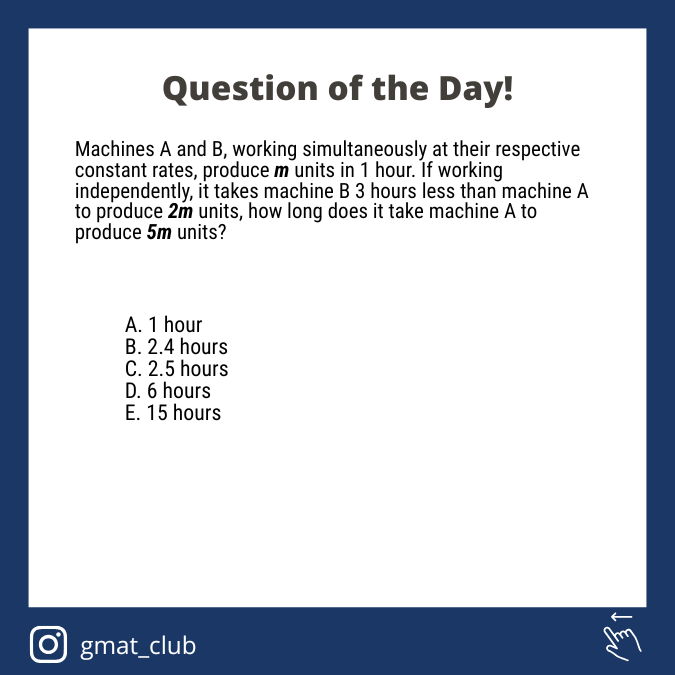
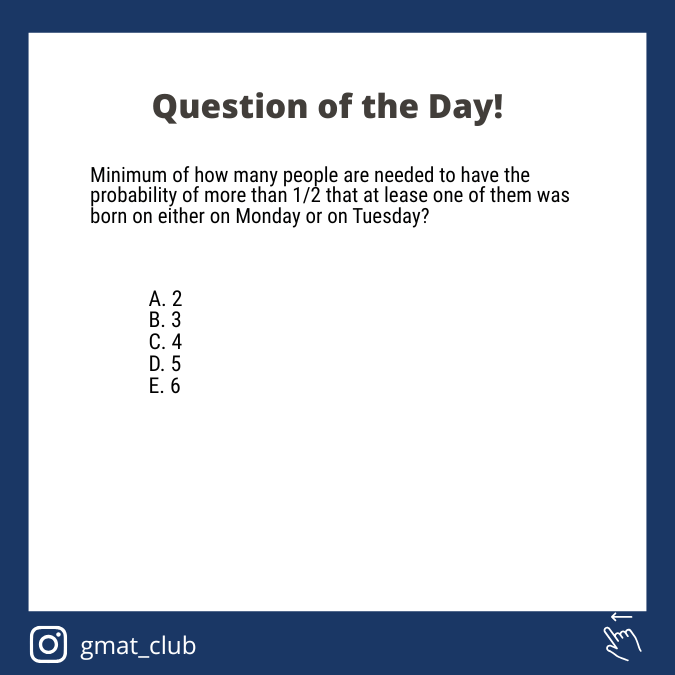
June 14th Quant Question of the Day
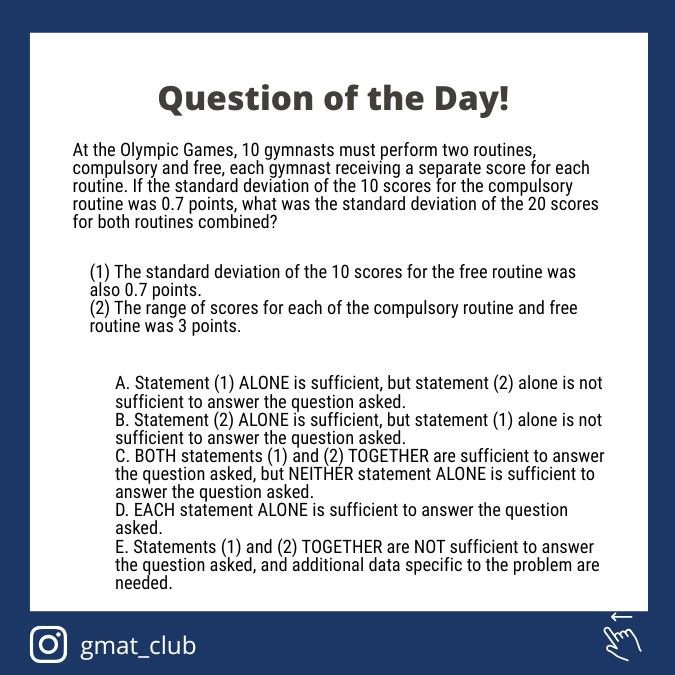
Answer and Explanation | Subscribe via E-mail, Forum, Instagram, or YouTube
Answer and Explanation | Subscribe via E-mail, Forum, Instagram, or YouTube
14 Jun 2026, 08:00
Kudos
Bookmarks
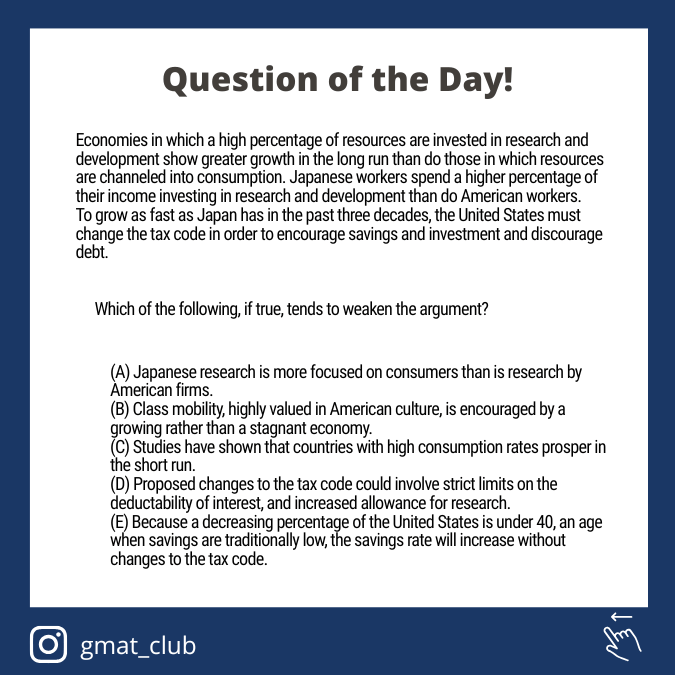
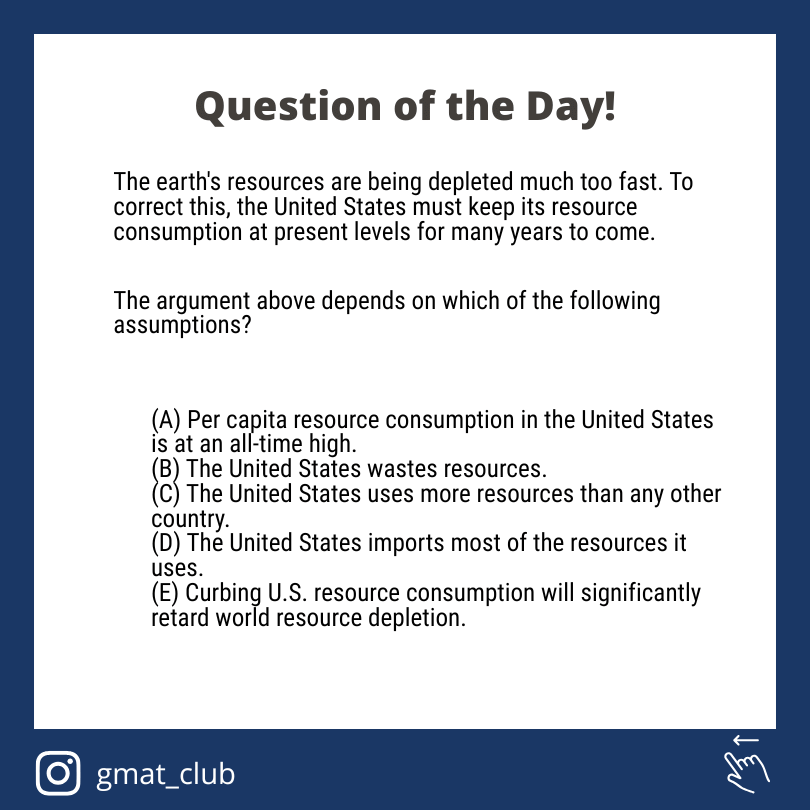
June 14th Verbal Question of the Day
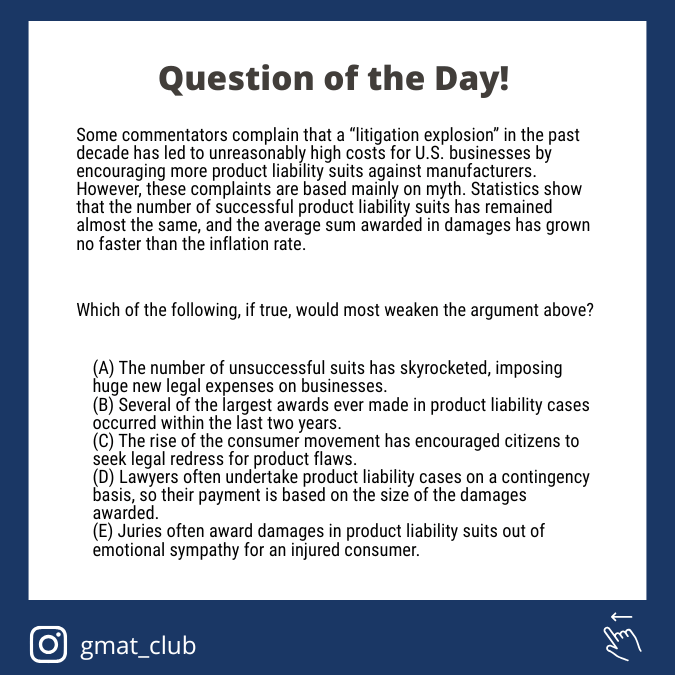
Answer and Explanation | Subscribe via E-mail, Forum, Instagram, or YouTube
Answer and Explanation | Subscribe via E-mail, Forum, Instagram, or YouTube