

 Sign in with Google
 Sign in with Apple

Congratulations! You've just received your MBA acceptance letter from your dream program.
But here's what many newly admitted students don't realize: The journey from acceptance to enrollment involves critical decisions that will shape your entire MBA experience.
Maybe you're facing multiple deposit deadlines before hearing back from all schools. Perhaps you haven't explored scholarship negotiation opportunities that could save you tens of thousands of dollars. Or you're unsure how to navigate background checks, visa processes, and housing arrangements in your new city.
With deposit deadlines as early as February and numerous logistical challenges to manage, poor planning during this transition period can derail your business school plans or leave money on the table.
The solution? A systematic approach to managing deposits strategically, maximizing scholarship funding, preparing for background verification, and handling all logistical arrangements that ensure you start your MBA on a solid footing. This comprehensive guide breaks down the essential steps you need to take after receiving your acceptance letter.
Understanding MBA Deposits and Strategic Timing
After months of preparation, you've been offered spots at one or more elite business schools. Now it's time to formalize agreements, and understanding how MBA deposits work is crucial.
To secure your spot in the incoming class, most US business schools require non-refundable deposits typically ranging from $1,000 to $3,000. For Round 1 applicants, deposits are often due sometime in February. For Round 2 applicants, deposits typically come due in late March or early April. Individual amounts and deadlines vary by school, so check your target schools' sites for specific information.
The major exception is European schools. At INSEAD, for example, the deposit exceeds €10,000. Other European schools similarly have much more sizable deposit amounts than US schools, so check with your target programs.

This timing creates potential complications. If you don't plan carefully, you might need to pay thousands of dollars to secure a spot at one school before hearing back from all the programs you applied to.
While it's excellent news if you get into your top choice program, complications arise if you've applied early to programs you're not fully committed to. That's why it's crucial to think carefully before deciding when to submit applications.
Ideally, you've already created an application strategy considering key deadlines. If not, now is the time to start planning for what you'll do if one school requires a sizable deposit before you've received responses from all applications.
Important note: Avoid declining an offer simply because you think you can reapply next year. Schools are generally reluctant to reconsider applicants who previously declined their offers. This significantly hurts your chances if you change your mind later.
Remember that many loan programs for international students won't cover deposit amounts. To prevent financial issues from derailing your business school plans, create a budget in advance, ensuring you have the necessary funds to make all required payments.
Special Situation: If you're waitlisted at one program and have a deposit deadline approaching at another school, it's acceptable to ask for a waitlist update before the deposit is due. However, keep in mind that schools aren't obligated to provide answers by your deadline. If you push too hard for updates, you risk receiving negative responses. Plan accordingly and decide if you're willing to pay a deposit at one school while remaining on the waitlist at another.
Maximizing Your Scholarship Through Negotiation
While attending elite business schools like Stanford can cost more than many applicants earn annually, numerous students pay full price without exploring scholarship options. However, with the right strategy and effort, you can often secure additional scholarship funds from schools that have accepted you.
Typically, you'll be notified about any scholarships you've been awarded shortly after your admission notification. At this point, the smartest move to increase your scholarship amount is to wait to see if you receive scholarship offers from other universities. These can be used as leverage.
Then, reach out to the financial aid and/or admissions office of the school that admitted you to start a conversation. Draft a courteous letter that clearly outlines why you deserve reconsideration for more scholarship funds.
Effective scholarship negotiation letters include:
Gratitude for admission and initial scholarship: Start by expressing genuine excitement about the program and appreciation for any funding already offered.
Competing offers with specific amounts: If you've received larger scholarships from peer programs, mention these respectfully. Be specific about amounts and which schools.
Unique value you bring: Remind them what makes you a compelling admit. Perhaps you'll contribute a unique perspective, fill a demographic gap, or bring specific industry expertise they seek.
Financial need context: If financial constraints genuinely impact your ability to attend, explain this professionally. Schools want admitted students to enroll.
Enthusiasm for their program specifically: Reiterate why this school is your top choice despite financial considerations. Schools don't want to increase funding for candidates who'll decline anyway.
Every year, candidates successfully negotiate their way to full or nearly full tuition scholarships using this approach. Don't hesitate to give scholarship negotiation a try. The worst-case scenario is they say no, leaving you in the same position. The best case? Tens of thousands of dollars in additional funding.
Financing Your MBA Degree
Beyond securing funds for deposits and maximizing scholarship offerings, you should begin taking steps to secure the funding you need to fully finance your degree.
If you're planning to pay out of pocket, research when tuition payments are due. If necessary, understand how you'll transfer money from your country of origin to your country of study. Given international regulations and ever-changing exchange rates, this can be more complex than you might imagine.
If you're planning to finance any part of your degree, begin researching your options and obtaining necessary quotes early. Interest rates, loan terms, and eligibility requirements vary dramatically across lenders.
If you have a co-signer willing to assume legal responsibility for your loan who is a citizen of the country where you plan to study, you might be able to access loan options directly through the school. These school-affiliated loans often have more favorable terms than private loans.

For international students studying in the US without US-based co-signers, several specialized lenders offer loans to MBA students, like MPower and Prodigy Finance. Research these options early since application processes can take weeks or months.
Navigating the Background Check Process
One of the most stressful parts of the application process for many admits is the post-admission background check. They immediately imagine investigators sifting through confidential documents, looking for reasons to pull admission offers.
The reality is that MBA programs simply need to ensure everything stated in your application is true and verifiable.
How the Process Works
Most MBA programs outsource background checks to companies like ReVera. These companies verify the information you provided in your application, including employment history, letters of recommendation, academic credentials, and extracurricular activities.
One of the most crucial checks is on your employment history. If you're employed by a Fortune 500 company with a well-organized HR department and you've been honest in your application, there should be no issues. These companies meticulously maintain employee records, making it easy to verify details like your salary as an intern and your promotion dates.
However, if you work for a company without an HR department or if you are self-employed, ensure you have all the necessary documentation to validate the details in your application.
For international applicants who need to submit salary information in US dollars, it's important to show your salary in local currency and explain the conversion rate used. In countries where currency exchange rates fluctuate significantly, you can document the exchange rate on the day of your application to justify the stated salary in dollars.
The background check might also cover your extracurricular activities. This can be more challenging for international applicants, as many organizations don't keep detailed records of participants.
In such cases, try to gather proof of your involvement or obtain references from organizations to confirm your participation. If you can't find documentation, it doesn't mean you should exclude this information from your application, but be prepared to potentially face challenges later.
Most importantly, ensure everything in your application is true and verifiable. The responsibility to prove your claims rests with you. If your records are non-traditional or complex, start gathering necessary evidence as soon as possible to support your application when needed.
What happens if discrepancies are found? Minor issues like slightly different job titles or dates off by a month usually don't cause problems if you can explain them. However, significant discrepancies like inflated salaries, fabricated roles, or false claims about degrees can result in admission offers being rescinded. Be honest from the start.
Essential Logistical Arrangements
Beyond financial and verification matters, several logistical arrangements require attention before you start your MBA.
Finding Housing in Your New City
Another major hurdle you'll encounter is finding housing in your new city.
Some schools, like Harvard Business School, offer on-campus housing options readily available to students. In fact, a large number of HBS students live on campus, creating built-in community.
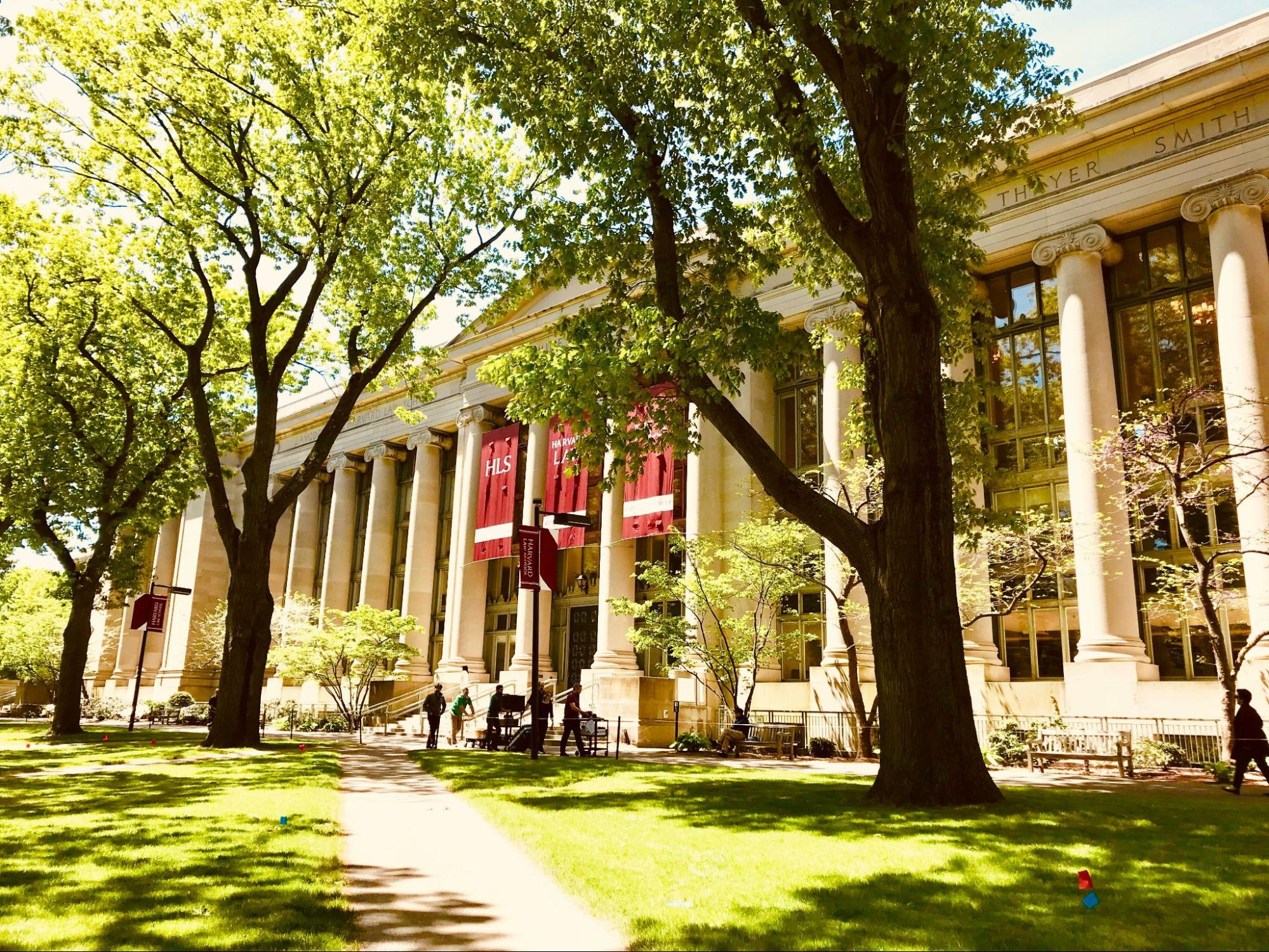
However, at many other institutions, students need to find and rent their own apartments. This adds extra challenges, as costs can be higher than expected and availability near campus can be limited.
Given the difficulty and often higher-than-expected costs of renting during your MBA, we recommend starting your housing search as soon as you receive your admission offer. Reach out to current students and alumni early on. While you may not finalize your rental agreement until you arrive, you'll at least have a solid strategy and understanding of local rental regulations.
Key housing tips:
Join student WhatsApp groups and online forums: People who recently went through the process or are also searching often have the best tips on neighborhoods, landlords to avoid, and hidden housing options.
Understand local rental customs: Some cities require substantial deposits, guarantors, or upfront payments for multiple months. Know what to expect.
Consider temporary housing: If you can't secure permanent housing before arriving, identify short-term options like sublets or extended stay hotels. This gives you time to find the right place in person.
Factor in commute times: Living farther from campus might save money but consider how commute times will impact your study schedule and ability to participate in evening events.
Research safety and amenities: Especially if you're unfamiliar with your new city, research neighborhood safety, grocery stores, public transportation access, and other daily necessities.
Navigating the Visa Process
If you're an international student, you'll also need to start the visa application process to ensure you have the necessary permission to enter and remain in your country of study.
If you plan to study in the US, you'll need to apply for an F1 visa if you don't already have a different visa allowing you to study and stay in the country. The F1 visa process involves obtaining an I-20 form from your school, paying SEVIS fees, scheduling and attending a visa interview at a US embassy or consulate, and providing extensive documentation about your finances and intent to return home after completing your degree.
In the UK, there are multiple different tiers of visas, so you must ensure which is most appropriate for you, given your study plans. The Student visa (formerly Tier 4) is most common for MBA students.
Regardless of which type of visa you need, universities will provide detailed instructions on applying for your visa. Make sure you read all emails the university sends and follow all instructions fully and quickly. Visa processes can take weeks or months, so start early.
If you ever have questions on specific elements of the visa application, get in touch directly with the university's international student office. They have extensive experience helping students navigate these processes.
Critical visa tips:
Start early: Some visa processes take months. Don't wait until the last minute.
Gather financial documentation: Most student visas require proof you can support yourself financially. This might include bank statements, scholarship letters, or sponsor affidavits.
Prepare for interviews: Some countries require in person visa interviews. Practice explaining your study plans and demonstrating intent to return home after graduation.
Check passport validity: Ensure your passport is valid for at least six months beyond your intended stay.
Your Next Chapter Begins Now
Moving forward is only possible when we step outside our comfort zones and pursue something greater. If you've just been admitted to an MBA program, you're on this path.
As you go through this transition of leaving your job and preparing for your MBA experience, take time to reflect upon the dedication, hard work, and perseverance that brought you here. After all, these are the traits and strengths that helped you achieve success and will see you through your MBA education.
Prepare for MBA Success with Strategic Guidance
The transition from acceptance to enrollment involves numerous critical decisions about deposits, scholarship negotiations, housing, visas, and financial planning. While you've succeeded in gaining admission, maximizing your MBA experience starts with making smart choices during this crucial period.
My Admit Coach provides AI-driven guidance on post-admission planning built on top admissions consultant Ellin Lolis’ proven methodology. Get strategic advice on whether to accept early offers or wait for other schools, how to craft effective scholarship negotiation letters that increase your funding, and much more.
Coach Ellin, available 24/7 in 31 languages, helps you think through deposit timing strategies, draft compelling scholarship negotiation letters, and create checklists ensuring you don't miss critical deadlines or arrangements during this busy transition period.
Ready to start your MBA journey on the right foot? Click here and use code GCBLOG30 for 30% off.
Your dream MBA is closer than you think.
